
Dr Ashok Kumar K
About Me
Dr Ashok Kumar K
MBBS
Cardiologist
10 Years Experience
Biography
My Clinic
OPD Hours
| Monday | Morning | 10:00 AM | - | 02:00 PM |
| Evening | 06:00 PM | - | 09:00 PM | |
| Tuesday | Morning | 10:00 AM | - | 02:00 PM |
| Evening | 06:00 PM | - | 09:00 PM | |
| Wednesday | Morning | 10:00 AM | - | 02:00 PM |
| Evening | 06:00 PM | - | 09:00 PM | |
| Thursday | Morning | 10:00 AM | - | 02:00 PM |
| Evening | 06:00 PM | - | 09:00 PM | |
| Friday | Morning | 10:00 AM | - | 02:00 PM |
| Evening | 06:00 PM | - | 09:00 PM | |
| Saturday | Morning | 10:00 AM | - | 02:00 PM |
| Evening | 06:00 PM | - | 09:00 PM | |
| Sunday | Morning | 10:00 AM | - | 02:00 PM |
| Evening | 06:00 PM | - | 09:00 PM |
Treatments
Specialised care and treatments offered
TRANSESOPHAGEAL ECHOCARDIOGRAPHY (TEE)

This specialized echocardiogram involves inserting an ultrasound probe down the esophagus which lies close behind the heart. It yields exceptionally clear images of cardiac structures not easily seen via standard transthoracic echocardiography, improving diagnosis accuracy especially in complex cases.
- Usage Scenarios: Useful when detailed views are needed for detecting valve diseases, clots inside chambers, infections like endocarditis, or congenital defects.
- Procedure Overview: Performed under mild sedation; probe placement may cause minor discomfort but provides superior image quality.
- Risks & Safety: It’s generally safe though there is a small risk of throat soreness or very rare complications such as esophageal injury.
- Benefit Summary: Enables targeted treatment plans based on precise visualization which might not be possible otherwise.
By offering detailed internal views unobtainable through other means, TEE serves as an invaluable tool complementing comprehensive cardiac evaluation protocols effectively.
PERCUTANEOUS CORONARY INTERVENTION (PCI)
This minimally invasive procedure aims to restore proper blood flow through narrowed coronary arteries caused by plaque buildup. Percutaneous Coronary Intervention (PCI), also known as angioplasty with stenting, significantly reduces symptoms like chest pain while improving heart function stability during daily activities.
- Indications: Used mainly for stable angina relief or acute coronary syndromes including certain types of heart attacks.
- Procedure Details: A catheter inserted through an artery in the wrist or groin guides balloons and stents to open blocked vessels without requiring open-heart surgery.
- Recovery: Patients usually stay briefly in hospital with rapid return to normal life post-procedure combined with medical management.
- Follow-up: Lifestyle changes along with medications are essential alongside periodic assessments for maintaining vessel patency.
PCI represents a cornerstone advancement emphasizing safety while minimizing patient discomfort compared to traditional surgical options for coronary artery disease treatment.
CARDIAC PACEMAKER IMPLANTATION
A pacemaker is a small device implanted under the skin to regulate abnormal heart rhythms by sending electrical impulses to stimulate proper heartbeats. This minimally invasive procedure greatly improves quality of life for many patients with arrhythmias causing slow heart rates or blockages in electrical conduction pathways.
- Candidacy: Indicated for bradycardia, certain types of heart block, or other rhythm disorders leading to fainting, fatigue, or breathlessness.
- Surgical Approach: The device is inserted through a small incision near the collarbone; leads are guided into the heart via veins using catheter techniques without open surgery.
- Anesthesia & Recovery: Usually performed under local anesthesia with sedation; most patients go home within one day or two after implantation.
- Lifestyle Impact: After recovery, patients can resume routine activities but should avoid strong magnetic fields and close contact sports.
The implantation of a pacemaker provides consistent cardiac pacing support that corrects dangerous slow rhythms safely and effectively over time with regular follow-up checks required for optimal device function monitoring.
AMBULATORY BLOOD PRESSURE MONITORING (ABPM)
Persistent high blood pressure significantly raises the risk of cardiovascular diseases. Ambulatory Blood Pressure Monitoring (ABPM) provides an accurate picture by measuring blood pressure over 24 hours during daily activities and sleep.
- Syndromes Detected: ABPM uncovers white coat hypertension and masked hypertension that office readings might miss.
- The Process: A cuff worn on the arm automatically records pressures frequently throughout day and night without disrupting normal routines.
- Disease Management: It enables personalized adjustment of antihypertensive medications based on true blood pressure patterns rather than isolated readings.
- The Advantages: Data from ABPM can predict risks better than single clinic measurements by assessing nocturnal dips and variability in pressure.
This diagnostic technique enhances precision in diagnosing and managing hypertension effectively, reducing long-term cardiovascular risk through tailored treatment plans.
STRESS ECHOCARDIOGRAPHY
Evaluating how the heart responds to stress helps identify areas of poor blood flow or muscle weakness. Stress echocardiography combines ultrasound imaging with controlled physical or pharmacological stress to observe cardiac performance under strain.
- Purpose: Detect coronary artery disease and assess exercise tolerance or symptoms like chest pain during exertion.
- Process: Ultrasound images are captured at rest and after induced stress via treadmill exercise or medication.
- Diagnosis: The test reveals wall motion abnormalities indicating insufficient blood supply to heart muscles.
- Treatment Decisions: Results inform interventions including medical therapy optimization or consideration for angioplasty.
- User Experience: The procedure is well-tolerated and typically completed within an hour on an outpatient basis.
This approach offers a safe, effective method for assessing cardiac function dynamically with real-time visualization capabilities.
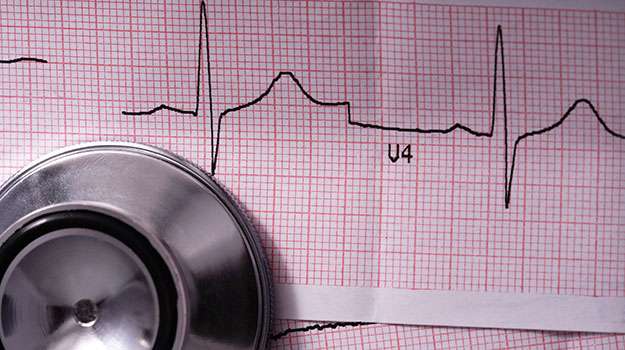
ELECTROCARDIOGRAM (ECG) MONITORING
Continuous monitoring of the heart's electrical activity is fundamental in diagnosing many cardiac conditions. Electrocardiogram (ECG) tests provide a non-invasive and straightforward way to assess heart rhythm and detect abnormalities.
- Indications: Patients experiencing palpitations, chest pain, dizziness, or unexplained fatigue often undergo ECG monitoring.
- Procedure: Small electrodes are attached to the skin to record electrical impulses from the heart over a period.
- Types: Resting ECG, ambulatory Holter monitoring (24-48 hours), and event recorders for intermittent symptoms.
- Benefits: Early identification of arrhythmias, ischemic changes, or conduction blocks with minimal discomfort.
- Outcomes: Results guide further investigations or treatments such as medication adjustments or lifestyle changes.
This simple diagnostic tool plays a critical role in cardiac care by offering valuable insights into heart function without invasive procedures.