
Dr Ashok Kumar Au
About Me
Dr Ashok Kumar Au
MBBS
General Physician
10 Years Experience
Biography
My Clinic
OPD Hours
| Monday | Morning | 10:00 AM | - | 02:00 PM |
| Evening | 06:00 PM | - | 09:00 PM | |
| Tuesday | Morning | 10:00 AM | - | 02:00 PM |
| Evening | 06:00 PM | - | 09:00 PM | |
| Wednesday | Morning | 10:00 AM | - | 02:00 PM |
| Evening | 06:00 PM | - | 09:00 PM | |
| Thursday | Morning | 10:00 AM | - | 02:00 PM |
| Evening | 06:00 PM | - | 09:00 PM | |
| Friday | Morning | 10:00 AM | - | 02:00 PM |
| Evening | 06:00 PM | - | 09:00 PM | |
| Saturday | Morning | 10:00 AM | - | 02:00 PM |
| Evening | 06:00 PM | - | 09:00 PM | |
| Sunday | Morning | 10:00 AM | - | 02:00 PM |
| Evening | 06:00 PM | - | 09:00 PM |
Treatments
Specialised care and treatments offered
GASTROENTERITIS TREATMENT
An inflammation of the stomach and intestines often caused by infections can result in uncomfortable digestive symptoms. Proper hydration and symptom management are important aspects of recovery.
ANEMIA EVALUATION AND MANAGEMENT

Anemia occurs when the body lacks adequate healthy red blood cells to carry sufficient oxygen. Identifying underlying causes allows effective treatment tailored to individual needs.
- Main symptoms & causes: Fatigue, pallor, shortness of breath; causes range from nutritional deficiencies to chronic diseases or blood loss.
- The diagnostic process involves :a complete blood count (CBC) test supplemented by iron studies or vitamin level assessments depending on suspected etiology.
OSTEOARTHRITIS CARE

This degenerative joint disease commonly presents with joint pain and stiffness especially among older adults. Managing symptoms helps enhance mobility and daily function.
- Causative factors & signs: Aging-related cartilage breakdown leads to joint discomfort mainly in knees, hips, hands; swelling may occur.
- How it’s diagnosed: Physical examination along with X-rays showing joint space narrowing confirm diagnosis.
- Treatment options include: Pain relief medications, physical therapy exercises aimed at strengthening muscles around affected joints.
- Lifestyle advice:Sustained weight control reduces joint stress; assistive devices may be recommended for mobility support.
An individualized plan focusing on symptom relief allows many people to maintain an active lifestyle despite osteoarthritis challenges.
ACUTE RESPIRATORY INFECTIONS
Acutely developing infections in the respiratory tract can affect individuals of all ages. Prompt recognition and care are essential for recovery and prevention of spread.
- Typical symptoms: Cough, sore throat, nasal congestion, fever; severity varies by infection type.
- Diagnosis process: Clinical examination supported by chest X-rays or lab tests if bacterial infection is suspected.
- Treatment approach: Mostly supportive care including hydration, rest; antibiotics used when bacterial cause is confirmed.
- Prevention tips: Good hygiene practices reduce transmission risk in families and communities.
Mild cases improve with home care, while severe symptoms require medical intervention to avoid complications like pneumonia.
TYPE 2 DIABETES MELLITUS
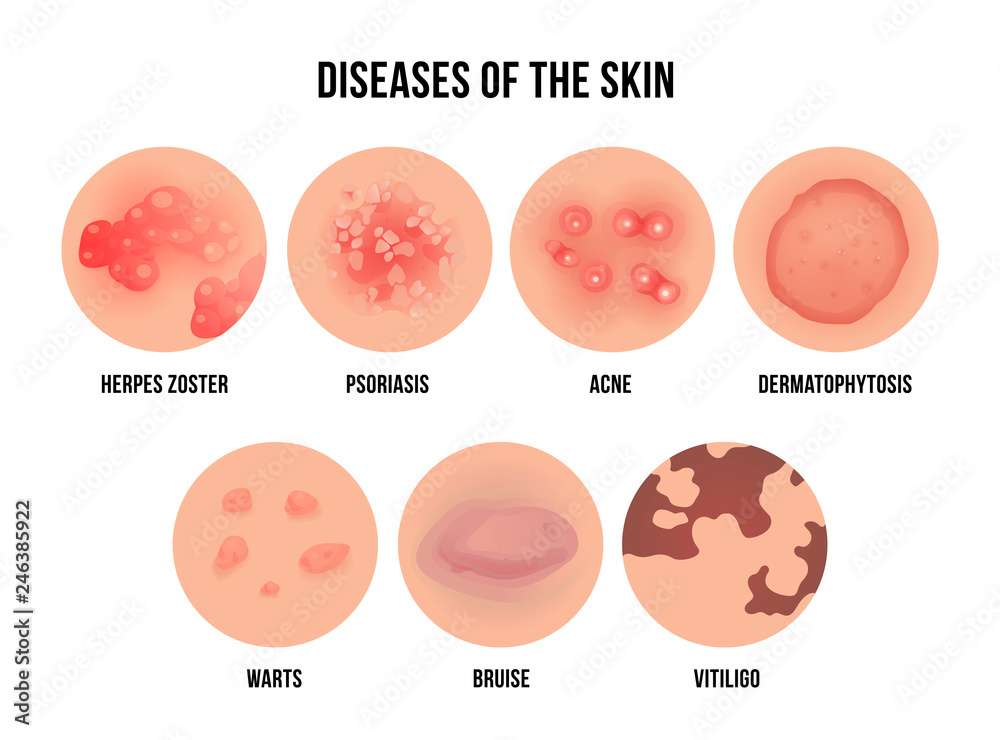
This condition affects how the body processes blood sugar, resulting in elevated glucose levels. Effective management is key to preventing long-term complications.
- Symptoms & causes: Includes increased thirst, frequent urination, fatigue; influenced by genetics, lifestyle, and weight factors.
- How it's diagnosed: Blood tests such as fasting glucose and HbA1c levels provide definitive diagnosis.
- Treatment strategies: Combines dietary control, regular physical activity, oral medications, or insulin therapy when necessary.
- Lifestyle impact: Patients must monitor their blood sugar routinely and adhere to medical advice for optimal control.
A comprehensive approach improves quality of life and lowers risks of complications like neuropathy or cardiovascular disease.
HYPERTENSION MANAGEMENT
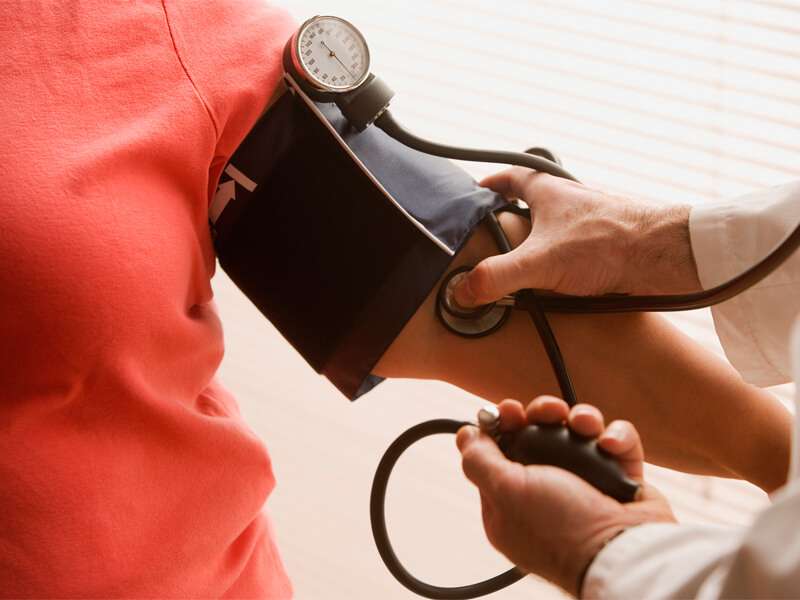
High blood pressure is a common health issue that can lead to serious complications if left unchecked. It often shows no symptoms but requires regular monitoring and lifestyle adjustments.
- Causes and symptoms: Often caused by genetic factors, obesity, or stress; many patients remain asymptomatic until complications arise.
- Diagnosis: Blood pressure readings over multiple visits confirm the condition; additional tests may evaluate organ impact.
- Treatment options: Lifestyle changes like diet and exercise combined with prescribed antihypertensive medications tailored to the patient's needs.
- Management: Regular follow-ups are critical to adjust treatment and prevent issues such as heart disease or stroke.
Understanding and controlling blood pressure helps maintain overall cardiovascular health and reduces risks significantly over time.