
Dr Ashok Gandhi
About Me
Dr Ashok Gandhi
MD
Cardiologist
10 Years Experience
Biography
My Clinic
OPD Hours
| Monday | Morning | 10:00 AM | - | 02:00 PM |
| Evening | 06:00 PM | - | 09:00 PM | |
| Tuesday | Morning | 10:00 AM | - | 02:00 PM |
| Evening | 06:00 PM | - | 09:00 PM | |
| Wednesday | Morning | 10:00 AM | - | 02:00 PM |
| Evening | 06:00 PM | - | 09:00 PM | |
| Thursday | Morning | 10:00 AM | - | 02:00 PM |
| Evening | 06:00 PM | - | 09:00 PM | |
| Friday | Morning | 10:00 AM | - | 02:00 PM |
| Evening | 06:00 PM | - | 09:00 PM | |
| Saturday | Morning | 10:00 AM | - | 02:00 PM |
| Evening | 06:00 PM | - | 09:00 PM | |
| Sunday | Morning | 10:00 AM | - | 02:00 PM |
| Evening | 06:00 PM | - | 09:00 PM |
Treatments
Specialised care and treatments offered
ARRHYTHMIA EVALUATION

The evaluation of arrhythmias involves diagnosing irregularities in the heartbeat which could affect overall cardiac function. Timely intervention is crucial for preventing complications related to these disorders.
- Symptoms : Palpitations , dizziness , fainting spells might indicate an underlying issue needing attention .
- Diagnosis : Monitoring can include Holter monitors , event recorders alongside ECG tests performed in-office .
- Treatment methods : Options range from lifestyle alterations utilizing particular anti-arrhythmia medications all within determining individual profiles carefully .
Your healthcare provider will recommend suitable therapies aligned directly towards improving rhythm control thus alleviating associated discomforts helping navigate daily life seamlessly again afterwards !
CORONARY ARTERY DISEASE MANAGEMENT
This condition occurs when the coronary arteries become narrowed or blocked due to plaque buildup. It's critical for managing one's cardiovascular health through diligent monitoring and treatment strategies.
- Symptoms : Chest pain (angina), shortness of breath during exertion, fatigue may present during advanced disease stages .
- Diagnosis : Typically involves reviewing symptoms , physical exam , stress testing , followed by imaging studies if necessary .
- Treatment options : Lifestyle changes , medication management including statins or antiplatelets plus possible surgical interventions such as angioplasty might be required .
Effective management leads towards improving quality life while minimizing risks associated with further coronary events .
HEART DISEASE RISK ASSESSMENT
A comprehensive risk assessment evaluates individual factors contributing to the likelihood of developing heart disease. This process plays a key role in preventive cardiology practices.
- Risk factors considered: Age, family history, smoking status, dietary habits, exercise level, and existing medical conditions like diabetes or hypertension are all evaluated.
- Screens used: This assessment may include blood tests for cholesterol and glucose levels along with lifestyle evaluations;
A detailed assessment helps in tailoring effective preventive measures tailored specifically for each patient’s unique profile thus enhancing their long-term health outlook
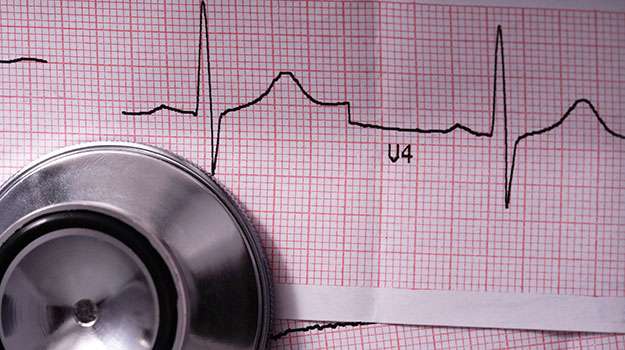
ELECTROCARDIOGRAM (ECG) TESTING
An electrocardiogram (ECG) is a simple and non-invasive test that records the heart's electrical activity. It provides important insights into heart rhythm problems and general heart health.
- Main uses: Helps detect arrhythmias, previous heart attacks, or other cardiac conditions based on electrical activity patterns.
- Procedure: Electrodes are placed on the skin to capture the heart’s electrical signals; it only takes a few minutes.
- No preparation required: Generally does not require any special preparation prior to the test.
An ECG is a vital tool in diagnosing potential cardiac issues early on so appropriate interventions can be implemented swiftly.
CHOLESTEROL SCREENING
Monitoring cholesterol levels is crucial for heart health as elevated cholesterol can lead to atherosclerosis and other cardiovascular problems. Regular screening helps in assessing your risks and taking preventive measures.
- Symptoms: High cholesterol typically shows no clear symptoms; hence, screening is key for early detection.
- Diagnosis: A simple blood test measures total cholesterol and its fractions (LDL, HDL, triglycerides).
- Treatment options: Dietary changes, increased physical activity, and medications like statins can effectively lower unhealthy cholesterol levels.
- Management: Ongoing lifestyle adjustments should be made alongside routine check-ups to keep cholesterol levels in check.
Taking steps to manage your cholesterol can significantly reduce your risk of heart disease and improve overall health outcomes.
HYPERTENSION MANAGEMENT
Hypertension, or high blood pressure, is a common condition that can lead to serious health issues if not managed effectively. It often goes undetected as it usually presents with no noticeable symptoms. Regular monitoring and proactive management are essential.
- Symptoms: Often asymptomatic; may include headaches, dizziness, or nosebleeds in some individuals.
- Diagnosis: Blood pressure readings taken during routine visits help determine hypertension; multiple readings may be necessary for an accurate diagnosis.
- Treatment options: Lifestyle modifications including diet and exercise; medications such as diuretics, ACE inhibitors, or beta-blockers depending on severity.
- Management: Regular follow-ups and self-monitoring at home are important for maintaining optimal blood pressure levels.
- What to expect: With adherence to treatment plans, many patients can manage their hypertension effectively and reduce the risk of complications.
Proactive management of hypertension can lead to improved overall health and reduced risk of cardiovascular diseases.