
Dr Ashish Purohit
About Me
Dr Ashish Purohit
MD
General Physician
25 Years Experience
Biography
My Clinic
OPD Hours
| Monday | Morning | 09:00 AM | ||
| Evening | 09:00 PM | |||
| Tuesday | Morning | 09:00 AM | ||
| Evening | 09:00 PM | |||
| Wednesday | Morning | 09:00 AM | ||
| Evening | 09:00 PM | |||
| Thursday | Morning | 09:00 AM | ||
| Evening | 09:00 PM | |||
| Friday | Morning | 09:00 AM | ||
| Evening | 09:00 PM |
Treatments
Specialised care and treatments offered
ALLERGY MANAGEMENT
An allergy occurs when the immune system overreacts to substances called allergens. These reactions can range from mild discomforts to life-threatening situations if left unaddressed. Proper management helps minimize exposure and mitigate impacts on daily life!
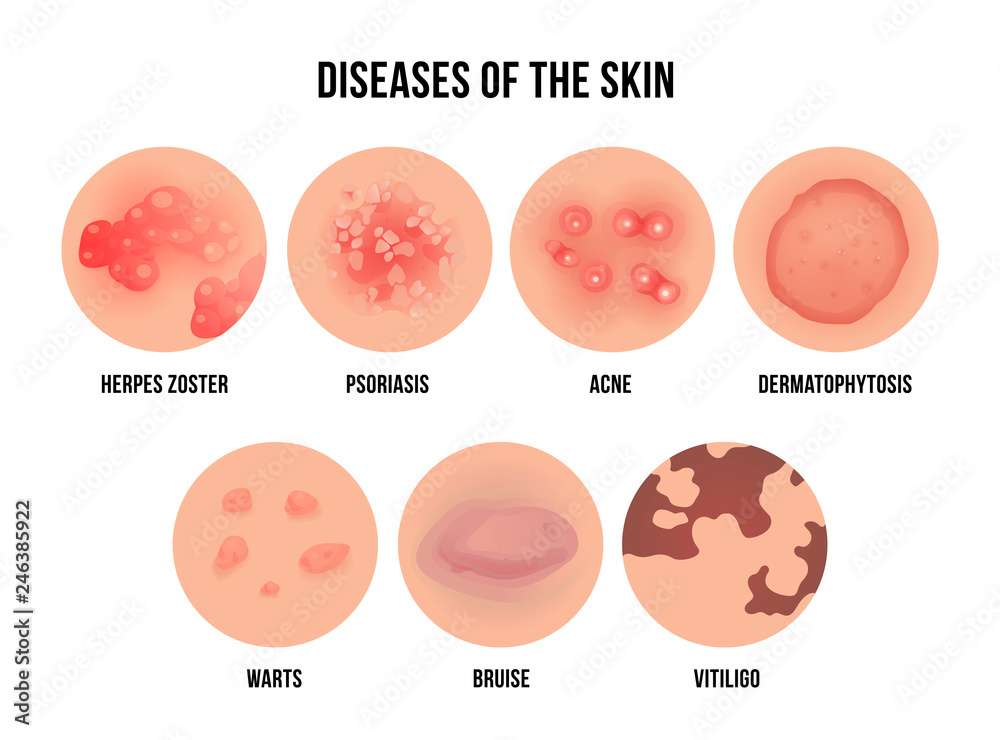
- Common Symptoms: Frequent sneezing, itchy eyes, asthma flare-ups and rashes might indicate allergies worsened by environmental triggers or specific foods.
- Causes: Allergens can be found in pollen, dust mites, pets’ dander, or certain foods. Genetic predisposition also plays a significant role .
- Diagnosis: Skin prick tests or blood tests like IgE allow identification of reactions against particular allergens.
- Treatment Options: These might involve antihistamines for acute relief a long-term avoidance plan alongside potential immunotherapy treatment.
By recognizing allergies promptly you benefit from effective solutions that improve quality-of-life significantly!
ANNUAL HEALTH CHECK-UP

An annual health check-up is foundational for maintaining good health as it allows for early detection of potential health issues before they become serious concerns.
- Purpose: This comprehensive evaluation typically includes blood tests, physical examinations, and reviews of personal medical history.
- Screens for Chronic Illnesses: Regular visits help identify risks for conditions like diabetes, hypertension, and high cholesterol.
- Lifestyle Assessment: Doctors assess dietary habits, sleep patterns, and exercise routines during these appointments.
- Mental Health Evaluation: Mental well-being should also be assessed regularly; discussions about stress and emotional problems can guide support options.
- Benefits: Frequent evaluations promote accountability toward healthier lifestyle choices, education regarding preventive care measures, and retention of critical screenings based on age.
IMMUNIZATION UPDATES
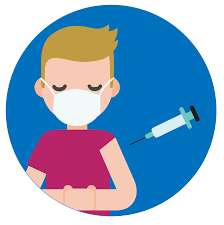
The importance of vaccinations cannot be underestimated. They protect against various infectious diseases and promote overall community health through herd immunity.
- Spectrum of Vaccines: Essential vaccines include those for influenza, hepatitis B, HPV, and seasonal flu among others based on age groups.
- Efficacy:This approach prevents serious illnesses that could lead to hospitalizations or long-term health issues later in life.
CHOLESTEROL LEVEL SCREENING
The assessment of cholesterol levels plays a crucial role in cardiovascular health. High cholesterol often presents without symptoms yet increases the risk of heart disease.
- Symptoms: There are typically no noticeable symptoms until severe issues arise; hence routine checks are recommended.
- Causes: Genetics, poor diet high in saturated fats, and physical inactivity are primary contributors to high cholesterol levels.
- Diagnosis: A simple blood test measures total cholesterol along with LDL (bad) and HDL (good) cholesterol levels.
- Treatment/Management: Treatment plans may involve lifestyle changes or medications like statins to lower unhealthy cholesterol levels effectively.
Acknowledging your cholesterol status can empower you to make informed decisions about your health and take preventive action against heart disease.
DIABETES SCREENING

Diabetes is a chronic condition characterized by elevated blood sugar levels. Early detection through screening is vital in preventing serious complications.
- Symptoms: Increased thirst, frequent urination, fatigue, and blurred vision are common indicators.
- Causes: Genetic predisposition, unhealthy eating habits, and sedentary lifestyle contribute to the onset of diabetes.
- Diagnosis: Blood tests such as fasting glucose or HbA1c are used to diagnose diabetes effectively.
- Treatment/Management: Management includes dietary changes, regular exercise, and medication if necessary to control blood sugar levels.
- What to Expect: Ongoing monitoring of blood glucose levels is important for effectively managing diabetes over time.
A proactive approach towards screening can lead to early intervention and better long-term health outcomes for individuals at risk of diabetes.
HYPERTENSION MANAGEMENT
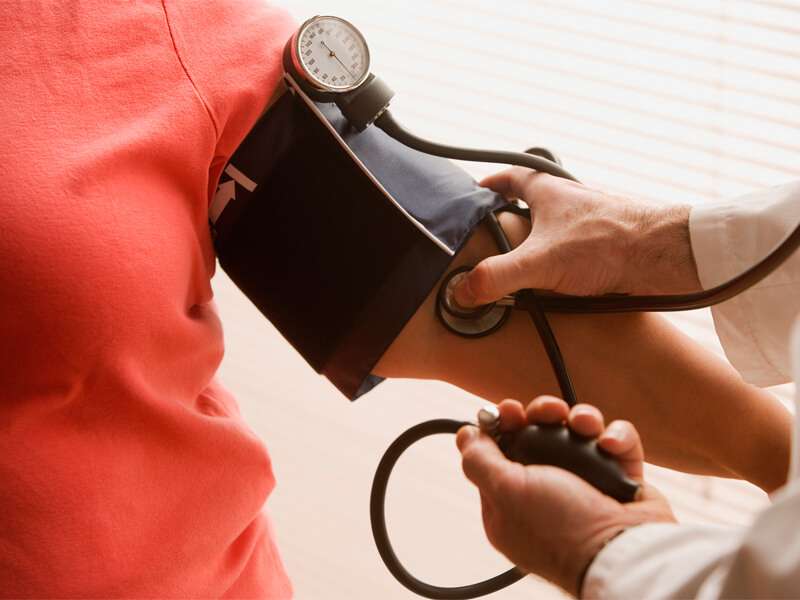
Hypertension, commonly known as high blood pressure, is a significant health concern that often goes unnoticed. It can lead to severe complications if not properly managed.
- Symptoms: Many individuals experience no symptoms; however, some may notice headaches or dizziness.
- Causes: Risk factors include obesity, lack of physical activity, smoking, and excessive alcohol consumption.
- Diagnosis: Blood pressure readings are taken during routine check-ups; further tests may be required for confirmation.
- Treatment/Management: Lifestyle modifications such as diet and exercise are crucial; medications may also be prescribed to maintain healthy blood pressure levels.
- What to Expect: Regular monitoring is essential for effective management and reduction of risks associated with hypertension.
Managing hypertension through education and lifestyle changes can significantly reduce the risk of cardiovascular diseases.