
Dr Ashish Mittal
About Me
Dr Ashish Mittal
MD
Dermatologist
10 Years Experience
Biography
My Clinic
OPD Hours
| Monday | Morning | 10:00 AM | - | 02:00 PM |
| Evening | 06:00 PM | - | 09:00 PM | |
| Tuesday | Morning | 10:00 AM | - | 02:00 PM |
| Evening | 06:00 PM | - | 09:00 PM | |
| Wednesday | Morning | 10:00 AM | - | 02:00 PM |
| Evening | 06:00 PM | - | 09:00 PM | |
| Thursday | Morning | 10:00 AM | - | 02:00 PM |
| Evening | 06:00 PM | - | 09:00 PM | |
| Friday | Morning | 10:00 AM | - | 02:00 PM |
| Evening | 06:00 PM | - | 09:00 PM | |
| Saturday | Morning | 10:00 AM | - | 02:00 PM |
| Evening | 06:00 PM | - | 09:00 PM | |
| Sunday | Morning | 10:00 AM | - | 02:00 PM |
| Evening | 06:00 PM | - | 09:00 PM |
Treatments
Specialised care and treatments offered
CONTACT DERMATITIS
This condition arises when skin reacts adversely upon contact with irritants or allergens causing inflammation resulting subsequently into redness & intense itching along potentially swelling too! Identifying triggers tends crucially help preventative measures taking place effectively moving forward thereafter!
- Symptoms: Common ones encompass burning sensations alongside noticeable rash developing mainly localized areas where exposure occurred initially itself !
- Causes: Two primary categories exist here - irritant contact dermatitis resulting from harsh chemicals/soaps whereas allergic types arise via reactions towards specific substances (like nickel). Being informed reduces risks later down line especially knowing personal sensitivities better now accordingly!
- Diagnosis: Healthcare providers will conduct assessments evaluating symptomatology correlating exposures reported accurately prior confirming diagnostic criteria established here broadly too during evaluations taking place afterwards just rightly!
- Treatment:
WARTS
A wart is a small growth caused by human papillomavirus (HPV) infection. While generally harmless, they can be bothersome due to their appearance or location. Awareness helps in making informed decisions about treatment options available for warts.
- Symptoms: Typically appears as rough-textured bumps that may have tiny black dots within them due to clotted blood vessels . Can develop anywhere including hands , feet , or genitals .
- Causes: HPV enters through abrasions in the skin leading eventually into these benign growths forming . More contagious than one might think ; direct contact facilitates spread .
- Diagnosis: Diagnosis entails physical examination where dermatologists check characteristics like size , shape , texture etc ., ruling out other conditions swiftly .
- Treatment: Various methods exist : cryotherapy (freezing) , salicylic acid application , laser therapy targeting blood supply effectively killing off wart tissue quickly while preserving surrounding healthy cells !
More importantly though ; patience required since some treatments might take time before full resolution achieved over weeks/months ! Regular follow-ups help ensure successful results throughout recovery journey ahead together!
SKIN CANCER SCREENING
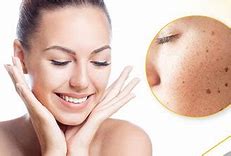
The importance of regular skin cancer screening cannot be overstated as early detection leads to more successful treatment outcomes. It involves examining moles or unusual growths on the skin carefully.
- Sensitivity signs: Look for asymmetry in moles or irregular borders; color variations are also significant warning signs of potential issues.
- Dermatological evaluation:This process includes a visual examination of the entire body surface including areas that are not routinely exposed to sunlight.
- Management options: If suspicious lesions are detected , biopsies might be conducted . Depending on results , treatments range from surgical removal to topical chemotherapy or radiotherapy .
- What happens next: Regular check-ups may be necessary post-treatment . Skin cancer risk can vary greatly among individuals ; continual monitoring remains crucial .
Maintaining awareness about your skin's health should always remain a priority . Please consult your dermatologist if any drastic changes occur .
ACNE
Acne is a prevalent skin disorder characterized by pimples, blackheads, and cysts primarily affecting teenagers but also adults. Understanding its causes and treatments is essential for effective management.
- Symptoms: Presents as comedones (blackheads/whiteheads), inflammatory lesions such as papules or pustules; they often appear on the face, back, and shoulders.
- Causes: Influenced by hormonal changes, excess oil production, clogged pores, bacteria, and inflammation.
- Diagnosis: Dermatologists assess acne based on visible signs during a thorough examination without needing extensive tests in most cases.
- Treatment: Options include topical retinoids, antibiotics for inflammation control, hormone therapy for women with hormonal acne, among others.
- What to expect: Improvement might take several weeks; adherence to treatment plans is vital for long-term results.
A personalized approach can greatly enhance outcomes and reduce the psychological impacts of this condition.
ECZEMA
Eczema is a common inflammatory skin condition that leads to dry, itchy patches of skin. It can affect anyone at any age but is particularly prevalent in children. Recognizing its symptoms early can help minimize discomfort.
- Symptoms: Includes persistent itching, redness, and dry patches; some individuals may also develop crusty sores from scratching.
- Causes: Factors like genetics, environmental triggers (e.g., dust mites or pollen), and stress can contribute to outbreaks.
- Diagnosis: Diagnosis involves clinical evaluation based on the appearance of the skin and discussion of personal history.
- Treatment: Management often involves moisturizing ointments, corticosteroids, and avoiding known irritants.
- What to expect: Eczema tends to fluctuate over time with possible flare-ups influenced by various triggers.
A comprehensive care plan can significantly improve quality of life for those affected by this condition.
PSORIASIS
Psoriasis is a chronic autoimmune condition characterized by red, scaly patches on the skin. It can vary in severity and may appear anywhere on the body. Understanding this condition is crucial to managing symptoms effectively.
- Symptoms: Often includes thickened, red skin, covered with silvery-white scales. These are commonly found on elbows, knees, and the scalp.
- Causes: The exact cause is unknown, but it is believed to be linked to genetic factors and immune system problems.
- Diagnosis: A dermatologist typically diagnoses psoriasis through physical examination and medical history.
- Treatment: Management options include topical treatments, phototherapy, and systemic medications depending on severity.
- What to expect: Psoriasis can be unpredictable; patients may experience flare-ups followed by periods of remission.
Effective management often requires a tailored approach that may involve lifestyle changes alongside medical treatment.