
Dr Ashish Jindal
About Me
Dr Ashish Jindal
MD
Dermatologist
10 Years Experience
Biography
My Clinic
OPD Hours
| Monday | Morning | 10:00 AM | - | 02:00 PM |
| Evening | 06:00 PM | - | 09:00 PM | |
| Tuesday | Morning | 10:00 AM | - | 02:00 PM |
| Evening | 06:00 PM | - | 09:00 PM | |
| Wednesday | Morning | 10:00 AM | - | 02:00 PM |
| Evening | 06:00 PM | - | 09:00 PM | |
| Thursday | Morning | 10:00 AM | - | 02:00 PM |
| Evening | 06:00 PM | - | 09:00 PM | |
| Friday | Morning | 10:00 AM | - | 02:00 PM |
| Evening | 06:00 PM | - | 09:00 PM | |
| Saturday | Morning | 10:00 AM | - | 02:00 PM |
| Evening | 06:00 PM | - | 09:00 PM | |
| Sunday | Morning | 10:00 AM | - | 02:00 PM |
| Evening | 06:00 PM | - | 09:00 PM |
Treatments
Specialised care and treatments offered
SKIN BIOPSY
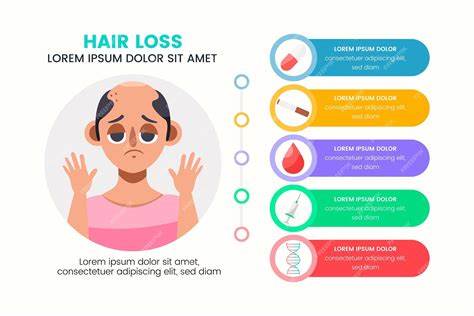
A skin biopsy involves removing a small sample of suspicious tissue for laboratory analysis. This accurate diagnostic tool helps determine whether lesions are benign or malignant by evaluating cellular characteristics under a microscope.
- Symptoms/Concerns: Patients may indicate concerns regarding unusual moles or persistent lesions that change in appearance—these warrant further investigation through biopsies carried out where indicated!
- Diagnosis Steps: Dermatologists will assess visual markers before deciding upon appropriate types including shave biopsies & excisional techniques based upon depth assessment needed!
- Treatment Process: Performed under local anesthesia ensuring comfort during extraction—the entire process lasts mere minutes depending upon lesion size/location!
Lab results usually return within days guiding future treatment decisions—it reassures patients facing uncertainties about their dermatological health significantly enhancing clinical management strategies going forward!
PLATELET-RICH PLASMA (PRP) THERAPY
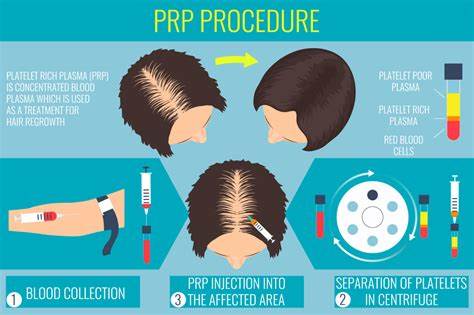
This regenerative medicine technique harnesses the body’s own healing properties by injecting platelet-rich plasma extracted from your blood into areas needing rejuvenation. It’s widely utilized in hair restoration and facial treatments to promote natural healing processes.
- Benefits: Patients often seek PRP therapy for hair thinning or loss as well as improving fine lines.
- Diagnosis: A comprehensive evaluation helps ascertain candidacy ensuring safety based on medical history regarding conditions affecting blood clotting.
- Treatment options: After drawing blood from a patient’s arm & processing it via centrifuge to obtain enriched platelets—this plasma is injected into targeted areas during sessions spaced weeks apart for optimal effect.
- Expectations: Though noticeable improvements take time (approximately three months), many enjoy enhanced volume & rejuvenated appearance post-treatment—making it a sought-after solution that's minimally invasive!
PRP therapy represents an exciting advancement leveraging natural biological components aiding skin & hair health effectively!
CRYOTHERAPY
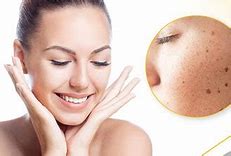
Cryotherapy is a method that uses extreme cold to treat various dermatological conditions by freezing abnormal tissue rapidly. It’s frequently employed for warts, actinic keratosis, and certain skin lesions.
- Symptoms: Indications for cryotherapy include visible growths or lesions that may be benign but bothersome to patients aesthetically or physically.
- Diagnosis: Dermatologists will assess the lesions visually; sometimes, additional testing might be needed if there’s concern about malignancy.
- Treatment options: The freezing agent is typically liquid nitrogen; it may be applied directly onto the lesion or via spray devices based on size and location
The procedure is brief—and while minor discomfort occurs—it quickly subsides. Post-treatment reactions often include redness or blistering but typically heal within weeks. This method provides effective results with minimal downtime.
CHEMICAL PEELS
Chemical peels are a popular dermatological procedure aimed at improving skin texture through exfoliation. Various chemicals are applied to remove damaged outer layers of skin and stimulate regeneration.
- Symptoms/Concerns: Individuals seek peels for concerns such as acne scars, uneven pigmentation, or signs of aging like fine lines.
- Diagnosis : A thorough skin evaluation will determine which type of peel—superficial, medium, or deep—is appropriate based on individual needs.
- Treatment options: Options include glycolic acid peels for mild effects and Trichloroacetic acid (TCA) for deeper intervention. Results improve progressively after multiple treatments.
- Expectations : Post-procedure redness and peeling are common but generally resolve quickly. The long-term benefits include smoother texture and more radiant complexion.
Chemical peels offer an effective solution in achieving healthier skin when performed safely by trained professionals.
LASER TATTOO REMOVAL
Laser tattoo removal utilizes specialized lasers to break down tattoo ink particles in the skin, allowing the body to gradually absorb and eliminate them. This procedure is known for its effectiveness and minimal side effects.
- Symptoms: The need for tattoo removal may arise from dissatisfaction with ink colors or designs, fading over time, or professional reasons.
- Diagnosis: A consultation is essential to assess the tattoo's age, color, depth, and type of ink used before proceeding with treatment.
- Treatment options: Treatments usually involve several sessions using Q-switched lasers that target pigments selectively and effectively.
- Expectations: Patients can expect some discomfort during treatment but quick recovery times; aftercare will minimize any potential side effects like blistering.
This innovative approach has transformed how tattoos are addressed, offering patients remarkable results.
MOHS MICROGRAPHIC SURGERY
This advanced surgical technique is primarily used to treat skin cancer, especially basal cell carcinoma and squamous cell carcinoma. The method allows precise removal of cancerous tissue while preserving as much healthy skin as possible.
- Symptoms: Common symptoms include a new growth on the skin, changes in existing moles, or non-healing sores.
- Diagnosis: Diagnosis typically involves a physical examination and may require a biopsy to assess the nature of the skin lesion.
- Treatment options: Mohs surgery involves removing the cancerous skin layer by layer and examining it for cancer cells until no further cancerous cells are detected.
- Expectations: Patients can expect minimal scarring and a high cure rate with this technique, making it an effective choice for particularly challenging skin cancers.
Mohs micrographic surgery is invaluable in ensuring complete removal of cancer while maximizing cosmetic outcomes.