
Dr Ashish Jain
About Me
Dr Ashish Jain
MBBS
General Physician
10 Years Experience
Biography
My Clinic
OPD Hours
| Monday | Morning | 10:00 AM | - | 02:00 PM |
| Evening | 06:00 PM | - | 09:00 PM | |
| Tuesday | Morning | 10:00 AM | - | 02:00 PM |
| Evening | 06:00 PM | - | 09:00 PM | |
| Wednesday | Morning | 10:00 AM | - | 02:00 PM |
| Evening | 06:00 PM | - | 09:00 PM | |
| Thursday | Morning | 10:00 AM | - | 02:00 PM |
| Evening | 06:00 PM | - | 09:00 PM | |
| Friday | Morning | 10:00 AM | - | 02:00 PM |
| Evening | 06:00 PM | - | 09:00 PM | |
| Saturday | Morning | 10:00 AM | - | 02:00 PM |
| Evening | 06:00 PM | - | 09:00 PM | |
| Sunday | Morning | 10:00 AM | - | 02:00 PM |
| Evening | 06:00 PM | - | 09:00 PM |
Treatments
Specialised care and treatments offered
ADULT VACCINATION SCHEDULE REVIEW
An adult vaccination review is crucial for updating immunizations that protect against various infectious diseases throughout adulthood. This preparation strengthens immune defense against potential exposures encountered over time within communities globally as well locally tailored recommendations apply too depending on age group risks involved therein each context necessarily considered carefully .
- Immunizations Included : Covers vaccines like tetanus boosters , pneumococcal shots , hepatitis vaccines , varicella (chickenpox) if no prior immunity recorded , HPV vaccine applicable mainly younger adults etc .
- Importance : Many illnesses formerly thought childhood-only now also threaten adults either freshly introduced strains emerging new variants making vigilance essential continuously .
- Scheduling : Timing varies according to past immunization history evaluated through medical records plus individual risk profiles assessed clinically enabling customized update planning specifically .
- Consultation Benefits : Physician guidance supports patient understanding importance while addressing concerns thus improving adherence ensuring maximum protective benefit achievable reliably repeat doses possible too when indicated
Staying current on vaccinations represents an integral element of adult preventive healthcare preserving wellness additionally helping reduce disease transmission across broader society segments effectively altogether .
CHOLESTEROL LEVEL MONITORING

Lipid profiling helps evaluate cholesterol levels in the body which are critical indicators for cardiovascular disease risk. Regular checks enable prompt identification of unhealthy lipid patterns requiring intervention.
- Main Lipids Tested: Total cholesterol, LDL (bad cholesterol), HDL (good cholesterol), and triglycerides are measured through a blood test after fasting conditions apply typically.
- Causative Factors for Dyslipidemia: Poor diet high in saturated fats, lack of exercise, smoking habits contribute significantly alongside genetic predisposition.
- Treatment Plans Include: Dietary adjustments reducing fatty foods intake; incorporation of physical activity; medication if warranted by physician analysis.
- Mild Symptoms Possible:
ROUTINE BODY MASS INDEX (BMI) ASSESSMENT
A regular BMI check provides insight into one's weight category relative to height and helps in identifying potential health risks linked to underweight or overweight status. It is a straightforward screening tool widely used in clinical practice.
- BMI Calculation: Determined by dividing weight in kilograms by the square of height in meters (kg/m²).
- Categorization: Classifies individuals as underweight, normal weight, overweight, or obese based on ranges established by health guidelines.
- Health Implications: Abnormal BMI values may correlate with increased risk for diseases like diabetes, cardiovascular disorders, and joint problems.
- Lifestyle Intervention Guidance: Based on assessment results, physicians recommend diet modifications and physical activity enhancements accordingly.
This simple yet informative measure aids in early detection of weight-related concerns facilitating timely management efforts for better health outcomes.
SEASONAL INFLUENZA VACCINATION
The flu vaccine is an essential preventive measure to protect against seasonal influenza viruses that cause widespread illness each year. Vaccination reduces severity and spread significantly.
- Why Vaccinate: Helps build immunity before flu season peaks, especially important for vulnerable groups like elderly or those with chronic conditions.
- Efficacy: Annual formulations target prevalent strains identified by health authorities worldwide.
- Administration: Typically given via injection or nasal spray during outpatient visits.
- Safety Profile: Side effects are usually mild; vaccination is generally safe for most people unless specific contraindications exist.
Pursuing timely immunization contributes greatly to personal health safety and community protection from influenza outbreaks.
DIABETES SCREENING AND PREVENTION

Early detection of diabetes is vital to prevent complications associated with high blood sugar levels. Screening assists in identifying individuals at risk or with undiagnosed diabetes.
- Risk Factors: Include obesity, sedentary lifestyle, family history, and age over 45 years.
- Screening Methods: Blood tests such as fasting glucose or HbA1c provide accurate assessments.
- Lifestyle Changes: Adopting balanced nutrition and physical activity can delay or prevent onset of type 2 diabetes.
- Treatment Strategies: For diagnosed cases, medications alongside lifestyle adjustments help manage glucose levels effectively.
Regular screenings empower patients to take proactive steps towards maintaining healthy blood sugar control.
HYPERTENSION MANAGEMENT
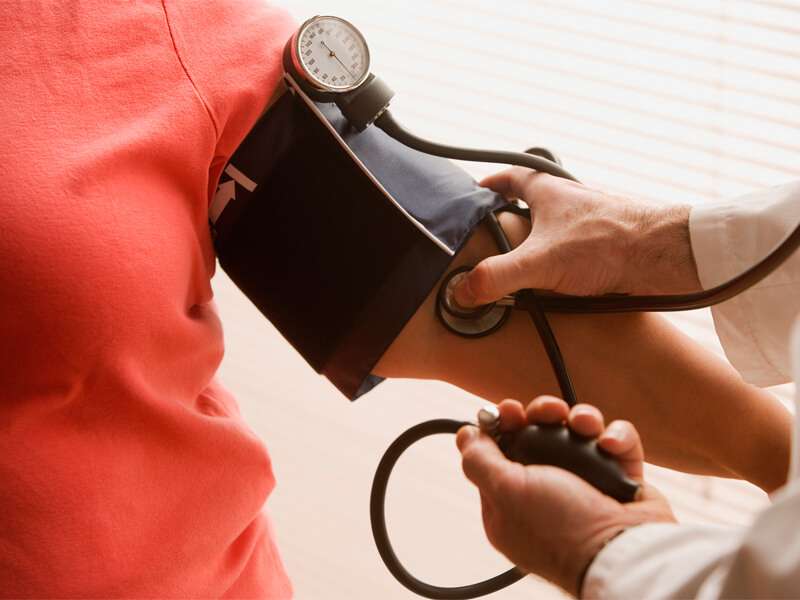
High blood pressure is a common health issue that can lead to serious complications if left uncontrolled. Understanding its causes and management can significantly improve overall well-being.
- Symptoms and Causes: Often called the 'silent killer,' hypertension may not show symptoms but can arise due to factors like stress, obesity, or genetics.
- Diagnosis: Regular monitoring of blood pressure readings and physical examinations help confirm the condition.
- Treatment Options: Lifestyle modifications such as diet changes, exercise, and prescribed medications play crucial roles in control.
- Monitoring: Continuous follow-up with healthcare providers ensures treatments are effective and adjusted as needed.
Consistent attention to blood pressure levels reduces risks of heart disease and stroke, promoting a healthier life.