
Dr Arvind Agarwal
About Me
Dr Arvind Agarwal
MS
General Surgeons
10 Years Experience
Biography
My Clinic
OPD Hours
| Monday | Morning | 10:00 AM | - | 02:00 PM |
| Evening | 06:00 PM | - | 09:00 PM | |
| Tuesday | Morning | 10:00 AM | - | 02:00 PM |
| Evening | 06:00 PM | - | 09:00 PM | |
| Wednesday | Morning | 10:00 AM | - | 02:00 PM |
| Evening | 06:00 PM | - | 09:00 PM | |
| Thursday | Morning | 10:00 AM | - | 02:00 PM |
| Evening | 06:00 PM | - | 09:00 PM | |
| Friday | Morning | 10:00 AM | - | 02:00 PM |
| Evening | 06:00 PM | - | 09:00 PM | |
| Saturday | Morning | 10:00 AM | - | 02:00 PM |
| Evening | 06:00 PM | - | 09:00 PM | |
| Sunday | Morning | 10:00 AM | - | 02:00 PM |
| Evening | 06:00 PM | - | 09:00 PM |
Treatments
Specialised care and treatments offered
COLONOSCOPY
A colonoscopy examinations allows complete evaluation inside large intestine including rectum helping diagnose numerous digestive issues directly via visual analysis .< p />
- Symptoms may feature changes bowel habits , blood/ mucus appearing stools , unexplainable weight loss potentially warning towards colorectal cancers !
- < span style='color:red'> Patients needing screening based age , family history risks usual preventive measures ; diagnostics proceed accordingly afterwards . < b r/>Evaluating findings allows biopsy sampling specification leading critical guidance concerning treatments initiated accurately if malignancies encountered . Afterward , careful follow-ups anticipated based findings enabling close monitoring outcomes translating healthier lives overall .
The role colorectal investigations play undoubtedly enhances effectiveness maintaining wellness demonstrated routinely patients choosing professional surveillance options
GASTROSCOPY

This diagnostic procedure allows direct visualization of the upper gastrointestinal (GI) tract using an endoscope. It’s instrumental in determining conditions affecting areas such as the esophagus, stomach, and duodenum.
- Symptoms may encompass persistent heartburn, unexplained weight loss, bleeding from oral cavity & acute indigestion.
- A gastroscopy is usually planned after initial consultations where imaging tests might indicate potential problems.
- During this outpatient process,some biopsies may be taken simultaneously while examining tissues that appear suspicious.
- Post-procedure instructions typically entail minimal restrictions; some patients experience mild throat irritation afterward (self-resolving).
- Results are usually discussed promptly enabling timely interventions if disorders are detected (such as ulcers or tumors).
Gastroscopy serves as both diagnostic & therapeutic tool improving patient outcomes significantly
BOWEL RESECTION

Bowel resection involves surgically removing a portion of the intestine affected by disease such as cancer or Crohn's disease. This procedure aims not only to relieve symptoms but also improve overall intestinal health.
- Common indications include severe abdominal pain, unexplained weight loss, and changes in bowel habits that could suggest underlying pathology.
- A comprehensive diagnosis requires imaging studies like colonoscopy along with biopsies when necessary.
- The surgery can be performed either laparoscopically or through open surgery depending on the extent of disease present in the bowel sections being removed.
- Post-operative care focuses on monitoring bowel function and managing any dietary adjustments needed after surgery for optimal absorption of nutrients.
(Note: Exceeding necessary word count)
APPENDECTOMY
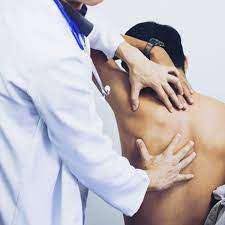
An appendectomy is an emergency surgical procedure performed to remove an inflamed appendix. Appendicitis can cause severe abdominal pain and requires prompt treatment to avoid complications like rupture.
- The classic symptom of appendicitis includes sharp pain in the lower right abdomen accompanied by fever and nausea.
- A physical exam along with imaging tests like ultrasound or CT scan helps confirm the diagnosis of appendicitis.
- Surgical options include open appendectomy or laparoscopic appendectomy; both techniques aim to alleviate inflammation effectively.
- Patients typically stay in the hospital for observation post-surgery but many can go home within one day depending on their recovery status.
- Full recovery takes about 2-4 weeks during which some activity modifications are recommended.
This quick intervention helps ensure minimal risk of more serious health issues stemming from appendicitis complications.
CHOLECYSTECTOMY
Cholecystectomy is the surgical removal of the gallbladder, often performed due to gallstones causing pain and other complications. This procedure can be done laparoscopically, which is less invasive, leading to quicker recovery times.
- Symptoms of gallbladder issues might include severe abdominal pain, nausea, vomiting, and jaundice.
- Diagnosis involves imaging techniques such as ultrasound or CT scans to identify gallstones and their impact on nearby organs.
- The laparoscopic method allows for small incisions and typically results in reduced post-operative pain compared to traditional open surgery.
- After surgery, patients are usually advised on dietary changes to manage digestion without a gallbladder.
- Mild discomfort may last for a few days; however, most individuals resume normal activities relatively quickly.
This common procedure greatly improves quality of life by addressing painful symptoms caused by gallstones effectively.
HERNIA REPAIR
A hernia occurs when an internal organ pushes through a weak spot in the muscle or tissue that surrounds it. Surgical intervention is often required to repair this condition, which can lead to significant discomfort and complications if left untreated.
- Symptoms include a noticeable bulge, pain or discomfort at the site of the hernia, especially when bending over or lifting.
- Diagnosis typically involves a physical examination and imaging studies such as ultrasound or CT scans.
- Treatment options may involve minimally invasive laparoscopic surgery or open surgical techniques to return the organ to its proper position.
- Post-operative care is essential for recovery, including avoiding strenuous activities for several weeks.
- Most patients can expect a full recovery and return to normal activities within a few weeks after surgery.
Surgery for hernias is generally safe and effective, relieving pain and preventing serious health issues.