
Dr Arup Majumder
About Me
Dr Arup Majumder
MBBS
Oncologist
10 Years Experience
Biography
My Clinic
OPD Hours
| Monday | Morning | 10:00 AM | - | 02:00 PM |
| Evening | 06:00 PM | - | 09:00 PM | |
| Tuesday | Morning | 10:00 AM | - | 02:00 PM |
| Evening | 06:00 PM | - | 09:00 PM | |
| Wednesday | Morning | 10:00 AM | - | 02:00 PM |
| Evening | 06:00 PM | - | 09:00 PM | |
| Thursday | Morning | 10:00 AM | - | 02:00 PM |
| Evening | 06:00 PM | - | 09:00 PM | |
| Friday | Morning | 10:00 AM | - | 02:00 PM |
| Evening | 06:00 PM | - | 09:00 PM | |
| Saturday | Morning | 10:00 AM | - | 02:00 PM |
| Evening | 06:00 PM | - | 09:00 PM | |
| Sunday | Morning | 10:00 AM | - | 02:00 PM |
| Evening | 06:00 PM | - | 09:00 PM |
Treatments
Specialised care and treatments offered
PALLIATIVE CARE IN ONCOLOGY
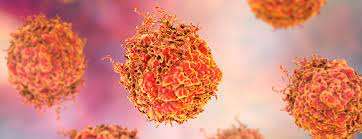
Palliative care focuses on improving quality of life for patients living with serious cancers by managing symptoms alongside curative treatments or when cure is not achievable.
- Symptom relief: Addresses pain , nausea , fatigue , breathlessness , depression among other concerns .
- Holistic approach: Includes physical comfort , emotional support , spiritual counseling if desired .
- Multidisciplinary team: Physicians , nurses , social workers collaborate closely to tailor interventions .
- Timing: Can begin at diagnosis & continue throughout illness trajectory alongside active oncology therapies .
Early integration of palliative care helps patients maintain dignity & control during challenging illness journeys .
MOLECULAR TUMOR PROFILING
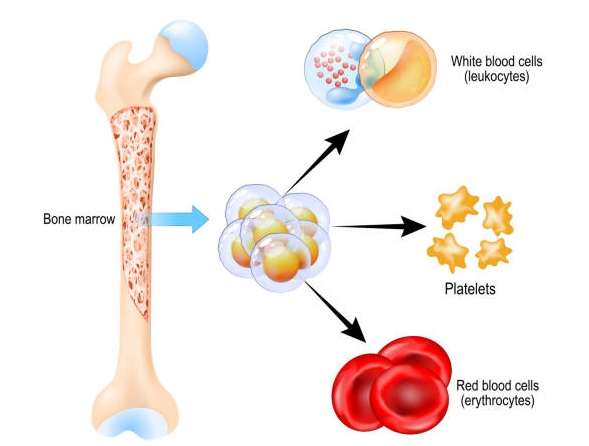
Molecular profiling analyzes genetic mutations within tumors providing insight into personalized cancer treatments. It represents a step forward towards precision oncology approaches.
RADIATION THERAPY PLANNING

The use of ionizing radiation aims at destroying cancerous cells while sparing healthy tissue. Careful planning enhances effectiveness and reduces complications during treatment.
- Treatment rationale: Precisely targeted radiation damages DNA within tumor cells inhibiting their growth or killing them outright.
- The planning process involves: Simulation scans like CT to map anatomy exactly before delivery begins.
- Dose determination: Calculated based on tumor type, location, and overall health status of the patient.
- Treatment sessions: Typically given over several weeks in daily fractions to allow normal tissues time to recover.
IMAGING TECHNIQUES IN ONCOLOGY
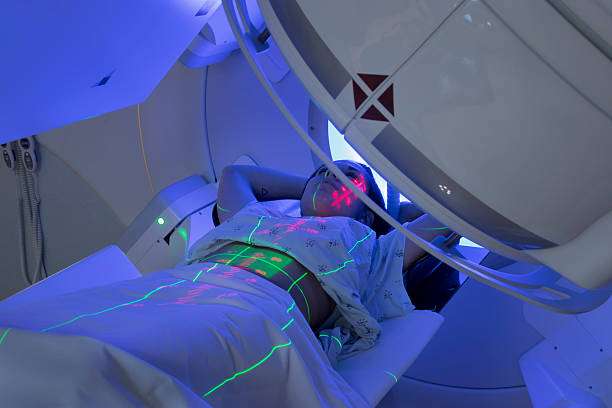
Cancer diagnosis and treatment rely heavily on advanced imaging methods. These scans provide detailed views of tumors and help monitor therapeutic progress.
- Pivotal role of imaging: Detects tumor size, location, and spread precisely.
- Main modalities used: Includes CT scans, MRI, PET scans, each with unique benefits depending on the clinical scenario.
- Safety aspects: Most are non-invasive with minimal risk; contrast agents may occasionally be used for clarity.
- Treatment planning aid: Imaging guides biopsies, radiation therapy targeting, and surgical approaches accurately.
This technology forms the backbone of modern oncologic assessment for comprehensive patient care management.
CHEMOTHERAPY MANAGEMENT
Chemotherapy uses drugs to destroy cancer cells and is a foundational approach in oncology treatment. It requires careful planning and monitoring to maximize benefits and minimize side effects.
- Understanding chemotherapy: Medications target rapidly dividing cells throughout the body.
- Treatment administration: Delivered intravenously or orally on scheduled cycles tailored to cancer type and stage.
- Side effect management: Common issues include nausea, fatigue, hair loss; supportive care helps alleviate these symptoms.
- Monitoring response: Regular blood tests and imaging assess effectiveness during therapy.
- Long-term considerations: Follow-up ensures detection of remission or recurrence early on.
With appropriate management, chemotherapy can effectively control disease while maintaining patient quality of life.
BIOPSY FOR CANCER DIAGNOSIS
When cancer is suspected, obtaining a tissue sample through biopsy is essential for an accurate diagnosis. This procedure helps determine the presence and type of cancer.
- Symptoms and causes: Unexplained lumps, abnormal imaging findings, or suspicious lesions often lead to the decision to perform a biopsy.
- Diagnostic process: A needle or surgical approach collects tissue, which is then examined microscopically by a pathologist.
- Treatment implications: Results guide treatment plans including surgery, chemotherapy, or radiation.
- Procedure details: Biopsies are generally safe but may require local anesthesia; recovery varies by method.
- Follow-up expectations: Patients typically receive results within days to weeks to inform next steps.
This procedure is a cornerstone in confirming cancer and ensuring personalized treatment strategies are accurately tailored.