
Dr Arun Sharma
About Me
Dr Arun Sharma
MD
Radiologist
10 Years Experience
Biography
My Clinic
OPD Hours
| Monday | Morning | 10:00 AM | - | 02:00 PM |
| Evening | 06:00 PM | - | 09:00 PM | |
| Tuesday | Morning | 10:00 AM | - | 02:00 PM |
| Evening | 06:00 PM | - | 09:00 PM | |
| Wednesday | Morning | 10:00 AM | - | 02:00 PM |
| Evening | 06:00 PM | - | 09:00 PM | |
| Thursday | Morning | 10:00 AM | - | 02:00 PM |
| Evening | 06:00 PM | - | 09:00 PM | |
| Friday | Morning | 10:00 AM | - | 02:00 PM |
| Evening | 06:00 PM | - | 09:00 PM | |
| Saturday | Morning | 10:00 AM | - | 02:00 PM |
| Evening | 06:00 PM | - | 09:00 PM | |
| Sunday | Morning | 10:00 AM | - | 02:00 PM |
| Evening | 06:00 PM | - | 09:00 PM |
Services
Specialised care and treatments offered
BONE DENSITY TESTING (DEXA)
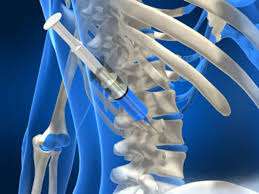
The DEXA scan assesses bone mineral density through low-dose X-Ray technology. Ideal for monitoring osteoporosis risk factors in individuals particularly over 50 years old or those with certain diseases affecting bone health。
- Symptoms : Often indicated when there’s a family history related directly correlated with developing osteoporosis predisposing conditions involving age-related fragility 。
- Diagnosis : This non-invasive test entails lying still while two beams measure bone density levels across key regions such as spine hips wrists ; taking approximately ten minutes overall .
- Treatment Options : As per recommendations derived post-analysis undertaken frequently revolve around lifestyle alterations like nutrition exercise supplementation protocols implemented independently rather than resorting exclusively towards prescription medications 。
- Expectations : Most participants find it straightforward offering fast outcomes alongside quick discussions about maintaining calcium phosphorus intake subsequently promoting stronger structural integrity within skeletal frameworks before seeking further clinical advice if required。'
FLUOROSCOPY
This dynamic imaging technique allows real-time visualization of bodily functions using continuous X-ray technology. Fluoroscopy is particularly valuable for examining motion within various organ systems like gastrointestinal tract evaluations.
- Symptoms : Indications might involve swallowing difficulties or gastrointestinal reflux disorders requiring detailed examination over time .
- Diagnosis : During this test , contrast materials are often ingested by patients while videos showcasing their anatomical function are recorded .
- Treatment Management : Findings from fluoroscopy influence treatment pathways including dietary modifications , medications , or guided interventions depending upon results captured during observation .
- Expectations : Although exposure guidelines ensure safety , conversations prior about potential risks enhance comfort levels surrounding such tests .
Fluoroscopy stands out among advanced diagnostics providing critical insights into how various systems interact dynamically , aiding clinical decision – making effectively .
X-RAY IMAGING

X-ray imaging employs ionizing radiation to produce pictures of the inside of the body. It serves as one of the most fundamental tools for diagnosing fractures and detecting disease processes impacting tissues and bones.
- Symptoms: Common reasons for X-rays include assessing fractures, arthritis conditions, or respiratory issues such as pneumonia.
- Diagnosis: The process generally takes only a few minutes; patients stand or sit near an X-ray machine as images are taken with minimal exposure time.
As one of the most widely available diagnostic tools available today , X – rays remain crucial in providing timely insight into patient health without needing extensive procedures .
CT SCAN

A CT scan combines X-ray images taken from different angles and uses computer processing to create cross-sectional images of bones and soft tissues. It provides comprehensive views useful in diagnosing complex conditions.
- Symptoms: This scan may be recommended for individuals experiencing severe injuries, cancer monitoring, or unexplained internal discomforts.
- Diagnosis: During the procedure, patients lie on a table as the CT scanner rotates around them to capture multiple images rapidly.
- Treatment Management: Depending on the findings, further treatments could include watchful waiting or conservative management with lifestyle modifications.
- Expectations: Most patients find CT scans quick; however, some may experience mild discomfort from contrast agents if used.
The versatility of CT scans ensures thorough evaluation while minimizing unnecessary surgical interventions whenever possible.
MRI SCAN

The MRI scan is a sophisticated imaging modality that uses magnetic fields and radio waves to generate detailed images of organs and tissues inside the body. It is instrumental in diagnosing various conditions.
- Symptoms: Patients may undergo MRI scans if they experience persistent headaches, joint pain, or neurological symptoms.
- Diagnosis: The scan typically lasts between 15-60 minutes, where patients lie still within a tube-shaped machine.
- Treatment Options: Based on results, management might include physical therapy, medications, or additional imaging tests rather than surgery.
- Expectations: Though the process may feel confining, it is usually safe with minimal discomfort involved.
MRI scans are crucial for obtaining high-quality images that aid healthcare professionals in forming an accurate diagnosis without unnecessary interventions.
ULTRASOUND IMAGING

Ultrasound imaging is a non-invasive procedure that utilizes high-frequency sound waves to create images of the body’s internal structures. It is commonly used for evaluating organs and soft tissues.
- Symptoms: Ultrasound is often employed to investigate symptoms like abdominal pain, swelling, or any unexplained conditions.
- Diagnosis: The procedure involves placing a gel on the skin and using a transducer to capture images of the area in question.
- Treatment Management: While ultrasound itself is diagnostic, findings can help guide further treatment options like medication or lifestyle changes.
- Expectations: The process is generally quick, painless, and does not require special preparation.
This imaging technique plays a crucial role in modern diagnostics, helping provide clarity on various health issues without the need for invasive procedures.