
Dr Arun Sharma
About Me
Dr Arun Sharma
MS
Orthopaedic Surgeons
10 Years Experience
Biography
My Clinic
OPD Hours
| Monday | Morning | 10:00 AM | - | 02:00 PM |
| Evening | 06:00 PM | - | 09:00 PM | |
| Tuesday | Morning | 10:00 AM | - | 02:00 PM |
| Evening | 06:00 PM | - | 09:00 PM | |
| Wednesday | Morning | 10:00 AM | - | 02:00 PM |
| Evening | 06:00 PM | - | 09:00 PM | |
| Thursday | Morning | 10:00 AM | - | 02:00 PM |
| Evening | 06:00 PM | - | 09:00 PM | |
| Friday | Morning | 10:00 AM | - | 02:00 PM |
| Evening | 06:00 PM | - | 09:00 PM | |
| Saturday | Morning | 10:00 AM | - | 02:00 PM |
| Evening | 06:00 PM | - | 09:00 PM | |
| Sunday | Morning | 10:00 AM | - | 02:00 PM |
| Evening | 06:00 PM | - | 09:00 PM |
Treatments
Specialised care and treatments offered
OSTEOPOROSIS SCREENING
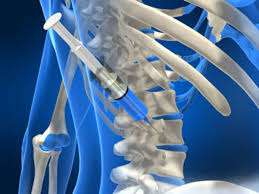
Osteoporosis is characterized by decreased bone density leading to increased fracture risk. Routine screening plays a key role in early detection which enables timely preventative measures against its progression.
- Symptoms are often minimal until fractures occur; however signs may progressively manifest as loss of height or curvature in posture over time due weak bones.
- Diagnosis consists primarily of dual-energy X-ray absorptiometry (DEXA) scans used measure bone mineral density (BMD) .
- Management includes calcium/vitamin D supplementation , lifestyle adjustments , weight-bearing exercises along pharmacological interventions tailored according severity assessed .
- Individuals diagnosed with osteoporosis must actively engage follow-up appointments ensuring sustained attention towards maintaining optimal bone integrity throughout later stages life .
Actively participating preventive screenings empowers individuals safeguard against debilitating fractures arising from osteoporosis .
TENDONITIS SOLUTIONS
Tendonitis refers to inflammation of a tendon commonly resulting from overuse. It affects people engaging in repetitive motions often leading to discomfort during daily activities or sports participation.
- Main symptoms include localized pain near the affected tendon that intensifies with movement as well as stiffness after periods of inactivity.
- A healthcare provider will diagnose tendonitis through patient history evaluation followed by physical examination and possibly imaging if required for ruling out other conditions.
- Treatment options generally encompass rest modalities combined with ice application; more advanced cases may necessitate corticosteroid injections or even surgery in persistent scenarios where other treatments fail.
- Pain management becomes essential alongside gradual reintroduction into activity; patients should expect guidance on modifying their routines accordingly during recovery periods.
An informed approach towards tendonitis promotes quicker healing while safeguarding against recurrence in active individuals.
PREVENTIVE JOINT CARE

Preventive joint care focuses on maintaining optimal joint health through various strategies. This approach aims to ward off conditions such as arthritis or injuries before they occur.
- Key factors influencing joint health include age-related changes, previous injuries, genetics, and lifestyle choices involving diet and exercise.
- Certain diagnostic assessments may help establish individual risk factors related to joint degeneration or injury probability.
- Treatment strategies might involve customized exercise regimens designed to strengthen nearby muscles while increasing flexibility around the joints alongside nutritional guidance emphasizing anti-inflammatory foods.
- Caring for your joints proactively provides long-term benefits such as improved mobility and reduced discomfort as you age.
A commitment to preventive care can lead to enduring wellness and enhanced life quality over time.
SPORTS INJURIES TREATMENT

Sports injuries encompass a range of injuries sustained while participating in athletic activities. These injuries often affect muscles, tendons, and ligaments associated with high physical demands.
- Symptoms include sharp pain during activity, swelling or bruising around joints or muscles, and restricted motion.
- A thorough assessment usually includes physical exams along with MRI or ultrasound imaging for soft tissue evaluation.
- Treatment revolves around rest and rehabilitation programs that may feature physical therapy alongside anti-inflammatory medications for pain relief.
- A gradual return-to-sport protocol is critical; patients should anticipate receiving tailored advice on optimizing their performance post-recovery.
Timely treatment helps athletes return safely to their sport while minimizing risk for future injuries.
FRACTURE CARE

A fracture is a break in the bone that can range from a hairline crack to a complete break. Understanding how to care for fractures is essential for effective healing.
- Common signs include sudden pain, swelling at the injury site, bruising, or inability to use the affected limb.
- Diagnosis is often confirmed through imaging tests like X-rays or CT scans that reveal the extent of the damage.
- Treatment may involve immobilization with casts or splints, pain management strategies, and sometimes surgical repair depending on fracture severity.
- The healing process requires monitoring; patients can expect follow-up visits to ensure proper recovery and rehabilitation.
A proactive approach to fractures leads to better recovery outcomes and restored function.
ARTHRITIS MANAGEMENT

Arthritis is an inflammation of the joints that can lead to chronic pain and disability. There are various forms, including osteoarthritis and rheumatoid arthritis, making it crucial to understand the specific type affecting you.
- Symptoms may include joint pain, swelling, stiffness, and decreased range of motion.
- Diagnosis typically involves a physical examination, imaging tests such as X-rays or MRIs, and blood tests to identify inflammatory markers.
- Treatment options range from anti-inflammatory medications to physical therapy, Lifestyle modifications, and in severe cases, surgical interventions like joint replacement.
- Patients can expect an individualized plan focusing on both managing symptoms and improving joint function.
Early intervention can significantly enhance the quality of life for those suffering from arthritis.