
DR Arun Kumar
About Me
DR Arun Kumar
MS
Orthopaedic Surgeons
10 Years Experience
Biography
My Clinic
OPD Hours
| Monday | Morning | 10:00 AM | - | 02:00 PM |
| Evening | 06:00 PM | - | 09:00 PM | |
| Tuesday | Morning | 10:00 AM | - | 02:00 PM |
| Evening | 06:00 PM | - | 09:00 PM | |
| Wednesday | Morning | 10:00 AM | - | 02:00 PM |
| Evening | 06:00 PM | - | 09:00 PM | |
| Thursday | Morning | 10:00 AM | - | 02:00 PM |
| Evening | 06:00 PM | - | 09:00 PM | |
| Friday | Morning | 10:00 AM | - | 02:00 PM |
| Evening | 06:00 PM | - | 09:00 PM | |
| Saturday | Morning | 10:00 AM | - | 02:00 PM |
| Evening | 06:00 PM | - | 09:00 PM | |
| Sunday | Morning | 10:00 AM | - | 02:00 PM |
| Evening | 06:00 PM | - | 09:00 PM |
Treatments
Specialised care and treatments offered
KNEE OSTEOTOMY
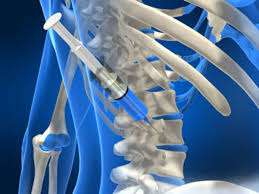
Knee osteotomy is a surgical procedure utilized primarily for correcting abnormal knee alignment resulting from arthritis or biomechanical imbalances that contribute toward discomfort during movement. It aims to redistribute weight-bearing forces across healthy areas of cartilage in knees thus relieving pain effectively postoperatively!
- Symptoms manifest as persistent knee pain worsening with activity accompanied by swelling around knee regions leading potentially toward limited range movement capabilities.
- The process concerning diagnosing necessitates comprehensive assessments involving X-ray images; MRI follow-ups might provide further clarity assessing articular surface integrity ultimately aiding decision making beneficial aligned corrective procedures intended thereafter!
- Post-surgical rehabilitation becomes pivotal emphasizing gradual progression into strengthening routines under physiotherapy guidance ensuring successful recoveries returning day-to-day activities swiftly.
- Many patients report improved functionality alongside experiencing substantial reductions within discomfort levels following recovery completion.
Knee osteotomy serves as a viable option particularly targeting those individuals dealing chronic issues offering new lease life enhancing mobility opportunities effectively!
SHOULDER IMPINGEMENT
Shoulder impingement occurs when shoulder tendons become irritated due to inflammation caused by repetitive overhead motions. This leads to painful restrictions in shoulder movement which can hinder daily tasks very quickly.
- Pain typically manifests during raising arms overhead or engaging in lifting activities; patients may also experience weakness when reaching backward or up toward high objects.
- Differential diagnosis may require physical examinations combined with MRI imaging, specifically targeting soft tissue structures around the shoulder joint area for comprehensive evaluation outcomes.
- Conservative management employs medications alongside tailored physical therapy routines aimed at improving flexibility while building surrounding muscle stability.
- Surgical intervention might be indicated depending upon individual circumstances especially if conservative care fails after several months; this often involves arthroscopic decompression of impinging structures.
Seeking prompt assessment allows physicians better opportunities focusing timely rehabilitation protocols improving quality life after therapy completion!
CARPAL TUNNEL SYNDROME

This condition occurs when pressure on the median nerve within the wrist causes symptoms affecting hand function. It's common among individuals performing repetitive wrist movements but can also arise from other health issues.
- Main symptoms include tingling sensations, numbness in fingers (especially at night), weakening grip strength, and pain radiating up the arm.
- A definitive diagnosis can be made through a combination of clinical evaluation and nerve conduction studies.
- Treatments vary from conservative methods like wrist splints during sleep to corticosteroid injections for reducing inflammation within the carpal tunnel area.
- Surgery might be necessary if conservative treatments fail; this procedure releases tension on the median nerve effectively restoring sensation and strength over time.
If you suspect carpal tunnel syndrome, early intervention can significantly enhance long-term outcomes regarding hand functionality!
TENDON INJURIES

Tendon injuries can significantly impact daily activities. These injuries occur when tendons—connective tissues that attach muscles to bones—become strained or torn due to overuse or acute trauma.
- Pain near the tendon area is common along with swelling and difficulty moving the associated joint freely.
- A thorough examination including imaging techniques, like MRI or ultrasound scans, helps confirm tendon injuries' diagnosis.
- Treatment focuses on rest and immobilization; physical therapy may be recommended for strengthening surrounding muscles gradually.
- Surgical repair could be necessary for complete tears depending on severity and functional requirements of the involved tendon.
- Post-recovery exercises are fundamental in regaining full mobility without recurrent injuries.
An effective recovery plan tailored by your healthcare provider fosters healing while preventing further complications down the line.
FRACTURE REPAIR

Fractures occur when bones break due to trauma or stress. Repairing these fractures accurately is vital for optimal recovery and function. Understanding the type of fracture helps determine the appropriate treatment approach.
- Common symptoms include sudden pain at the site of injury, swelling, bruising, and an inability to use the affected limb normally.
- A healthcare provider will typically perform X-rays or CT scans to diagnose the fracture type and extent of injury.
- Treatment may involve immobilization with casts or splints for stable fractures, while surgical intervention is required for complex breaks.
- Pain management and rehabilitation exercises play significant roles in recovery post-treatment.
- The healing time varies based on age, fracture location, and type; following medical advice ensures optimal healing.
Your doctor will guide you through tailored rehabilitation strategies following fracture repair to regain strength and mobility.
OSTEOARTHRITIS

Osteoarthritis is a degenerative joint disease that often affects older adults, although it can occur in younger individuals as well. It involves the gradual breakdown of cartilage, leading to pain and stiffness in the affected joints.
- Symptoms include joint pain, swelling, decreased range of motion, and a grating sensation during movement.
- The condition is usually diagnosed through physical exams, patient history, and imaging tests such as X-rays or MRIs to assess joint damage.
- Treatment options may involve pain management through medication, physical therapy, lifestyle changes, or joint injections.
- In severe cases, surgical options like arthroscopy or joint replacement may be considered to relieve symptoms and restore function.
- Patients are advised to maintain a healthy weight and engage in low-impact exercises to support joint health.
If you experience joint discomfort or limitations in mobility, seeking medical advice early can help manage osteoarthritis effectively.