
Dr Arti Vyas Joshi
About Me
Dr Arti Vyas Joshi
BHMS
General Physician
20 Years Experience
Biography
My Clinic
OPD Hours
| Monday | Morning | 09:00 AM | ||
| Evening | 09:00 PM | |||
| Tuesday | Morning | 09:00 AM | ||
| Evening | 09:00 PM | |||
| Wednesday | Morning | 09:00 AM | ||
| Evening | 09:00 PM | |||
| Thursday | Morning | 09:00 AM | ||
| Evening | 09:00 PM | |||
| Friday | Morning | 09:00 AM | ||
| Evening | 09:00 PM |
Treatments
Specialised care and treatments offered
SEASONAL ALLERGIES
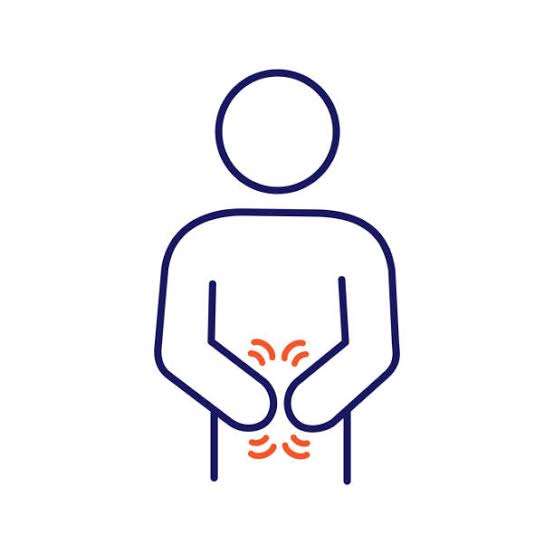
Seasonal allergies occur due to environmental allergens such as pollen from trees grasses weeds triggering allergic reactions among sensitive populations! Awareness regarding this condition empowers individuals seeking relief strategies!
- < lili typeof)}Common Symptoms include sneezing itchy watery eyes nasal congestion hives skin irritations headaches.
THYROID DISORDERS

Thyroid disorders occur when the thyroid gland fails to produce adequate hormones or produces an excess amount leading to various metabolic issues. Understanding these conditions helps facilitate effective management!
- }Common Symptoms: Weight fluctuations energy level alterations temperature sensitivity mood swings depression unexplainable fatigue
GASTROESOPHAGEAL REFLUX DISEASE (GERD)

GERD is a chronic digestive condition where stomach acid flows back into the esophagus causing irritation. Understanding GERD helps in managing its symptoms effectively!
}Common Symptoms: Heartburn after meals; regurgitation; difficulty swallowing; persistent cough; sore throat.This condition often manifests during pregnancy due to hormonal changes affecting digestion}
UPPER RESPIRATORY TRACT INFECTION
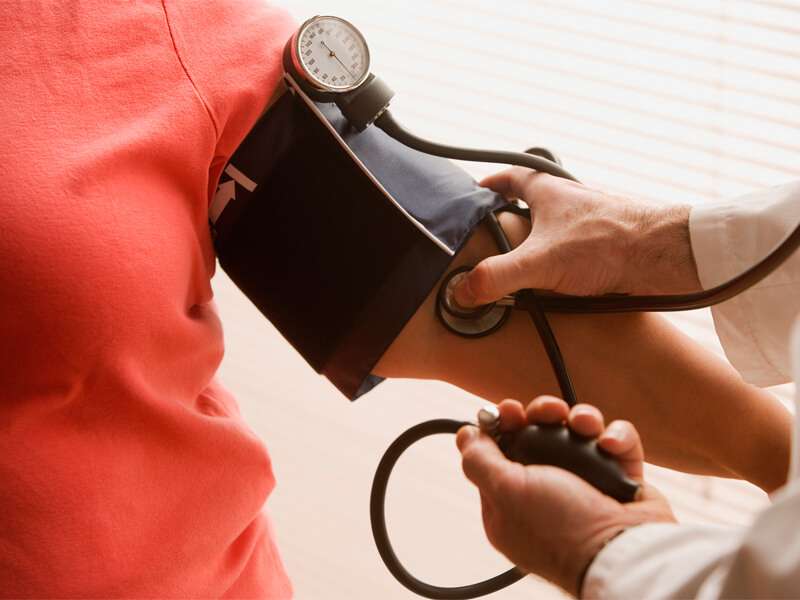
An upper respiratory tract infection (URTI) refers to infections in the nose or throat area. These infections typically arise due to viruses but can also be bacterial.
- Symptoms: Patients often experience sore throat, runny nose, cough, body aches, fever, and fatigue.
- Causes: This condition is primarily caused by viral agents like rhinovirus or influenza. Transmission occurs through respiratory droplets from coughing or sneezing.
- Diagnosis: Healthcare professionals usually diagnose URTIs based on clinical symptoms; however, throat cultures may help identify bacterial causes if needed.
DIABETES MANAGEMENT
Diabetes is a chronic disease characterized by high levels of sugar (glucose) in the blood. Proper management is crucial for maintaining health and preventing complications.
- Symptoms: Common signs include frequent urination, excessive thirst, fatigue, and blurred vision.
- Causes: The main types include Type 1 diabetes caused by autoimmune destruction of insulin-producing cells; Type 2 diabetes is associated with lifestyle factors like obesity and inactivity.
- Diagnosis: Blood tests measuring glucose levels are employed for diagnosis. A fasting plasma glucose test or an HbA1c test are commonly used.
- Treatment: Management strategies involve dietary changes, regular exercise, monitoring blood sugar levels, and medication when necessary. Insulin therapy may be required for Type 1 diabetes patients.
- What to Expect: Ongoing education about self-management and regular medical check-ups are vital for leading a healthy life with diabetes.
A well-structured approach aids in living well with diabetes while minimizing potential complications.
HYPERTENSION
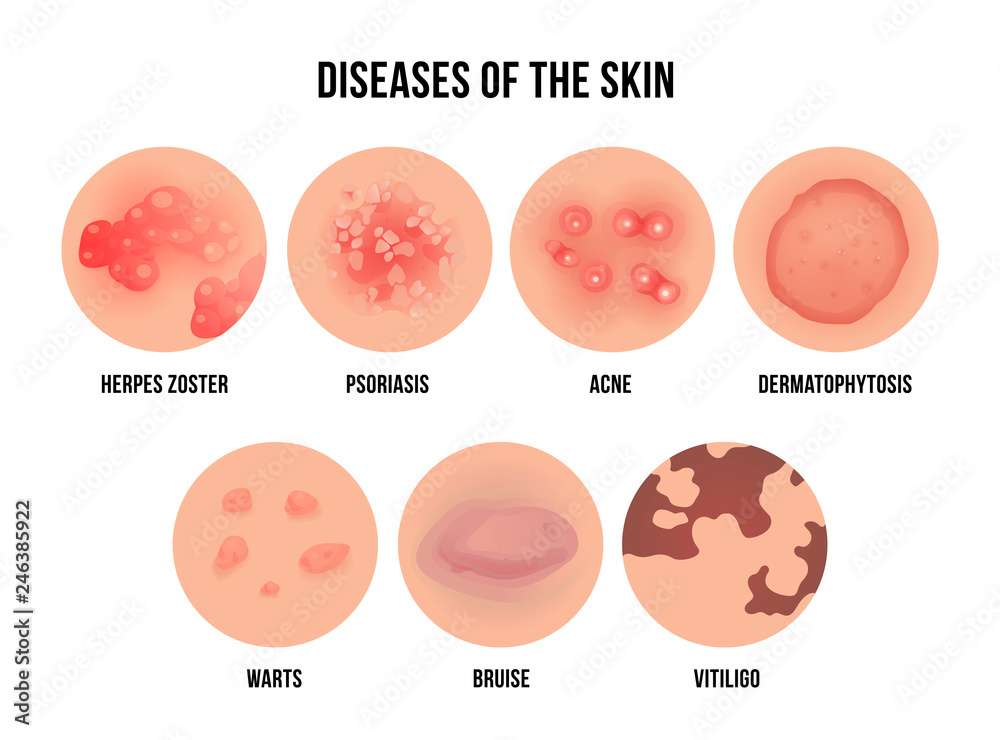
Hypertension, commonly known as high blood pressure, is a condition where the force of blood against the artery walls is consistently too high. This can lead to severe health complications over time if left untreated.
- Symptoms: Often referred to as a silent killer, hypertension may show no symptoms initially but can lead to headaches, shortness of breath, or nosebleeds in advanced cases.
- Causes: Factors contributing to hypertension include genetics, poor diet, lack of physical activity, and chronic stress.
- Diagnosis: Monitoring blood pressure readings regularly through sphygmomanometry is crucial. Additional tests may be conducted to find any underlying conditions affecting blood pressure.
- Treatment: Management often includes lifestyle changes such as diet modifications and exercise. In some cases, medications like diuretics or ACE inhibitors may be prescribed.
- What to Expect: Regular follow-ups are essential to ensure that blood pressure levels remain in a healthy range, reducing the risk of heart disease and stroke.
Timely intervention can effectively manage hypertension and promote long-term health.