
Dr Aroras Clini
About Me
Dr Aroras Clini
MBBS
Cardiologist
10 Years Experience
Biography
My Clinic
OPD Hours
| Monday | Morning | 10:00 AM | - | 02:00 PM |
| Evening | 06:00 PM | - | 09:00 PM | |
| Tuesday | Morning | 10:00 AM | - | 02:00 PM |
| Evening | 06:00 PM | - | 09:00 PM | |
| Wednesday | Morning | 10:00 AM | - | 02:00 PM |
| Evening | 06:00 PM | - | 09:00 PM | |
| Thursday | Morning | 10:00 AM | - | 02:00 PM |
| Evening | 06:00 PM | - | 09:00 PM | |
| Friday | Morning | 10:00 AM | - | 02:00 PM |
| Evening | 06:00 PM | - | 09:00 PM | |
| Saturday | Morning | 10:00 AM | - | 02:00 PM |
| Evening | 06:00 PM | - | 09:00 PM | |
| Sunday | Morning | 10:00 AM | - | 02:00 PM |
| Evening | 06:00 PM | - | 09:00 PM |
Treatments
Specialised care and treatments offered
ELECTROPHYSIOLOGY STUDY (EPS)

An Electrophysiology Study is an advanced test used to evaluate the electrical system of the heart by mapping abnormal rhythms responsible for arrhythmias. It helps guide precise treatment options such as ablation therapy if indicated.
- Causative factors/symptoms leading here:Your doctor may recommend EPS if you have unexplained fainting spells, palpitations, or documented arrhythmias resistant to medication therapy.
- The diagnostic technique involves: Inserting specialized catheters through veins into the heart chambers under local anesthesia to record electrical activity directly from inside the heart.
- Treatment decisions : This study defines locations causing arrhythmias which can sometimes be treated simultaneously using catheter ablation.
- Patient expectations : Though invasive, EPS is usually well tolerated with minimal discomfort under sedation.
The ability of EPS to precisely diagnose complex rhythm disturbances makes it invaluable in managing certain cardiac arrhythmia cases effectively and safely.
AMBULATORY BLOOD PRESSURE MONITORING
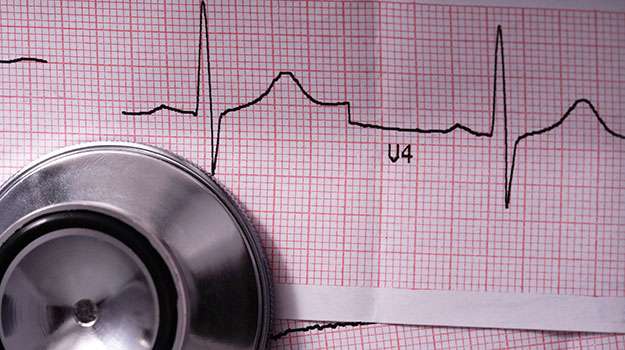
This diagnostic tool measures blood pressure at regular intervals over 24 hours during normal daily activities and sleep. It provides a more accurate representation than single office measurements alone.
- Pertinent symptoms/indications: Useful when white-coat hypertension is suspected or when evaluating resistant hypertension cases needing careful management adjustments.
- The process involved: A cuff attached to your arm records readings periodically via a small portable device you wear throughout the day and night.
The comprehensive data assists physicians in tailoring antihypertensive treatment plans effectively, improving long-term cardiovascular outcomes safely and reliably.
STRESS TESTING (TREADMILL TEST)
A stress test measures how your heart performs under physical exertion. It's instrumental in identifying underlying coronary artery disease that may not be apparent at rest.
- Sensitivity & symptoms: Ideal for evaluating chest pain or shortness of breath triggered by exercise or daily activities.
- The procedure: You walk on a treadmill with gradually increasing intensity while heart rate, blood pressure, and ECG are monitored closely.
- Treatment implications: Helps determine if ischemia occurs with exertion guiding therapy choices like medications or interventions.
This test yields essential information about heart function during stress and can aid early detection of cardiovascular problems before they worsen significantly.
ECHOCARDIOGRAPHY
Echocardiography utilizes ultrasound waves to create live images of the heart, aiding in comprehensive evaluation of cardiac structure and function without invasive procedures.
- Clinical indications: Used for assessing valve diseases, cardiomyopathies, congenital defects, and pericardial abnormalities.
- Diagnostic process: Involves placing a transducer on the chest wall to generate real-time heart visuals.
- Treatment planning: Results inform management approaches such as medical therapy or surgical referral when necessary.
- User preparation: Non-invasive and painless with no special preparation needed in most cases.
This method provides critical insights into cardiac health while being safe and widely accessible for patients requiring detailed assessment.
HOLTER MONITORING
Holter monitoring records your heart's rhythm continuously over 24 to 48 hours or longer, helping detect irregularities that may not appear during brief ECGs. It’s especially useful for diagnosis of arrhythmias.
- Symptoms/causes: Recommended for palpitations, dizziness, unexplained fainting, or suspected intermittent arrhythmias.
- Diagnosis: Provides detailed data on heart rate variability and rhythm abnormalities over an extended period.
- Treatment insight: Helps guide decisions about medication adjustments or need for further interventions like pacemakers.
- User experience: The device is portable and worn comfortably during everyday activities including sleep.
This monitoring technique offers invaluable information by capturing transient cardiac events that might otherwise be missed in routine exams.
PERCUTANEOUS CORONARY INTERVENTION (PCI)
Percutaneous Coronary Intervention (PCI) is a minimally invasive procedure used to treat narrowing of the coronary arteries, which can lead to chest pain or heart attacks. It helps restore proper blood flow to the heart muscle.
- Symptoms/causes: Often performed for patients experiencing angina or after detecting blockages in coronary arteries due to atherosclerosis.
- Diagnosis: Typically based on angiography results that reveal arterial narrowing or blockages.
- Treatment: Involves threading a catheter through blood vessels to place a stent that keeps the artery open.
- Management: Post-procedure includes medications like antiplatelets and lifestyle modifications.
- Expectations: Patients usually experience quick relief of symptoms and can often resume normal activities within days.
This approach provides a less invasive alternative to open-heart surgery with a focus on faster recovery and symptom control.