
Dr Aparna Johri
About Me
Dr Aparna Johri
MS
Ophthalmologist
10 Years Experience
Biography
My Clinic
OPD Hours
| Monday | Morning | 10:00 AM | - | 02:00 PM |
| Evening | 06:00 PM | - | 09:00 PM | |
| Tuesday | Morning | 10:00 AM | - | 02:00 PM |
| Evening | 06:00 PM | - | 09:00 PM | |
| Wednesday | Morning | 10:00 AM | - | 02:00 PM |
| Evening | 06:00 PM | - | 09:00 PM | |
| Thursday | Morning | 10:00 AM | - | 02:00 PM |
| Evening | 06:00 PM | - | 09:00 PM | |
| Friday | Morning | 10:00 AM | - | 02:00 PM |
| Evening | 06:00 PM | - | 09:00 PM | |
| Saturday | Morning | 10:00 AM | - | 02:00 PM |
| Evening | 06:00 PM | - | 09:00 PM | |
| Sunday | Morning | 10:00 AM | - | 02:00 PM |
| Evening | 06:00 PM | - | 09:00 PM |
Treatments
Specialised care and treatments offered
ASTIGMATISM CORRECTION
Astigmatism results from an irregularly shaped cornea causing blurred or distorted vision. It’s prevalent among children but can affect individuals throughout their lives without noticeable symptoms initially except for strained eyesight during prolonged tasks like reading!
- Symptoms typically include inconsistent focus which worsens when tired after extended screen time periods!
- Diagnosis involves assessments measuring refractive error through standard tests assessing visual acuity including keratometry readings determining curvature deviations present within cornea structure!
- Common corrective measures entail wearing specially designed eyeglasses/contact lenses customized according individually identified prescriptions reflecting degree correction required! Surgical options like laser procedures may offer permanent solutions too based upon severity level encountered !
- Regular check-ups remain key components ensuring ongoing optimal correction effectiveness allowing clearer youthful horizons ahead where sight remains firmly set straight onward !
A proactive therapeutic approach fosters better visual experiences empowering brighter futures free from frequent frustrations endured !
CONJUNCTIVITIS

Conjunctivitis, commonly known as pink eye, involves inflammation of the conjunctiva—the membrane lining the eyelid and covering the white part of the eyeball. This condition can arise from infections or allergies and is highly contagious when caused by viruses or bacteria.
- Main symptoms include redness, itching, and discharge from one or both eyes depending on causation factors; allergic conjunctivitis often has accompanying nasal allergy symptoms as well!
- An ophthalmologist will perform an assessment including patient history and examination under slit-lamp microscopy for accurate diagnosis regardless of cause—be it viral, bacterial or allergic!
- Treatment varies widely: viral cases usually resolve independently while bacterial infections respond well to antibiotic eye drops; antihistamines are recommended for allergic responses!
- Most importantly—practicing good hygiene helps prevent spread amongst family members & friends!
With appropriate care measures & timely consultation patients quickly recover their visual comfort!
AGE-RELATED MACULAR DEGENERATION (AMD)

Aging can lead to age-related macular degeneration (AMD), which affects central vision by damaging the macula part of the retina. This condition commonly occurs in older adults and is a leading cause of vision loss worldwide.
- The initial symptoms may include distorted central vision or blind spots that progressively worsen over time.
- A complete eye exam using retinal imaging techniques assists in diagnosing AMD accurately.
- Treatment options range from lifestyle changes and nutritional support to medications aimed at slowing progression or even surgical interventions for advanced cases.
- Regular monitoring is necessary for managing AMD effectively as it can advance rapidly if left untreated.
With prompt attention and appropriate care, many individuals diagnosed with AMD can maintain good quality of life despite this challenging condition.
GLAUCOMA MANAGEMENT

Glaucoma refers to a group of conditions that damage the optic nerve, commonly due to high intraocular pressure. It often progresses silently without noticeable symptoms until considerable damage has occurred.
- Elderly individuals are particularly susceptible; hence regular screenings are vital for early detection.
- A comprehensive examination may reveal elevated pressure in the eyes and changes in the optic nerve head during diagnosis.
- Management includes medicated eye drops or oral medications aimed at lowering eye pressure, sometimes supplemented by surgical interventions if necessary.
- Persistently following prescribed treatment plans is essential for preserving vision over time.
Early detection along with consistent management can greatly mitigate glaucoma's impact on eyesight.
DIABETIC RETINOPATHY
Diabetic retinopathy is a complication arising from diabetes that affects the eyes. It results from damage to the blood vessels in the retina due to prolonged high blood sugar levels.
- Common symptoms include blurred vision, floaters, and dark areas of vision.
- A thorough eye examination with dilated pupils helps in diagnosing this condition early on.
- Treatment may involve laser therapy or injections to reduce swelling and prevent further damage to the retina.
- Managing blood sugar levels is also crucial in alleviating symptoms and preventing progression of the disease.
- Persistent monitoring is essential for maintaining eye health in diabetic patients.
Timely intervention can prevent significant vision loss associated with diabetic retinopathy.
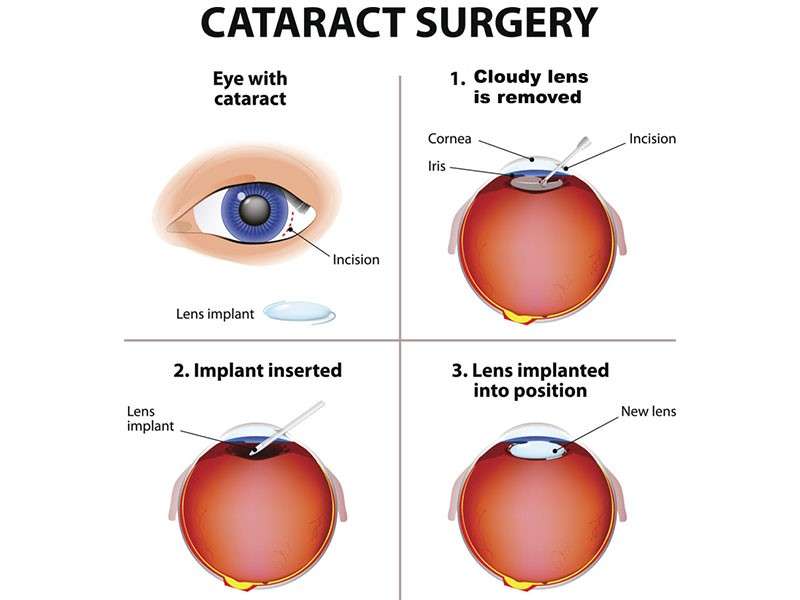
CATARACT SURGERY
Cataracts represent a clouding of the eye's natural lens, leading to visual impairment. This condition often develops slowly and can affect one or both eyes, impacting daily activities.
- Symptoms include blurry vision, difficulty seeing at night, and increased sensitivity to light.
- The diagnosis typically involves a comprehensive eye examination to evaluate vision clarity and lens opacity.
- Treatment options primarily involve surgery, where the cloudy lens is replaced with an artificial intraocular lens.
- Post-operative management may include eye drops and follow-up appointments to ensure proper healing.
- Patients can expect significant improvement in their vision after recovery, enabling them to resume normal activities.
Addressing cataracts effectively can lead to restored vision and enhanced quality of life for many individuals.