
Dr Anurag Gupta
About Me
Dr Anurag Gupta
MD
Cardiologist
10 Years Experience
Biography
My Clinic
OPD Hours
| Monday | Morning | 10:00 AM | - | 02:00 PM |
| Evening | 06:00 PM | - | 09:00 PM | |
| Tuesday | Morning | 10:00 AM | - | 02:00 PM |
| Evening | 06:00 PM | - | 09:00 PM | |
| Wednesday | Morning | 10:00 AM | - | 02:00 PM |
| Evening | 06:00 PM | - | 09:00 PM | |
| Thursday | Morning | 10:00 AM | - | 02:00 PM |
| Evening | 06:00 PM | - | 09:00 PM | |
| Friday | Morning | 10:00 AM | - | 02:00 PM |
| Evening | 06:00 PM | - | 09:00 PM | |
| Saturday | Morning | 10:00 AM | - | 02:00 PM |
| Evening | 06:00 PM | - | 09:00 PM | |
| Sunday | Morning | 10:00 AM | - | 02:00 PM |
| Evening | 06:00 PM | - | 09:00 PM |
Treatments
Specialised care and treatments offered
CARDIAC CT SCAN

A cardiac CT scan provides detailed images of your heart's structures using advanced imaging technology. This diagnostic tool is especially useful in assessing coronary artery disease by visualizing potential blockages non-invasively.
- Symptoms/causes : Physicians often recommend this scan when other tests suggest possible heart abnormalities or when patients exhibit symptoms indicative of coronary artery disease such as chest pain during exertion; those with risk factors may also benefit significantly from this assessment showing early indicators!
- Diagnosis : During this scan procedure carried out typically involves lying down while being moved into a donut-shaped machine that captures multiple cross-sectional images providing comprehensive views concerning structural integrity along with circulation efficiency throughout regions supplied blood via major arteries supplying nutrients necessary supporting proper performance levels!
- Treatment options : If significant blockages are detected resulting findings might prompt additional intervention measures perhaps lifestyle modifications dietary recommendations alongside regular follow-up check-ups ensuring optimal maintenance!
- Whattoexpect : Though generally painless there might occasionally arise discomfort associated with receiving intravenous contrast dye once results received follow-up appointments scheduled reviewing recommendations next steps formulated accordingly!
A cardiac CT scan represents state-of-the-art technology aiding clinicians efficiently targeting potential risks enhancing preventative strategies ensuring patients remain informed empowered regarding managing cardiovascular challenges encountered throughout life leading healthier fulfilling journeys!
ELECTROPHYSIOLOGY STUDY
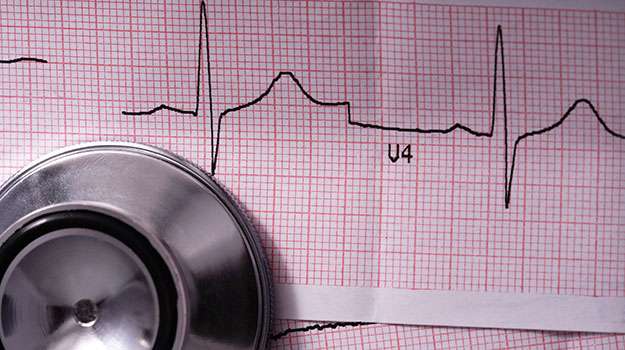
This specialized study assesses the electrical conduction system of the heart. An electrophysiological study (EPS) helps identify abnormal electrical pathways that cause arrhythmias. Understanding these patterns aids in developing appropriate treatment strategies.
- Symptoms/causes : Patients who are prone to palpitations or fainting spells are often referred for this examination.
- Diagnosis : During an EPS, catheters are placed inside the heart through blood vessels and used to measure electrical signals directly.
- Treatment options : Depending upon findings, treatments might include medication adjustments or procedures such as catheter ablation which eliminates problematic pathways.
- Whattoexpect : This requires careful preparation involving fasting beforehand; total time spent at facility may extend over several hours due diligence must be adhered too.
An electrophysiology study yields invaluable information regarding rhythm disorders enabling precise interventions thus enhancing overall cardiovascular health outcomes considerably throughout one's life journey!
CORONARY ANGIOGRAPHY
This minimally invasive procedure visualizes the coronary arteries using dye and X-ray imaging. It plays an essential role in diagnosing blockages that could lead to serious cardiac events such as a heart attack.
- Symptoms/causes: Patients who have severe chest pain or have previously experienced myocardial infarction may require angiography as part of their diagnosis process.
- Diagnosis: A catheter is inserted through an artery (often in the wrist or groin) and guided to the coronary arteries where dye is injected for clear imaging.
- Treatment options: Findings could necessitate interventions like angioplasty or stent placement depending on severity but also help guide medical therapy decisions thereafter.
- What to expect: The procedure generally lasts under an hour; some recovery time may be required post-procedure before discharge home can occur.
The results can assist doctors in formulating effective treatment plans tailored specifically for each patient’s needs based on their individual circumstances revealed through this evaluation process.
HOLTER MONITOR
A Holter monitor is a portable device used to continuously record the heart's electrical activity over 24-48 hours. It serves as a valuable tool for diagnosing arrhythmias that may not show up during routine exams.
- Symptoms/causes: Patients typically use this monitor when experiencing palpitations or dizziness that could indicate underlying cardiac conditions.
- Diagnosis: After wearing the monitor for the prescribed time, data is analyzed for irregular heart rhythms.
- Treatment options: Based on findings, treatments might range from medication management to recommending lifestyle changes or further testing if necessary.
- What to expect: While wearing the monitor, patients should continue with daily activities but avoid getting it wet or removing it without guidance from their doctor.
This monitoring method provides crucial insights into heart health that might be overlooked in brief consultations.
STRESS TEST
A stress test evaluates how well your heart performs under physical stress. This assessment helps identify issues like coronary artery disease by monitoring heart rhythm, blood pressure, and overall performance during exercise.
- Symptoms/causes: Doctors recommend this test for patients experiencing unexplained chest pain or those with risk factors for heart disease.
- Diagnosis: Patients are typically asked to walk on a treadmill while being monitored. Variations include using medication to simulate exercise for those unable to perform physically.
- Treatment options: Depending on the findings, treatment may vary from lifestyle modifications to more invasive procedures like angioplasty.
- What to expect: The test usually takes about an hour. A healthcare provider will provide instructions on how to prepare beforehand.
The results from a stress test can significantly influence future cardiac care decisions and interventions.
ECHOCARDIOGRAM
An echocardiogram is a vital diagnostic tool in cardiology that uses sound waves to create images of the heart. This non-invasive procedure allows for detailed visualization of heart structures, such as chambers and valves, and assesses their function.
- Symptoms/causes: Patients often undergo this test if they experience symptoms like shortness of breath, chest pain, or irregular heartbeat.
- Diagnosis: The test is performed by placing small sensors called transducers on the chest, which send and receive sound waves.
- Treatment options: Although this is primarily a diagnostic tool, results may lead to management plans including medications or lifestyle changes.
- What to expect: The procedure typically lasts about 30-60 minutes, and patients can return to normal activities immediately afterward.
An echocardiogram is an essential step in evaluating heart health and guiding further treatment as necessary.