
Dr Anurag
About Me
Dr Anurag
MBBS
General Physician
10 Years Experience
Biography
My Clinic
OPD Hours
| Monday | Morning | 10:00 AM | - | 02:00 PM |
| Evening | 06:00 PM | - | 09:00 PM | |
| Tuesday | Morning | 10:00 AM | - | 02:00 PM |
| Evening | 06:00 PM | - | 09:00 PM | |
| Wednesday | Morning | 10:00 AM | - | 02:00 PM |
| Evening | 06:00 PM | - | 09:00 PM | |
| Thursday | Morning | 10:00 AM | - | 02:00 PM |
| Evening | 06:00 PM | - | 09:00 PM | |
| Friday | Morning | 10:00 AM | - | 02:00 PM |
| Evening | 06:00 PM | - | 09:00 PM | |
| Saturday | Morning | 10:00 AM | - | 02:00 PM |
| Evening | 06:00 PM | - | 09:00 PM | |
| Sunday | Morning | 10:00 AM | - | 02:00 PM |
| Evening | 06:00 PM | - | 09:00 PM |
Treatments
Specialised care and treatments offered
CHOLESTEROL SCREENING AND MANAGEMENT
Lipid disorders can silently contribute to cardiovascular disease development. Monitoring cholesterol levels regularly allows timely intervention reducing heart attack or stroke risk significantly.
ANEMIA EVALUATION

Anemia refers to a deficiency in red blood cells or hemoglobin leading to reduced oxygen delivery throughout the body. Understanding its cause is crucial for targeted treatment.
- Symptoms & causes: Fatigue , weakness , pale skin ; commonly caused by nutritional deficiencies (iron , B12) , chronic disease , or bleeding .
- Diagnostic methods: Complete blood count test determines anemia presence ; further testing identifies underlying etiology .
- Treatment modalities: Depends on cause ; iron supplementation , vitamin replacement , addressing chronic illness or bleeding source .
- Prognosis: Most forms respond well when treated appropriately ; follow-up monitoring ensures resolution .
Prompt diagnosis facilitates symptom relief and prevents complications associated with prolonged oxygen deprivation .
ROUTINE HEALTH CHECKUP

A comprehensive health checkup is an essential tool for early detection of various medical conditions before symptoms arise. Regular evaluation supports preventive healthcare strategies tailored to individual needs.
- Main components: Physical examination, vital signs assessment, basic laboratory tests including blood sugar and lipid profile.
- Purpose: Identifies risk factors such as anemia or kidney issues that might otherwise go unnoticed in early stages.
- Lifestyle evaluation: Discussions about diet habits, physical activity levels, smoking status inform personalized advice for healthier living.
- Scheduling frequency: Typically once per year or more frequently based on age or existing medical conditions presence.
This routine aids in maintaining optimal health by detecting abnormalities early enough for effective intervention when necessary.
ADULT VACCINATION COUNSELING
Vaccinations remain a critical element in preventing infectious diseases across all age groups. Adults should stay updated with recommended vaccines to maintain immunity throughout life.
- Pertinent vaccines: Influenza annually, pneumococcal vaccine for at-risk adults, tetanus boosters every 10 years, and others based on individual risk factors.
- Efficacy assessment: Immunization history review helps determine which vaccines are needed to fill protection gaps.
- Counseling benefits: Improved understanding reduces hesitancy and promotes vaccine adherence for personal and public health safety.
- Tolerability: Most adult vaccines have minimal side effects; mild local reactions are common and transient.
Engaging in timely vaccination ensures prevention of many severe diseases, supporting long-term well-being at any stage of adulthood.
TYPE 2 DIABETES SCREENING AND CONTROL

Type 2 diabetes is a metabolic disorder characterized by elevated blood sugar levels due to insulin resistance. Early detection through screening helps reduce the risks of serious health problems.
- Signs and causes: May present with increased thirst, frequent urination, fatigue; linked to obesity, poor diet, lack of physical activity, and family history.
- Diagnosis: Blood tests such as fasting glucose or HbA1c levels confirm the presence of diabetes.
- Treatment approaches: Emphasis on lifestyle modifications including diet changes and regular exercise; medications may be required depending on blood sugar control.
- Monitoring: Regular check-ups and blood sugar monitoring help in adjusting therapy for optimal management.
A proactive approach in screening and managing type 2 diabetes can greatly decrease the likelihood of complications such as neuropathy or cardiovascular disease.
HYPERTENSION MANAGEMENT
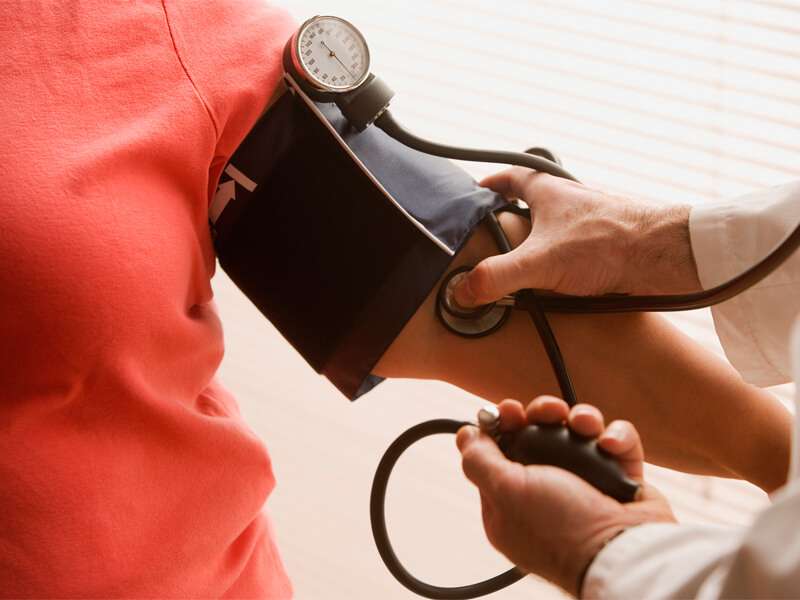
High blood pressure, or hypertension, is a common chronic condition that requires careful monitoring to prevent serious health issues. It often develops without obvious symptoms but can lead to complications like heart disease or stroke if untreated.
- Symptoms and causes: Usually asymptomatic; risk factors include obesity, sedentary lifestyle, high salt intake, stress, and genetics.
- Diagnosis: Regular blood pressure measurements are essential; ambulatory blood pressure monitoring may be used for accuracy.
- Treatment options: Lifestyle changes such as diet and exercise combined with antihypertensive medications prescribed based on severity.
- Management expectations: Continuous follow-up is vital; patients need to adhere to treatment plans and monitor their blood pressure routinely.
With proper care and commitment, hypertension can be effectively controlled to reduce the risk of long-term complications and improve quality of life.