
Dr Anurag Bansal
About Me
Dr Anurag Bansal
MBBS
General Physician
10 Years Experience
Biography
My Clinic
OPD Hours
| Monday | Morning | 10:00 AM | - | 02:00 PM |
| Evening | 06:00 PM | - | 09:00 PM | |
| Tuesday | Morning | 10:00 AM | - | 02:00 PM |
| Evening | 06:00 PM | - | 09:00 PM | |
| Wednesday | Morning | 10:00 AM | - | 02:00 PM |
| Evening | 06:00 PM | - | 09:00 PM | |
| Thursday | Morning | 10:00 AM | - | 02:00 PM |
| Evening | 06:00 PM | - | 09:00 PM | |
| Friday | Morning | 10:00 AM | - | 02:00 PM |
| Evening | 06:00 PM | - | 09:00 PM | |
| Saturday | Morning | 10:00 AM | - | 02:00 PM |
| Evening | 06:00 PM | - | 09:00 PM | |
| Sunday | Morning | 10:00 AM | - | 02:00 PM |
| Evening | 06:00 PM | - | 09:00 PM |
Treatments
Specialised care and treatments offered
VACCINATION AWARENESS
ANNUAL HEALTH CHECK-UP

An annual health check-up plays an indispensable role in preventive care by assessing overall health status. It allows for timely detection of potential health issues before they become serious concerns.
- >
- A comprehensive exam includes: Blood pressure checks, body mass index (BMI) calculations, and abdominal examinations among others;
RESPIRATORY INFECTION MANAGEMENT
Respiratory infections are frequent ailments that affect the lungs and airways. Understanding their nature helps in timely treatment and recovery.
- Main symptoms include: Coughing, sore throat, fever, and difficulty breathing could indicate a respiratory infection requiring attention.
- The diagnostic process often involves: Review of medical history along with clinical evaluation and potentially imaging or lab tests if necessary.
- Treatment approaches range from: Over-the-counter medications for symptom relief to antibiotics for bacterial infections based on doctor’s assessment.
CHOLESTEROL MANAGEMENT
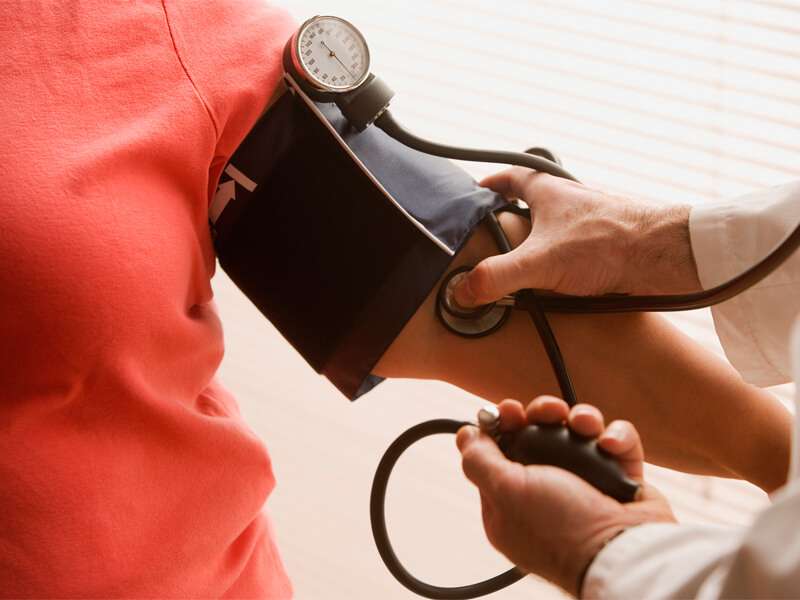
Maintaining healthy cholesterol levels is crucial for cardiovascular health. Elevated cholesterol can lead to plaque buildup in arteries, increasing the risk of heart disease.
- Causative factors: Poor diet, obesity, lack of exercise, and genetic predisposition are common contributors to high cholesterol.
- How it's diagnosed: A simple blood test called a lipid panel measures different types of cholesterol in the bloodstream.
- Treatment options include: Lifestyle changes such as improved diet and increased physical activity; statins may be prescribed for more severe cases.
- Your expectations: With proper intervention, cholesterol levels can be improved significantly over time leading to enhanced overall health.
A personalized approach towards managing cholesterol can help you lead a healthier life with reduced cardiovascular risks.
DIABETES SCREENING

Early identification of diabetes is critical in preventing long-term complications. Screening usually includes blood tests to determine your glucose levels.
- Common symptoms: Increased thirst, frequent urination, fatigue, and blurred vision are all indicative of potential diabetes.
- Diagnostic methods: Fasting blood sugar tests or oral glucose tolerance tests provide essential insights into an individual's glucose metabolism.
- Treatment strategies: If diagnosed early, lifestyle modifications and medication can effectively manage blood sugar levels and prevent progression.
- Anticipating outcomes: Ongoing management offers the opportunity to maintain a healthy lifestyle while minimizing risks associated with diabetes-related complications.
Taking proactive steps through screening can empower you with the information to manage your health wisely.
HYPERTENSION MANAGEMENT

Hypertension, or high blood pressure, is a common condition that can lead to serious health problems if left untreated. Regular monitoring and management are essential for maintaining optimal health.
- Symptoms: Many individuals with hypertension may experience headaches, shortness of breath, or nosebleeds; however, it is often asymptomatic.
- Diagnosis: A diagnosis typically involves measuring blood pressure using a sphygmomanometer during routine check-ups.
- Treatment options: Lifestyle changes such as diet modification and regular exercise play a crucial role in management, alongside medications like ACE inhibitors or beta-blockers when necessary.
- What to expect: With effective management, complications such as heart disease or stroke can be significantly reduced.
Regular consultations and monitoring are vital to keeping hypertension under control and ensuring overall well-being.