
Dr ANUPAM HOMEOP
About Me
Dr ANUPAM HOMEOP
MBBS
Dermatologist
10 Years Experience
Biography
My Clinic
OPD Hours
| Monday | Morning | 10:00 AM | - | 02:00 PM |
| Evening | 06:00 PM | - | 09:00 PM | |
| Tuesday | Morning | 10:00 AM | - | 02:00 PM |
| Evening | 06:00 PM | - | 09:00 PM | |
| Wednesday | Morning | 10:00 AM | - | 02:00 PM |
| Evening | 06:00 PM | - | 09:00 PM | |
| Thursday | Morning | 10:00 AM | - | 02:00 PM |
| Evening | 06:00 PM | - | 09:00 PM | |
| Friday | Morning | 10:00 AM | - | 02:00 PM |
| Evening | 06:00 PM | - | 09:00 PM | |
| Saturday | Morning | 10:00 AM | - | 02:00 PM |
| Evening | 06:00 PM | - | 09:00 PM | |
| Sunday | Morning | 10:00 AM | - | 02:00 PM |
| Evening | 06:00 PM | - | 09:00 PM |
Treatments
Specialised care and treatments offered
ALOPECIA AREATA SUPPORT
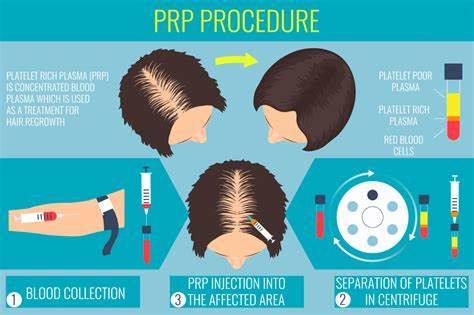
This autoimmune condition results in patchy hair loss which can cause psychological distress. Understanding the nature assists patients in setting realistic expectations about treatment outcomes.
- Description & cause:The immune system attacks hair follicles leading to sudden patchy hair loss without scarring.
- Main diagnostic features:A dermatologist will assess characteristic bald spots often confirmed by dermoscopy; sometimes biopsy needed if atypical.
- Treatment options include:Corticosteroid injections into affected areas are common first-line therapy; topical immunotherapy or minoxidil may also be advised depending on extent.
- Lifestyle & prognosis considerations:The course varies from spontaneous regrowth within months to persistence requiring ongoing management; support groups help coping emotionally.
An individualized approach focusing on early intervention enhances chances for hair regrowth while addressing quality-of-life impacts concurrently.
ECZEMA MANAGEMENT
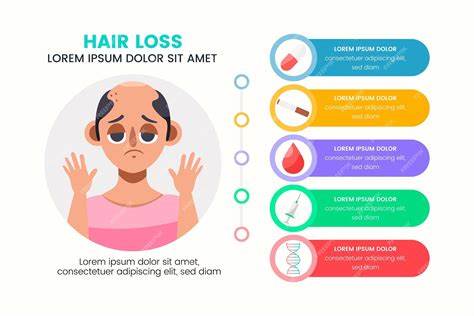
Eczema encompasses several forms of dermatitis resulting in inflamed itchy patches that can disrupt daily life. Proper understanding aids optimal symptom relief strategies.
- Eczema characteristics: Redness, scaling, dryness often with intense itchiness typify this condition which can be triggered by allergens or irritants in environment or products used on the skin.
HYPERPIGMENTATION TREATMENT
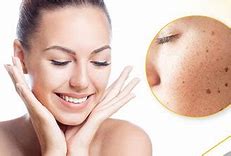
The darkening of certain areas of the skin due to increased melanin production can affect appearance and confidence. Understanding causes enables targeted treatment approaches.
- Main causes: Sun exposure, hormonal changes (melasma), inflammation after acne or injury contribute to hyperpigmentation development.
- Clinical diagnosis: Visual inspection along with medical history suffices; Wood's lamp examination may assist in determining pigmentation depth.
- Treatment options: Topical agents containing ingredients like hydroquinone, kojic acid or azelaic acid help lighten spots; sun protection is vital throughout therapy.
- User guidance: Consistent use over several months required before visible improvement; avoid direct sun exposure while treating affected areas to prevent worsening pigmentation.
Diligent care using prescribed treatments combined with lifestyle changes offers effective reduction in hyperpigmentation over time.
ATOPIC DERMATITIS CARE
This chronic inflammatory condition leads to dry, itchy skin that tends to flare periodically. It’s essential to manage symptoms promptly for comfort and preventing complications.
- Identification of symptoms: Presents as intense itching accompanied by red or brownish-gray patches commonly on face, hands or behind knees; often linked with personal or family history of allergies.
- Diagnosing methods: Primarily clinical evaluation considering age of onset and associated allergic conditions; patch testing may help exclude contact allergens.
- Treatment focus: Emollients are fundamental alongside topical corticosteroids during flares; antihistamines relieve itching; avoidance of irritants is critical.
- Lifestyle factors: Maintaining skin hydration through regular moisturizing baths or creams reduces frequency of flares; stress management also plays a role.
A well-structured skincare routine combined with trigger avoidance supports long-term control of atopic dermatitis symptoms.
ACNE VULGARIS CONTROL
Acne vulgaris is a common inflammatory skin disease affecting oil glands and hair follicles, often seen in teenagers but also adults. Understanding its nature helps guide effective care.
- Signs and causes: Characterized by whiteheads, blackheads, pimples, and sometimes cysts; caused by excess sebum production, bacterial proliferation, and follicular blockage.
- Diagnostic approach: Clinical inspection is usually sufficient; severity assessment helps tailor treatment plans.
- Treatment strategies: Includes topical retinoids, antibiotics, benzoyl peroxide, hormonal therapy for females, and lifestyle advice to prevent exacerbation.
- Patient expectations: Improvement may take weeks to months; adherence to treatment regimen is crucial for success and minimizing scarring.
A comprehensive approach combining medication with good skincare habits is key to managing acne effectively.
PSORIASIS MANAGEMENT
Psoriasis is a chronic skin condition characterized by red, scaly patches that can cause discomfort and self-consciousness. It is important to understand how this autoimmune disorder affects the skin's cycle.
- Symptoms and causes: Psoriasis typically presents as raised, inflamed plaques covered with silvery scales; it arises from an overactive immune response causing rapid skin cell turnover.
- Diagnosis: A dermatologist diagnoses psoriasis through physical examination and medical history, sometimes using a skin biopsy to confirm.
- Treatment options: Management includes topical therapies like corticosteroids and vitamin D analogues, phototherapy, and systemic medications for severe cases.
- Lifestyle considerations: Avoiding triggers such as stress, smoking, and excessive alcohol can reduce flare-ups; moisturizing regularly helps maintain skin barrier function.
With proper treatment and lifestyle adjustments, individuals with psoriasis can effectively control symptoms and improve their quality of life.