
Dr Anupam Gupta
About Me
Dr Anupam Gupta
MBBS
Podiatrist
10 Years Experience
Biography
My Clinic
OPD Hours
| Monday | Morning | 10:00 AM | - | 02:00 PM |
| Evening | 06:00 PM | - | 09:00 PM | |
| Tuesday | Morning | 10:00 AM | - | 02:00 PM |
| Evening | 06:00 PM | - | 09:00 PM | |
| Wednesday | Morning | 10:00 AM | - | 02:00 PM |
| Evening | 06:00 PM | - | 09:00 PM | |
| Thursday | Morning | 10:00 AM | - | 02:00 PM |
| Evening | 06:00 PM | - | 09:00 PM | |
| Friday | Morning | 10:00 AM | - | 02:00 PM |
| Evening | 06:00 PM | - | 09:00 PM | |
| Saturday | Morning | 10:00 AM | - | 02:00 PM |
| Evening | 06:00 PM | - | 09:00 PM | |
| Sunday | Morning | 10:00 AM | - | 02:00 PM |
| Evening | 06:00 PM | - | 09:00 PM |
Treatments
Specialised care and treatments offered
FLATFOOT REHABILITATION PROGRAMS
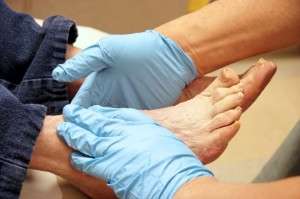
The condition known as flatfoot involves flattening of the arch leading to altered gait mechanics which can cause pain or fatigue in lower limbs. Targeted rehabilitation supports arch restoration effectively through exercises plus lifestyle modifications.
- Identifying Features: Visible low arch while standing accompanied sometimes by ankle instability or calf tightness.
- Diagnostic Approach: Clinical assessment supported occasionally by weight-bearing X-rays ensures comprehensive understanding.
- Methods Employed: Customized exercise regimens focus on strengthening intrinsic foot muscles along with stretching tightened structures; use of shoe inserts also complements therapy.
- Patient Outcomes: Improvement includes decreased discomfort during activity enhanced endurance plus better postural control .
The integration of rehabilitation contributes significantly toward improved function mitigating secondary problems associated with flatfoot deformity .
BUNION SPLINTING
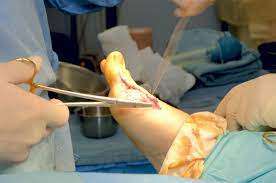
A bunion is a bony bump that forms at the base of the big toe joint due to joint misalignment. Splinting helps alleviate discomfort by supporting proper toe positioning without surgery initially.
- The causes often involve genetic predisposition combined with tight-fitting shoes that exacerbate joint deformity over time.
- Diagnosis: Clinical examination confirms bunion presence alongside assessment for accompanying soft tissue irritation.
- Management options: Wearing padded splints designed for bunion correction during rest periods aids realignment while minimizing friction-induced pain.
- What patients should expect : Relief from soreness improves progressively though splints do not reverse bone changes completely;
they serve as conservative measures delaying potential surgery needs.
Early adoption of bunion splinting contributes towards comfort enhancement facilitating ongoing foot mobility preservation .
DIABETIC FOOT CARE
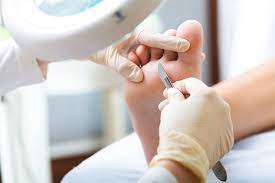
Caring for feet is critical among individuals with diabetes to prevent serious complications like ulcers or infections. Proper management focuses on maintaining skin integrity and circulation.
- Main Risks: Loss of sensation (neuropathy), poor blood flow leading to slow healing wounds that can become infected without prompt attention.
- Evaluation Techniques: Regular examinations including sensory testing (monofilament), checking pulses, and inspecting skin condition are essential preventive steps.
- Lifestyle Management: Daily foot hygiene routines, avoiding walking barefoot, moisturizing dry skin carefully while preventing moisture buildup between toes. Treatment Principles: Early treatment of calluses or minor wounds with professional care reduces chances of progression into ulcers requiring surgical intervention;
CUSTOM ORTHOTIC THERAPY
Custom orthotics are specially designed shoe inserts tailored to correct foot posture and biomechanical issues. They play a vital role in managing various foot-related conditions by offering targeted support.
- Causes Addressed: Flat feet, high arches, plantar fasciitis, arthritis-related pain—orthotics help redistribute pressure to relieve stress on painful areas.
- Assessment Process: Involves detailed evaluation of gait patterns and foot structure using specialized tools for precise fitting.
- Treatment Use: Wearing orthotics regularly inside appropriate footwear aids in correcting alignment problems and reducing discomfort during daily activities.
- User Expectations: Gradual improvement in symptoms such as pain reduction and increased stability; adjustments may be needed based on patient feedback over time.
This personalized approach enhances foot function non-invasively by supporting natural biomechanics effectively.
INGROWN TOENAIL CARE
An ingrown toenail occurs when the nail's edge grows into the surrounding skin, causing discomfort and sometimes infection. This condition frequently affects the big toe but can involve any toenail.
- Symptoms and Causes: Pain, redness, swelling near nail borders; often linked to improper nail trimming, tight footwear, or injury.
- Diagnosis: Physical examination identifies inflammation and possible signs of infection around the nail fold.
- Treatment Options: Conservative care includes soaking feet in warm water, gently lifting nails with cotton wedges, proper trimming techniques, and footwear modification; antibiotics may be prescribed if infected.
- Outlook: Mild cases usually resolve with home care within days; persistent or severe infections might require minor procedures for relief.
Caring for ingrown toenails promptly reduces discomfort and prevents complications while promoting nail health.
PLANTAR FASCIITIS
Plantar fasciitis is a common cause of heel pain due to inflammation of the thick band of tissue connecting the heel bone to the toes. It often develops gradually and can affect people of all ages.
- Symptoms and Causes: Sharp heel pain, especially with first steps in the morning or after rest; often caused by overuse, poor footwear, or foot structure abnormalities.
- Diagnosis: Clinical evaluation focusing on pain location and history; imaging like ultrasound or MRI may be used to rule out other conditions.
- Treatment and Management: Includes stretching exercises, wearing supportive shoes or orthotics, anti-inflammatory medications, and rest from aggravating activities.
- Expectations: Symptoms typically improve over weeks to months with consistent conservative care; severe cases may require physical therapy or injections.
Understanding plantar fasciitis helps patients take proactive steps toward recovery through appropriate self-care and professional guidance.