
Dr Anupam Bhardwa
About Me
Dr Anupam Bhardwa
MBBS
Diabetologist
10 Years Experience
Biography
My Clinic
OPD Hours
| Monday | Morning | 10:00 AM | - | 02:00 PM |
| Evening | 06:00 PM | - | 09:00 PM | |
| Tuesday | Morning | 10:00 AM | - | 02:00 PM |
| Evening | 06:00 PM | - | 09:00 PM | |
| Wednesday | Morning | 10:00 AM | - | 02:00 PM |
| Evening | 06:00 PM | - | 09:00 PM | |
| Thursday | Morning | 10:00 AM | - | 02:00 PM |
| Evening | 06:00 PM | - | 09:00 PM | |
| Friday | Morning | 10:00 AM | - | 02:00 PM |
| Evening | 06:00 PM | - | 09:00 PM | |
| Saturday | Morning | 10:00 AM | - | 02:00 PM |
| Evening | 06:00 PM | - | 09:00 PM | |
| Sunday | Morning | 10:00 AM | - | 02:00 PM |
| Evening | 06:00 PM | - | 09:00 PM |
Treatments
Specialised care and treatments offered
INSULIN THERAPY INITIATION
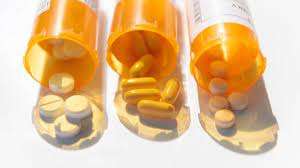
The start of insulin therapy marks an important step when oral medications alone no longer sufficiently regulate blood sugar levels. Tailored initiation minimizes complications while maximizing metabolic control in diabetes management plans.
- < li >< strong > Symptoms And Causes: High glucose persistence despite lifestyle modifications indicates need for insulin addition .< li >< strong > Diagnosis: Clinical assessment alongside lab results guide timing & dosage considerations respectively .< li >< strong > Treatment / Management : Various insulin types(daily injections,pens,pumps)are selected based on individual needs aimed at achieving target glycemic goals safely .< li >< strong > What To Expect : Patients receive education sessions explaining injection techniques,hypoglycemia recognition & prevention ,monitoring schedules & follow-up care importance .< p > Comprehensive support enhances comfort during therapy transition fostering improved health outcomes through consistent blood sugar regulation .
PERIPHERAL NEUROPATHY SCREENING IN DIABETES
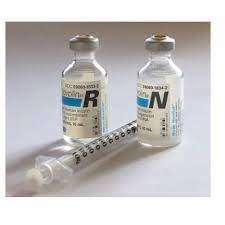
Nerve damage due to prolonged high blood sugar called peripheral neuropathy affects many people living with diabetes. Early screening helps identify nerve impairment before irreversible symptoms develop significantly impacting quality of life.
- < li >< strong > Symptoms and Causes: Includes numbness, tingling ,burning sensations ,or pain primarily in the feet or hands caused by sustained hyperglycemia damaging nerves. < li >< strong > Diagnosis: Clinical examination includes checking reflexes ,sensation using monofilament testing,sensory instruments,and nerve conduction studies if necessary .< li >< strong > Treatment / Management: Effective glycemic control combined with medications for symptom relief(eg,pain relievers)and lifestyle changes improve prognosis .< li >< strong > What To Expect: Regular screening visits help detect neuropathy early allowing timely interventions reducing progression risks .< p > Identifying nerve damage early supports integrated care approaches preserving mobility,endurance,and overall wellness among diabetic individuals .
DIABETIC KETOACIDOSIS (DKA) MANAGEMENT
Diabetic Ketoacidosis (DKA) is an acute medical emergency characterized by dangerously high blood sugar with ketone accumulation leading to acid-base imbalance. Prompt diagnosis and treatment are critical for patient safety.
- Symptoms and Causes: DKA presents with symptoms such as nausea, abdominal pain, rapid breathing, confusion, often triggered by infection or missed insulin doses.
- Diagnosis: Blood tests reveal elevated ketones, high glucose levels, acidosis on arterial blood gases, along with electrolyte disturbances.
- Treatment/Management: Immediate hospitalization involving intravenous fluids, electrolytes replacement, insulin therapy, and monitoring vital parameters is essential to reverse DKA safely.
- What to Expect:You may undergo close observation until metabolic abnormalities stabilize; education follows hospitalization focusing on preventing recurrence through strict disease management adherence.
Efficacious handling of DKA reduces life-threatening risks while reinforcing patient understanding of meticulous diabetes control practices moving forward.
CONTINUOUS GLUCOSE MONITORING (CGM)
Continuous Glucose Monitoring (CGM) offers real-time tracking of glucose levels throughout the day and night by using a small sensor placed under the skin. It allows for dynamic insights into blood sugar trends beyond periodic fingerstick tests.
- Symptoms and Causes: CGM benefits patients experiencing frequent hypo- or hyperglycemia or those needing tight glucose control awareness.
- Diagnosis: This technology detects fluctuations that might otherwise go unnoticed by standard testing methods.
- Treatment/Management: Data from CGM enables timely adjustments in insulin dosing, diet, and physical activity plans aimed at stabilizing blood sugar levels.
- What to Expect: Users wear a wearable sensor continuously for several days or weeks; minimal discomfort is involved during sensor placement.
The comprehensive data collected empowers patients and healthcare professionals to make informed decisions optimizing diabetes care effectively.
HBA1C TESTING
The HbA1c test provides information about average blood sugar control over the past two to three months. It is an indispensable tool for managing diabetes and monitoring treatment efficacy.
- Symptoms and Causes: Elevated HbA1c indicates chronic high blood sugar, which can be asymptomatic initially but leads to complications if uncontrolled.
- Diagnosis: A simple blood sample is analyzed for glycosylated hemoglobin percentage reflecting long-term glucose exposure.
- Treatment/Management: Results assist healthcare providers in adjusting medications, diet, and exercise plans tailored to individual needs.
- What to Expect: Unlike daily fingerstick tests, this test does not require fasting and provides cumulative data rather than immediate readings.
This measurement serves as a reliable marker for long-term disease control, helping prevent diabetes-related complications through informed clinical decisions.
ORAL GLUCOSE TOLERANCE TEST (OGTT)
The Oral Glucose Tolerance Test (OGTT) is a diagnostic procedure used to assess how well the body processes glucose. It is particularly useful in detecting diabetes and prediabetes conditions that may not be apparent through routine blood sugar tests.
- Symptoms and Causes: OGTT helps identify impaired glucose metabolism, often in patients with risk factors like obesity or family history of diabetes.
- Diagnosis: The patient fasts overnight before consuming a glucose-rich drink; blood samples are taken before and at intervals after intake to measure glucose levels.
- Treatment/Management: Results guide early intervention strategies including lifestyle adjustments or medication to prevent progression to full diabetes.
- What to Expect: The test takes about 2-3 hours, requiring patient cooperation with fasting and tolerated glucose intake.
This test plays an essential role in accurately diagnosing glucose metabolism issues, offering a foundation for effective diabetes management planning.