
DR Anubhav Goyal
About Me
DR Anubhav Goyal
MS
Ophthalmologist
10 Years Experience
Biography
My Clinic
OPD Hours
| Monday | Morning | 10:00 AM | - | 02:00 PM |
| Evening | 06:00 PM | - | 09:00 PM | |
| Tuesday | Morning | 10:00 AM | - | 02:00 PM |
| Evening | 06:00 PM | - | 09:00 PM | |
| Wednesday | Morning | 10:00 AM | - | 02:00 PM |
| Evening | 06:00 PM | - | 09:00 PM | |
| Thursday | Morning | 10:00 AM | - | 02:00 PM |
| Evening | 06:00 PM | - | 09:00 PM | |
| Friday | Morning | 10:00 AM | - | 02:00 PM |
| Evening | 06:00 PM | - | 09:00 PM | |
| Saturday | Morning | 10:00 AM | - | 02:00 PM |
| Evening | 06:00 PM | - | 09:00 PM | |
| Sunday | Morning | 10:00 AM | - | 02:00 PM |
| Evening | 06:00 PM | - | 09:00 PM |
Treatments
Specialised care and treatments offered
CATARACT PREVENTION STRATEGIES
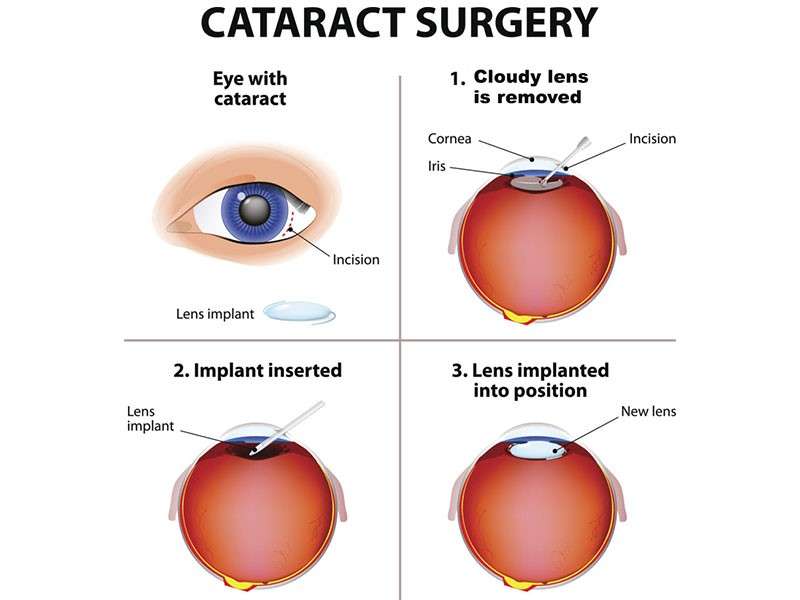
Cataracts are clouding of the lens inside your eye that affects clarity of vision; however there are steps you can take towards prevention!
- Main risk factors involve age but also include excessive UV exposure which highlights sun protection's role in minimizing risks!
Treatments focus on regular monitoring while adopting healthy lifestyle choices, such as balanced diets rich in antioxidants found naturally in fruits/vegetables & avoiding smoking.
Cataract surgery remains an option if interference with quality-of-life occurs!Sustained efforts towards preventive measures enable individuals > maintain clear sight longer without diminishment brought forth by cataracts.
BLEPHARITIS

This common eyelid condition occurs when oil glands at the base of eyelashes become clogged or inflamed. It can lead to redness, irritation, and crusting along the eyelids.
- Main symptoms include itchiness around the eyelids, flaky skin along the lashes, and potential sensitivity to light.
- A thorough examination will determine if blepharitis is present through visual inspection of eyelids and lashes along with symptom assessment.
- Treatment usually begins with warm compresses and careful eyelid scrub routines aimed at managing oil build-up!
Blepharitis is manageable through consistent hygiene practices which help ensure effective relief from discomfort while minimizing future flare-ups!
MACULAR DEGENERATION (AGE-RELATED MACULAR DEGENERATION)

This degenerative condition primarily affects older adults and results in loss of central vision due to damage to the retina's macula. Being aware of this condition is crucial for early detection!
- Initial symptoms may include blurred or distorted vision, particularly when reading or recognizing faces.
- A detailed ocular examination helps identify changes in the retina indicative of macular degeneration.
- Treatment typically includes nutritional supplements rich in antioxidants that may support retinal health.,
- Lifestyle modifications such as quitting smoking and maintaining a healthy diet are strongly recommended for slowing progression as well!
Remaining vigilant about changes in your vision allows for timely intervention which can help mitigate the impact on your quality of life as it progresses over time!
DIGITAL EYE STRAIN (COMPUTER VISION SYNDROME)

Digital Eye Strain has become increasingly prevalent due to prolonged screen time from computers and other digital devices. It encompasses a range of visual discomforts associated with extended use of technology.
- Common symptoms include eye fatigue, dryness, headaches, and blurred vision after long periods of use.
- A comprehensive eye exam helps determine if you have this condition by assessing visual acuity and focusing ability.
- Treatment strategies often involve implementing the 20-20-20 rule: every 20 minutes, take a 20-second break to look at something 20 feet away.
- Proper lighting during device use can also alleviate symptoms significantly.
Addressing Digital Eye Strain is essential to maintain productivity and comfort in an increasingly digital world while protecting your vision health long-term.
ALLERGIC CONJUNCTIVITIS
This is an inflammation of the conjunctiva caused by allergens like pollen, dust mites, or pet dander. It affects many individuals during specific seasons or in certain environments.
- The primary symptoms include redness, itching, and watery discharge from the eyes.
- Diagnosis usually includes a detailed patient history and examination of symptoms.
- Treatment often involves avoiding known allergens, using antihistamine eye drops, and applying cool compresses to relieve discomfort.
- In more severe cases, prescription medications may be required to control inflammation.
Managing allergic conjunctivitis effectively allows individuals to return to their daily activities with minimal disruption and discomfort.
DRY EYE SYNDROME
Dry Eye Syndrome is a common condition that occurs when the eyes do not produce enough tears, or when the tears evaporate too quickly. This can lead to discomfort and vision problems.
- Symptoms often include a gritty or burning sensation, redness, and blurred vision.
- The diagnosis typically involves a thorough eye examination and tests to evaluate tear production.
- Treatment options may include artificial tears, lifestyle changes such as increased hydration, and limiting screen time.
- In some cases, prescription medications may be necessary to enhance tear production.
- Punctal plugs can also be inserted by an eye care professional to reduce tear drainage.
Management of Dry Eye Syndrome focuses on maintaining comfort and preventing further irritation. Regular follow-ups are important for monitoring progress.