
Dr Anshu Tomar
About Me
Dr Anshu Tomar
MBBS
Dermatologist
10 Years Experience
Biography
My Clinic
OPD Hours
| Monday | Morning | 10:00 AM | - | 02:00 PM |
| Evening | 06:00 PM | - | 09:00 PM | |
| Tuesday | Morning | 10:00 AM | - | 02:00 PM |
| Evening | 06:00 PM | - | 09:00 PM | |
| Wednesday | Morning | 10:00 AM | - | 02:00 PM |
| Evening | 06:00 PM | - | 09:00 PM | |
| Thursday | Morning | 10:00 AM | - | 02:00 PM |
| Evening | 06:00 PM | - | 09:00 PM | |
| Friday | Morning | 10:00 AM | - | 02:00 PM |
| Evening | 06:00 PM | - | 09:00 PM | |
| Saturday | Morning | 10:00 AM | - | 02:00 PM |
| Evening | 06:00 PM | - | 09:00 PM | |
| Sunday | Morning | 10:00 AM | - | 02:00 PM |
| Evening | 06:00 PM | - | 09:00 PM |
Treatments
Specialised care and treatments offered
TOPICAL CORTICOSTEROID THERAPY
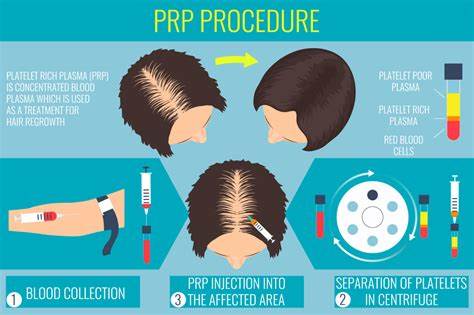
Corticosteroids applied topically are a cornerstone in managing many inflammatory skin disorders such as eczema, psoriasis, and dermatitis. They help control flare-ups by reducing inflammation effectively when used appropriately.
PHOTODYNAMIC THERAPY (PDT)
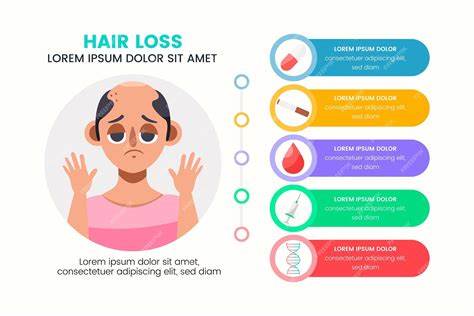
Photodynamic therapy is an innovative dermatological procedure used primarily to treat precancerous lesions like actinic keratosis as well as certain superficial skin cancers. It combines a photosensitizing agent with light exposure to destroy abnormal cells selectively.
- Causative Conditions Treated: Sun-damaged spots at risk of malignant transformation are common targets for PDT intervention.
- Efficacy Confirmation: Doctors visually inspect lesions and may take biopsies before initiating therapy plans tailored per patient needs.
BOTULINUM TOXIN INJECTIONS
Botulinum toxin injections are employed to temporarily reduce dynamic wrinkles caused by facial muscle movements. They offer a quick cosmetic enhancement with proven safety when administered correctly.
- Description/Use: Primarily used on forehead lines, crow’s feet, and frown lines resulting from repetitive muscle contractions.
- Disease Identification: Assessment focuses on wrinkle patterns and muscle activity rather than disease diagnosis.
- The Procedure: Small doses injected into targeted muscles cause temporary relaxation lasting several months.
- User Expectations: Minimal discomfort during administration; effect appears within days post-treatment requiring periodic maintenance sessions for sustained results.
This approach is favored for its minimally invasive nature providing natural-looking rejuvenation without surgery or extensive recovery time.
LASER THERAPY FOR ACNE SCARS
The use of laser therapy has transformed acne scar management by enhancing skin texture and reducing scar visibility. This option suits patients seeking a non-surgical approach with significant improvement potential.
- Symptoms/Causes: Acne scars arise from previous inflammatory acne lesions leading to depressed or raised marks on the skin surface.
- Evaluation: Dermatologists assess scar type and skin condition prior to treatment planning.
- Treatment Approach: Targeted laser pulses stimulate collagen remodeling and skin regeneration deep within affected areas.
- Treatment Outcome: Multiple sessions spaced weeks apart often yield progressive improvement with minimal downtime.
This cutting-edge method provides a safe way to restore smoother skin texture while minimizing invasive procedures.
CRYOTHERAPY FOR WARTS
Cryotherapy is a minimally invasive technique frequently used to remove warts by freezing the affected tissue with liquid nitrogen. It is widely accepted due to its quick action and minimal discomfort.
- Causes/Symptoms: Warts appear as small skin growths caused by human papillomavirus (HPV).
- Diagnosis: Visual examination generally suffices; occasionally biopsy if uncertain.
- Treatment Method: Application of extreme cold destroys wart cells leading to their sloughing off over time.
- Patient Experience: Slight stinging during application; healing typically involves crusting before new healthy skin emerges.
This technique is effective in office settings for various wart types, promoting rapid recovery with minimal scarring risk.
CHEMICAL PEELS
Chemical peels are a popular dermatological procedure used to improve the texture and appearance of the skin. They involve applying a chemical solution that causes controlled exfoliation and shedding of damaged outer layers.
- Symptoms/Uses: Commonly used for acne scars, uneven pigmentation, sun damage, and fine lines.
- Diagnosis: Skin assessment helps determine suitability and peel depth required.
- Treatment: Different acids like glycolic, salicylic, or trichloroacetic acid are applied according to skin type and concern.
- What to Expect: Mild peeling and redness follow the treatment; multiple sessions may be recommended for optimal results.
This method rejuvenates the skin by promoting collagen production and improves overall tone safely under expert care.