
Dr Ankur Tyagi Ph
About Me
Dr Ankur Tyagi Ph
MBBS
General Physician
10 Years Experience
Biography
My Clinic
OPD Hours
| Monday | Morning | 10:00 AM | - | 02:00 PM |
| Evening | 06:00 PM | - | 09:00 PM | |
| Tuesday | Morning | 10:00 AM | - | 02:00 PM |
| Evening | 06:00 PM | - | 09:00 PM | |
| Wednesday | Morning | 10:00 AM | - | 02:00 PM |
| Evening | 06:00 PM | - | 09:00 PM | |
| Thursday | Morning | 10:00 AM | - | 02:00 PM |
| Evening | 06:00 PM | - | 09:00 PM | |
| Friday | Morning | 10:00 AM | - | 02:00 PM |
| Evening | 06:00 PM | - | 09:00 PM | |
| Saturday | Morning | 10:00 AM | - | 02:00 PM |
| Evening | 06:00 PM | - | 09:00 PM | |
| Sunday | Morning | 10:00 AM | - | 02:00 PM |
| Evening | 06:00 PM | - | 09:00 PM |
Treatments
Specialised care and treatments offered
ANEMIA EVALUATION
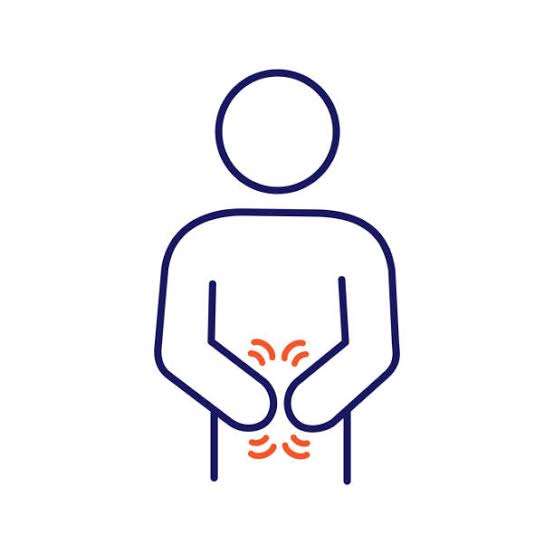
Anemia represents a deficiency in red blood cells or hemoglobin compromising oxygen transport which warrants detailed investigation for effective correction strategies.
- Main Causes & Clinical Signs:
THYROID FUNCTION TESTING

The thyroid gland plays a vital role in metabolism regulation; dysfunction requires evaluation through specialized laboratory tests for proper management.
- Pertinent Symptoms: Fatigue, weight changes, mood alterations may indicate hypothyroidism or hyperthyroidism disorders needing assessment.
- TFT Panels Include: Measurements of TSH (thyroid stimulating hormone), Free T3 and Free T4 hormones provide insight into gland performance levels.
- Causative Factors Assessment: Autoimmune conditions like Hashimoto’s thyroiditis are common underlying causes detected via antibody testing if indicated.
INFECTIOUS DISEASE DIAGNOSIS

The identification of infectious diseases involves specific diagnostic measures to target causative agents accurately for timely intervention.
- Spectrum: Includes bacterial, viral, fungal infections presenting with fever, malaise or localized symptoms depending on site involved.
- Diagnostic Tools: Laboratory investigations such as blood cultures, serology tests or PCR techniques aid in confirming infection type.
- Treatment Planning: Guided by pathogen sensitivity; antibiotics or antivirals are prescribed accordingly alongside supportive care.
- Description of Progression: Early detection improves prognosis by preventing complications like sepsis or chronic disease sequelae.
A precise diagnosis directs effective treatment ensuring patient recovery while minimizing resistance development risks.
ROUTINE HEALTH CHECK-UPS
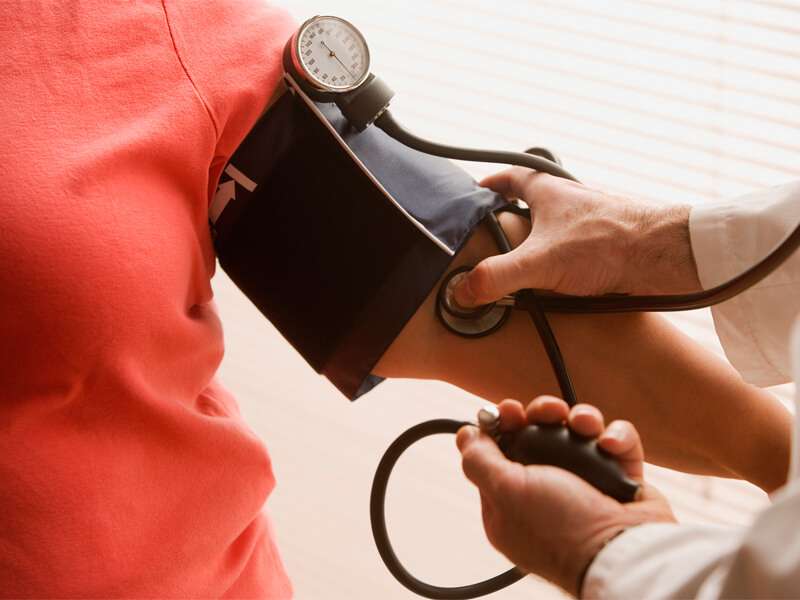
A thorough health check-up offers an opportunity to evaluate overall well-being and detect potential health issues early on.
- Purpose: Detect asymptomatic diseases including anemia, infections, or organ dysfunctions before they advance.
- Components: Physical examination combined with laboratory tests like CBC, liver function tests, lipid profile among others.
- Counseling: Recommendations on nutrition, physical activity, immunizations as per individual needs follow the assessment.
- Periodic Frequency: Annual or biennial evaluations depending on age and risk profile are advised for preventive care.
An organized approach to routine screening helps maintain optimal health status over time.
DIABETES MELLITUS SCREENING AND MONITORING

Diabetes mellitus is a metabolic disorder characterized by elevated blood sugar levels requiring early diagnosis and ongoing care.
- Symptoms & Risk Factors: Increased thirst, frequent urination, fatigue; risk factors include obesity and family history.
- Diagnostic Tests: Blood glucose levels measured through fasting plasma glucose or HbA1c tests.
- Treatment Approaches: Lifestyle modification, oral hypoglycemics, or insulin therapy based on clinical assessment.
- Regular Monitoring: Routine checks help prevent complications such as neuropathy or retinopathy.
Lifelong attention to treatment plans helps patients manage diabetes successfully and maintain quality of life.
HYPERTENSION MANAGEMENT
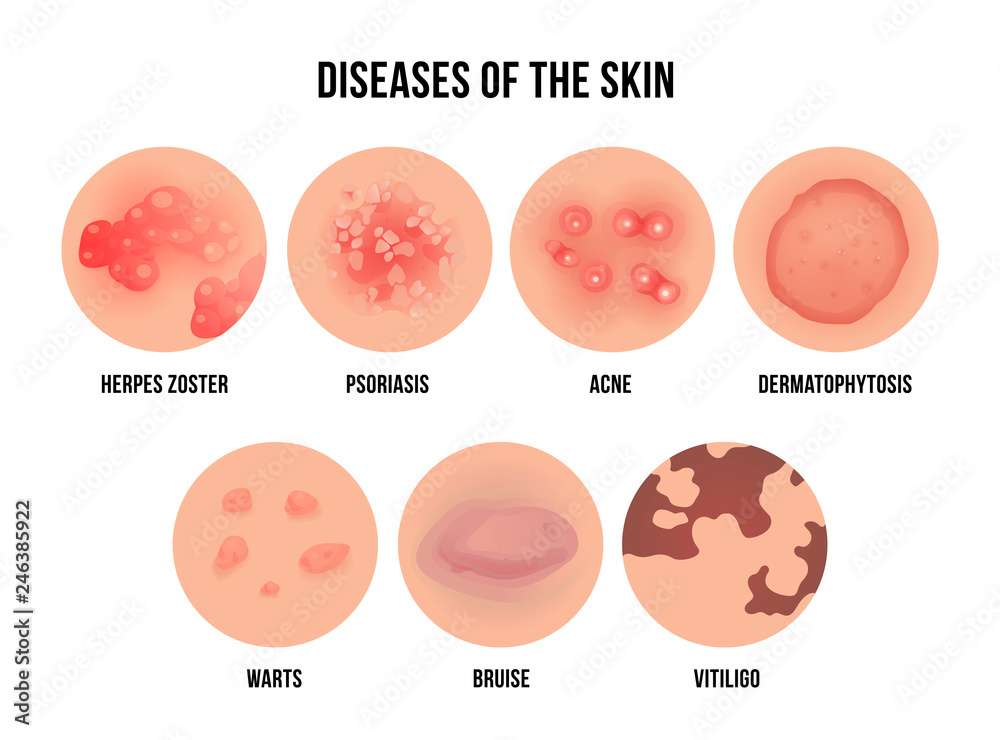
High blood pressure, or hypertension, is a common medical condition that requires careful monitoring and management to prevent serious complications.
- Causes & Symptoms: Often symptomless but can lead to headaches, dizziness, or vision problems if severe.
- Diagnosis: Regular blood pressure measurements using validated devices over multiple visits.
- Treatment: Lifestyle changes such as diet and exercise, along with antihypertensive medications when necessary.
- Monitoring: Periodic follow-up and adjustments of therapy ensure optimal control and reduce risks.
- Outlook: With proper management, individuals can maintain a healthy life and avoid cardiovascular events.
Early detection and sustained treatment are crucial for managing hypertension effectively.