
Dr Ankur Gupta
About Me
Dr Ankur Gupta
MS
Orthopaedic Surgeons
10 Years Experience
Biography
My Clinic
OPD Hours
| Monday | Morning | 10:00 AM | - | 02:00 PM |
| Evening | 06:00 PM | - | 09:00 PM | |
| Tuesday | Morning | 10:00 AM | - | 02:00 PM |
| Evening | 06:00 PM | - | 09:00 PM | |
| Wednesday | Morning | 10:00 AM | - | 02:00 PM |
| Evening | 06:00 PM | - | 09:00 PM | |
| Thursday | Morning | 10:00 AM | - | 02:00 PM |
| Evening | 06:00 PM | - | 09:00 PM | |
| Friday | Morning | 10:00 AM | - | 02:00 PM |
| Evening | 06:00 PM | - | 09:00 PM | |
| Saturday | Morning | 10:00 AM | - | 02:00 PM |
| Evening | 06:00 PM | - | 09:00 PM | |
| Sunday | Morning | 10:00 AM | - | 02:00 PM |
| Evening | 06:00 PM | - | 09:00 PM |
Treatments
Specialised care and treatments offered
KNEE OSTEOARTHRITIS MANAGEMENT
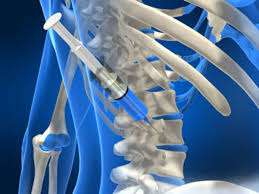
Knee osteoarthritis is a degenerative joint disease that affects millions globally. Knowing its implications helps manage symptoms effectively over time.
- Mainly manifested by persistent knee pain exacerbated by activity alongside stiffness particularly after prolonged periods of inactivity; swelling might also present itself as associated symptoms thereof .
- Diagnosis entails clinical assessment confirming history coupled additionally with imaging studies such as X-rays revealing characteristic changes prevalent within arthritic joints .
- Management strategies encompass lifestyle modifications; medication targeting inflammation alleviation including analgesics , physiotherapy aiming improving functional mobility alongside assisting individual engagement within low-impact exercises over time aiding connective tissue strengthening further decreasing discomfort across various stages severity experienced through life course permanently immobilizing not being necessary .
With dedicated care focusing encompassing holistic approaches optimally supportive preventing deterioration providing better overall outcomes enhances ability daily movement .
ANKLE SPRAINS

Ankle sprains are prevalent injuries often occurring during sports or physical activities. Understanding how they occur can aid in prompt treatment decisions.
- The main symptoms include pain along with swelling and bruising around the ankle area making it difficult to walk or bear weight on it.
- An examination coupled with potentially an X-ray, assesses whether there’s a fracture alongside ligament damage confirmation through stress tests may diagnose an ankle sprain effectively .
- Treatment mainly focuses on rest; applying ice; compression; elevation (RICE) as immediate first aid combined with gradual return-to-activity plans post-initial healing phase .
- Most sprains heal well within weeks although persistent instability might require therapeutic interventions .
Early management plays an important role in ensuring optimum recovery while minimizing risk of future injuries .
CARPAL TUNNEL SYNDROME

This condition arises when pressure is exerted on the median nerve in the wrist. Awareness of its symptoms can lead to timely management before severe complications arise.
- The classic symptoms include numbness, tingling sensations in fingers, and hand weakness that often disrupt daily tasks.
- A thorough clinical examination along with nerve conduction studies help confirm the diagnosis of carpal tunnel syndrome.
- Treatment options range from wrist splints to corticosteroid injections; however, surgery may be indicated for severe cases where symptoms persist despite non-surgical measures.
- The prognosis is generally good with early intervention; many patients experience significant relief from symptoms post-treatment.
A comprehensive care plan ensures effective management of this common condition allowing for improved functionality in daily life activities.
ROTATOR CUFF INJURIES

The rotator cuff consists of muscles and tendons that stabilize the shoulder joint. Injuries here can limit shoulder mobility significantly.
- Main symptoms of a rotator cuff injury include shoulder pain, weakness when lifting objects, and difficulty reaching overhead.
- A diagnosis typically involves a physical exam followed by imaging tests like an X-ray or MRI to assess damage levels.
- Treatment may start with conservative approaches such as rest or physical therapy but could require surgical intervention if conservative measures fail.
- Surgery aims to repair torn tendons and restore normal function of the shoulder joint post recovery period.
A successful rehabilitation plan helps regain strength and improve mobility in daily activities.
ACL TEAR RECONSTRUCTION

An ACL tear is a common knee injury that can drastically affect mobility. Recognizing its symptoms and treatment options is crucial for athletes and active individuals.
- Common symptoms include a popping sound during injury, severe pain, swelling, and instability in the knee joint.
- An ACL tear is diagnosed through a combination of physical examinations and MRI scans.
- Treatment usually involves either rehabilitation exercises for partial tears or reconstructive surgery for complete tears.
- The recovery process includes guided rehabilitation aimed at restoring knee strength and stability over several months.
If successfully treated, patients can often return to sports after adequate recovery time.
FRACTURE MANAGEMENT

Fractures, or broken bones, can occur due to trauma or stress. Understanding how they happen and how to properly treat them is essential for recovery.
- Symptoms typically include severe pain, swelling, bruising, and an inability to use the affected limb.
- The diagnosis is often confirmed through X-rays or other imaging techniques to determine the type and extent of the fracture.
- Treatment can vary from immobilization with casts to surgical intervention such as internal fixation, depending on the fracture's severity.
- After treatment, rehabilitation including physical therapy may be necessary to restore function and strength.
If properly managed, most fractures heal well, allowing individuals to return to their regular activities.