
Dr Ankur Chaudhari
About Me
Dr Ankur Chaudhari
MBBS
General Physician
10 Years Experience
Biography
My Clinic
OPD Hours
| Monday | Morning | 10:00 AM | - | 02:00 PM |
| Evening | 06:00 PM | - | 09:00 PM | |
| Tuesday | Morning | 10:00 AM | - | 02:00 PM |
| Evening | 06:00 PM | - | 09:00 PM | |
| Wednesday | Morning | 10:00 AM | - | 02:00 PM |
| Evening | 06:00 PM | - | 09:00 PM | |
| Thursday | Morning | 10:00 AM | - | 02:00 PM |
| Evening | 06:00 PM | - | 09:00 PM | |
| Friday | Morning | 10:00 AM | - | 02:00 PM |
| Evening | 06:00 PM | - | 09:00 PM | |
| Saturday | Morning | 10:00 AM | - | 02:00 PM |
| Evening | 06:00 PM | - | 09:00 PM | |
| Sunday | Morning | 10:00 AM | - | 02:00 PM |
| Evening | 06:00 PM | - | 09:00 PM |
Treatments
Specialised care and treatments offered
THYROID DISORDERS
Thyroid disorders involve dysfunctions related to hormone production by the thyroid gland affecting metabolism among other bodily functions. Both hyperthyroidism (overproduction) & hypothyroidism (underproduction) require careful assessment & management strategies tailored specifically
- Common signs might manifest through unusual weight changes - significant weight gain or loss - fatigue levels altering immensely
- Blood tests measuring thyroid-stimulating hormone (TSH) & thyroxine (T4/T3) contribute heavily towards accurate diagnoses
- Depending upon individual circumstances treatments could range anywhere from medication therapy aimed at regulating hormone levels -> surgical interventions under severe cases
- Regular follow-ups ensure continual evaluation ensuring timely adjustments necessary based upon individual responses observed
- Understanding each patient's unique presentation remains vital offering practical solutions geared towards improving overall health outcomes.
Addressing these concerns early promotes effective management resulting positively influencing patients' quality-of-life substantially across boards!
GASTROESOPHAGEAL REFLUX DISEASE (GERD)

Gastroesophageal reflux disease (GERD) occurs when stomach acid frequently flows back into the esophagus. This regurgitation can cause irritation leading to discomfort affecting daily life significantly if not addressed properly.
- Main symptoms include heartburn, regurgitation of sour liquid, difficulty swallowing, or chest pain after eating meals
- Disease confirmation usually involves endoscopy or pH testing conducted by healthcare specialists
- Long-term treatment may incorporate lifestyle modifications such as weight loss along with medications like proton pump inhibitors (PPIs)
- Maintaining a food diary helps identify personal triggers that exacerbate GERD symptoms over time
- Follow-up consultations help evaluate treatment efficacy & adjust accordingly based on patient feedback & progress
Timely intervention allows many patients suffering from GERD manage their conditions effectively while minimizing interruptions to their everyday routines.
HYPERLIPIDEMIA

Hyperlipidemia refers to elevated levels of lipids in the blood, particularly cholesterol and triglycerides. This condition increases the risk for cardiovascular diseases if not effectively managed through lifestyle changes or medicine.
- No symptoms are usually evident until serious conditions arise; thus regular screening is key for early detection.
- The diagnosis involves lipid profile tests that measure different types of cholesterol in the bloodstream.
- Treatment strategies typically include dietary adjustments focused on heart-healthier choices alongside statin medications if necessary.
- Lifestyle interventions such as weight loss and increased physical activity significantly contribute to improved lipid levels with time.
- Caring for hyperlipidemia requires ongoing communication with healthcare providers for optimal monitoring and adjustments in treatment plans as needed.
A proactive approach can considerably lower cardiovascular risks associated with hyperlipidemia over the years
ASTHMA MANAGEMENT
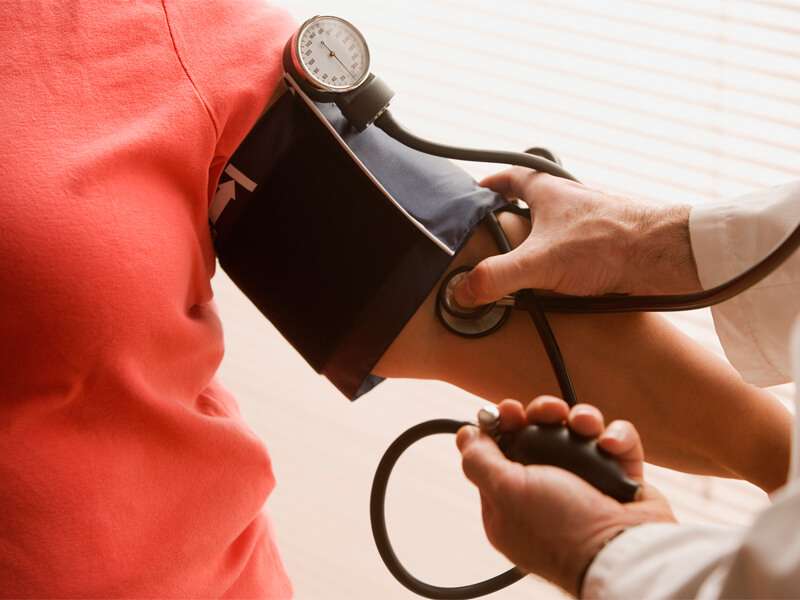
Asthma is a chronic respiratory condition characterized by airway inflammation that leads to difficulty breathing. Understanding and managing asthma is crucial for improving quality of life and reducing emergency situations.
- Individuals may experience symptoms such as wheezing, coughing, chest tightness, and shortness of breath.
- A spirometry test helps confirm the diagnosis by measuring lung function and airflow obstruction.
- Treatment often includes inhalers (both rescue and maintenance types) and avoiding identified triggers like allergens or smoke.
- Persistent education on self-management techniques plays a vital role in controlling asthma symptoms effectively.
- A collaborative approach between doctor and patient typically results in better outcomes over time.
With proper management plans, asthma sufferers can maintain active lifestyles with reduced flare-ups of their condition.
DIABETES MANAGEMENT

Diabetes is a chronic condition that occurs when the body cannot effectively use insulin, leading to elevated blood sugar levels. Proper management is essential to prevent serious health issues over time.
- Common symptoms include excessive thirst, frequent urination, and fatigue.
- The diagnosis typically involves blood tests that measure glucose levels over time.
- Management strategies include dietary modifications, regular physical activity, and insulin therapy or oral medications as needed.
- Continuous monitoring of blood sugar levels is crucial for optimal control.
- Patients can anticipate personalized care plans designed to suit their lifestyle and health goals.
With appropriate care, individuals with diabetes can lead healthy lives while managing their condition effectively.
HYPERTENSION

Hypertension, also known as high blood pressure, is a common condition that affects millions of individuals. It often goes unnoticed due to its subtle symptoms but can lead to serious health complications if left unmanaged.
- Symptoms may include headaches, dizziness, and shortness of breath.
- Diagnosis is typically made through regular blood pressure measurements during check-ups.
- Treatment options include lifestyle changes such as diet and exercise, alongside medications like diuretics or ACE inhibitors.
- Regular monitoring and adjustments in medication may be necessary for effective management.
- Patients should expect a comprehensive plan tailored to their specific health needs.
Early detection and consistent management are key in preventing long-term complications related to hypertension.