Dr Anita Jagasia
About Me
Dr Anita Jagasia
Internal Medicine
Biography
My Clinic
OPD Hours
| Monday | Morning | 10:00 AM | - | 02:00 PM |
| Evening | 06:00 PM | - | 09:00 PM | |
| Tuesday | Morning | 10:00 AM | - | 02:00 PM |
| Evening | 06:00 PM | - | 09:00 PM | |
| Wednesday | Morning | 10:00 AM | - | 02:00 PM |
| Evening | 06:00 PM | - | 09:00 PM | |
| Thursday | Morning | 10:00 AM | - | 02:00 PM |
| Evening | 06:00 PM | - | 09:00 PM | |
| Friday | Morning | 10:00 AM | - | 02:00 PM |
| Evening | 06:00 PM | - | 09:00 PM | |
| Saturday | Morning | 10:00 AM | - | 02:00 PM |
| Evening | 06:00 PM | - | 09:00 PM | |
| Sunday | Morning | 10:00 AM | - | 02:00 PM |
| Evening | 06:00 PM | - | 09:00 PM |
Treatments
Specialised care and treatments offered
GASTROENTEROLOGY & GI SURGERY

Gastroenterology and GI Surgery provide comprehensive medical and surgical care for diseases affecting the digestive system, including the esophagus, stomach, liver, pancreas, gallbladder, small intestine, colon, and rectum. The specialty focuses on diagnosing and treating a wide range of gastrointestinal disorders such as acid reflux (GERD), gastritis, peptic ulcers, liver diseases, hepatitis, fatty liver disease, gallstones, pancreatitis, inflammatory bowel disease (Crohn’s disease and ulcerative colitis), gastrointestinal bleeding, colorectal disorders, and digestive tract cancers.
COLONOSCOPY
Colonoscopy is a comprehensive screening and diagnostic procedure that allows detailed examination of the colon and rectum. Using a flexible camera-equipped colonoscope, gastroenterologists can detect abnormalities such as polyps, colorectal cancer, inflammatory bowel disease (IBD), diverticular disease, gastrointestinal bleeding, and other colorectal disorders. Colonoscopy is considered the gold standard for colorectal cancer screening and prevention because precancerous polyps can be identified and removed during the same procedure. It is commonly recommended for individuals with chronic constipation, persistent diarrhea, rectal bleeding, abdominal pain, unexplained anemia, family history of colorectal cancer, or other digestive symptoms. Early detection through colonoscopy enables timely treatment, reduces cancer risk, and promotes long-term digestive wellness. The procedure is safe, highly accurate, and plays a vital role in preventive healthcare.
ENDOSCOPY
Upper Gastrointestinal Endoscopy is a highly effective diagnostic and therapeutic procedure used to examine the esophagus, stomach, and duodenum. A thin, flexible tube equipped with a high-resolution camera is gently inserted through the mouth to provide detailed visualization of the upper digestive tract. Endoscopy is commonly recommended for patients experiencing symptoms such as acid reflux, heartburn, difficulty swallowing, abdominal pain, nausea, vomiting, gastrointestinal bleeding, and unexplained weight loss. The procedure helps diagnose conditions including gastritis, peptic ulcers, Barrett’s esophagus, esophageal disorders, infections, and upper GI cancers. In addition to diagnosis, endoscopy can be used to perform biopsies, remove foreign bodies, control bleeding, and treat various gastrointestinal conditions. Early diagnosis through endoscopy significantly improves treatment success and long-term digestive health.
ADVANCED LAPAROSCOPIC SURGERIES
Advanced Laparoscopic Surgery is a modern minimally invasive surgical approach that utilizes specialized instruments and high-definition cameras inserted through small incisions. This technique is widely used for gallbladder removal, hernia repair, appendectomy, colorectal surgery, gastrointestinal cancer surgery, and other abdominal procedures. Compared to traditional open surgery, laparoscopic procedures result in less pain, minimal blood loss, smaller scars, reduced risk of infection, shorter hospital stays, and quicker recovery times. Advanced laparoscopic techniques provide greater precision and improved surgical outcomes while ensuring maximum patient comfort. These procedures are performed by experienced GI surgeons using state-of-the-art technology to deliver safe and effective treatment for a wide range of digestive and abdominal disorders.
ERCP (ENDOSCOPIC RETROGRADE CHOLANGIOPANCREATOGRAPHY)

Endoscopic Retrograde Cholangiopancreatography (ERCP) is an advanced gastroenterology procedure used to diagnose and treat conditions affecting the bile ducts, pancreas, gallbladder, and liver. During the procedure, a flexible endoscope is passed through the mouth into the digestive tract, allowing the specialist to access the bile and pancreatic ducts. ERCP is commonly performed to remove bile duct stones, treat ductal blockages, manage strictures, place stents, and evaluate pancreatic disorders. This minimally invasive procedure helps patients avoid major surgery and provides effective relief from symptoms such as jaundice, abdominal pain, recurrent pancreatitis, and bile duct infections. ERCP plays a crucial role in the early diagnosis and treatment of complex hepatobiliary and pancreatic diseases, ensuring better patient outcomes and faster recovery.
DIAGNOSTIC AND OPERATIVE LAPAROSCOPY

A minimally invasive surgical procedure in which a laparoscope (a thin tube with a camera and light) and specialized surgical instruments are inserted through small incisions in the abdomen. The abdomen is inflated with gas to provide a clear view of the pelvic organs, including the uterus, fallopian tubes, and ovaries. It is used to diagnose and treat conditions such as ovarian cysts, endometriosis, ectopic pregnancy, pelvic adhesions, fibroids, infertility issues, and tubal disorders.
UPPER GASTROINTESTINAL ENDOSCOPY (EGD)

A minimally invasive diagnostic and therapeutic procedure in which a flexible tube with a camera (endoscope) is inserted through the mouth to examine the esophagus, stomach, and upper part of the small intestine (duodenum). It helps diagnose conditions such as acid reflux, ulcers, gastritis, gastrointestinal bleeding, swallowing difficulties, tumors, and infections. During the procedure, the physician can also perform treatments such as biopsy collection, bleeding control, polyp removal, foreign body removal, and dilation of narrowed areas.
MENSTRUAL DISORDERS MANAGEMENT

Menstrual disorders are conditions that affect the timing, flow, or comfort of periods.
They can impact daily life, fertility, and overall health. Management is personalized and
may include lifestyle changes, medicines, and minimally invasive or surgical procedures.
Common Types
- Irregular periods (Oligomenorrhea/Polymenorrhea): Cycles shorter than 21 days or longer than 35 days; may be linked to hormones, thyroid, stress, or PCOS.
- Heavy menstrual bleeding (Menorrhagia): Flow lasting >7 days or soaking pads/tampons frequently; often due to fibroids, polyps, or hormonal imbalance.
- Painful periods (Dysmenorrhea): Cramping/pelvic pain; may be primary (hormonal) or secondary (endometriosis, adenomyosis, fibroids).
- Absence of periods (Amenorrhea): Primary (no periods by age 15–16) or secondary (stopped for 3+ months); causes include PCOS, thyroid issues, excessive exercise, or premature ovarian insufficiency.
Diagnosis
- Detailed medical history and physical/pelvic examination
- Blood tests (thyroid, FSH/LH, prolactin, testosterone; iron profile if heavy bleeding)
- Pelvic ultrasound to assess fibroids, cysts, or polyps
- Pap smear and/or endometrial biopsy when indicated
Treatment Options
- Lifestyle: Stress management, balanced diet, regular exercise, weight optimization (especially for PCOS).
- Medications: NSAIDs for cramps; iron supplements for anemia; hormonal therapy (combined pills, progesterone, LNG-IUS, GnRH analogues); thyroid/insulin-targeted therapy when needed.
- Minimally invasive: Hysteroscopic polyp/fibroid removal, endometrial ablation for heavy bleeding, laparoscopy for endometriosis or cysts.
- Surgery (case-dependent): Myomectomy (fibroid removal) or hysterectomy (when fertility is not desired and other treatments have failed).
Goals of Care
- Normalize cycle pattern and flow
- Relieve pain and improve quality of life
- Treat underlying hormonal or structural causes
- Protect fertility where desired and prevent complications like anemia
When to Seek Care
- Very heavy bleeding, clots, or bleeding >7 days
- Severe cramps not relieved by OTC pain relief
- Cycles consistently irregular or absent
- Intermenstrual or postcoital bleeding
Note: Management is individualized after evaluation by a gynecologist.
Discuss your symptoms, family planning goals, and treatment preferences to choose the best option.
FAMILY PLANNING

VASCULAR DISEASES

Vascular Diseases encompass a range of conditions affecting the blood vessels, including peripheral artery disease (PAD), carotid artery disease, and venous disorders. Effective management aims to alleviate symptoms, prevent complications, and improve quality of life.
🩺 Lifestyle Modifications
Adopting a heart-healthy lifestyle is foundational in managing vascular diseases:
- Smoking Cessation: Quitting smoking is crucial, as tobacco use accelerates atherosclerosis and increases the risk of cardiovascular events .prathimahospitals.com
- Dietary Changes: Emphasizing fruits, vegetables, whole grains, and lean proteins while reducing saturated fats helps manage cholesterol levels and blood pressure.
- Regular Exercise: Engaging in physical activity improves circulation and overall vascular health.
- Weight Management: Maintaining a healthy weight reduces strain on the cardiovascular system.
💊 Medications
Pharmacological interventions are tailored to individual needs:
- Antiplatelet Agents: Medications like aspirin or clopidogrel help prevent blood clots, reducing the risk of heart attacks and strokes .
- Statins: These drugs lower cholesterol levels, stabilizing plaques and preventing vascular events.
- Antihypertensives: Controlling blood pressure with medications such as ACE inhibitors or beta-blockers is essential in managing vascular health.
- Diabetes Management: Maintaining blood sugar levels within target ranges reduces the risk of complications in diabetic patients with vascular issues.
🥠Surgical and Interventional Procedures
In advanced cases, surgical interventions may be necessary:
- Angioplasty and Stenting: A balloon is used to open narrowed arteries, and a stent may be placed to keep the artery open .
- Atherectomy: Plaque is removed from the arteries to restore blood flow.
- Bypass Surgery: A graft is used to reroute blood around blocked arteries.
- Endarterectomy: Surgical removal of fatty deposits from artery walls.
- Thrombolytic Therapy: Clot-dissolving drugs are administered to treat acute blockages
🩹 Wound Care and Compression Therapy
For conditions like venous ulcers or PAD-related wounds:
- Wound Care: Proper cleaning and dressing of ulcers promote healing.
- Compression Therapy: Using compression stockings helps reduce swelling and improve blood flow in venous diseases .
Conclusion
Managing vascular diseases requires a multifaceted approach, including lifestyle modifications, medications, and, when necessary, surgical interventions. Early detection and consistent management are key to preventing complications and enhancing quality of life. Regular check-ups and collaboration with healthcare providers are essential components of effective vascular disease management.
KIDNEY DISEASES

Kidney Diseases encompass a spectrum of conditions affecting kidney function, ranging from acute kidney injury (AKI) to chronic kidney disease (CKD). Effective management is crucial to prevent progression to end-stage renal disease (ESRD).
🩺 Treatment Approaches
1. Lifestyle Modifications
- Dietary Adjustments: Implementing a renal diet that limits sodium, phosphorus, potassium, and protein intake can alleviate kidney workload. This dietary approach helps manage electrolyte imbalances and reduces fluid retention .
- Hydration: Maintaining adequate fluid intake is essential, but in certain cases, fluid restrictions may be necessary to prevent fluid overload. Monitoring urine output and adjusting fluid intake accordingly is vital .
- Physical Activity: Engaging in regular exercise helps control blood pressure and improves overall health, which is beneficial for kidney function .
2. Pharmacological Interventions
- Blood Pressure Management: Angiotensin-converting enzyme (ACE) inhibitors and angiotensin II receptor blockers (ARBs) are commonly prescribed to control blood pressure and reduce proteinuria, thereby slowing CKD progression .
- Anemia Treatment: Erythropoiesis-stimulating agents (ESAs) and iron supplements are used to address anemia associated with CKD .
- Cholesterol Control: Statins may be recommended to manage elevated cholesterol levels, reducing cardiovascular risks in CKD patients .
3. Renal Replacement Therapy (RRT)
- Dialysis: Hemodialysis and peritoneal dialysis are employed when kidneys can no longer effectively filter waste products. Hemodialysis uses a machine to filter blood, while peritoneal dialysis uses the lining of the abdomen .
- Kidney Transplantation: A kidney transplant involves replacing a diseased kidney with a healthy one from a donor. This option is considered for eligible patients with ESRD .
4. Emerging Therapies
- Daprodustat: An oral medication approved for treating anemia due to CKD, offering an alternative to injectable ESAs .
Conclusion
Managing kidney disease requires a multifaceted approach, including lifestyle modifications, pharmacological treatments, and, when necessary, renal replacement therapies. Early detection and consistent management are key to preserving kidney function and improving patient outcomes. Regular monitoring and collaboration with healthcare providers are essential components of effective kidney disease management.
BREAST AND THYROID DISEASES

Breast Diseases
1. Breast Cancer
The most common malignancy among women globally, breast cancer originates in the breast cells, often presenting as lumps, changes in breast shape, or skin dimpling. Risk factors include age, family history, hormonal exposure, and lifestyle choices. Treatment modalities encompass surgery, chemotherapy, radiation therapy, and hormone therapy, tailored to cancer type and stage.
2. Benign Breast Conditions
These include fibroadenomas, cysts, and fibrocystic changes, which are non-cancerous but may cause discomfort or anxiety. Management often involves monitoring, aspiration of cysts, or surgical removal if necessary.
🩺 Thyroid Diseases
1. Hypothyroidism
Characterized by insufficient thyroid hormone production, leading to symptoms like fatigue, weight gain, and depression. Common causes include Hashimoto's thyroiditis and iodine deficiency. Treatment typically involves thyroid hormone replacement therapy.
2. Hyperthyroidism
An overactive thyroid produces excess hormones, causing symptoms such as weight loss, rapid heartbeat, and anxiety. Graves' disease is a common cause. Management options include antithyroid medications, radioactive iodine therapy, or surgery.
3. Thyroid Cancer
Although rare, thyroid cancer can occur, with papillary carcinoma being the most common type. Treatment usually involves surgical removal of the thyroid gland, followed by radioactive iodine therapy.
🔗 Interconnections Between Breast and Thyroid Diseases
Recent studies suggest a potential link between thyroid disorders and an increased risk of breast cancer. For instance, hyperthyroidism and autoimmune thyroid diseases like Hashimoto's thyroiditis have been associated with a higher incidence of breast cancer. Conversely, hypothyroidism may be linked to a reduced risk, though findings are inconsistent and require further investigation.
Additionally, patients with thyroid cancer may have an elevated risk of developing breast cancer, particularly if they have a family history of cancer or have undergone radiation therapy.
Conclusion
Understanding the relationship between breast and thyroid diseases is crucial for early detection and management. Patients with thyroid disorders should be monitored for breast health, and vice versa, to ensure comprehensive care. Regular screenings and consultations with healthcare providers are recommended for individuals at risk.
HEMORRHOIDS

Hemorrhoids
Conservative Measures:
- Dietary Modifications: Increase fiber intake to 25–35 grams per day to soften stools and reduce straining.
- Hydration: Drink ample fluids to prevent constipation.
- Sitz Baths: Soak the anal area in warm water for 10–15 minutes several times daily to alleviate pain and swelling.
- Topical Treatments: Use over-the-counter creams or ointments containing hydrocortisone or witch hazel for symptom relief.
Medical Interventions:
- Rubber Band Ligation: A small rubber band is placed around the base of the hemorrhoid to cut off blood supply, causing it to shrink and fall off.
- Sclerotherapy: Injection of a chemical solution into the hemorrhoid to shrink it.
- Infrared Coagulation: Use of infrared light to cause scarring and shrinkage of the hemorrhoid.
Surgical Options:
- Hemorrhoidectomy: Surgical removal of large or prolapsed hemorrhoids.
- Stapled Hemorrhoidopexy: Stapling technique to remove hemorrhoidal tissue and reposition prolapsed hemorrhoids.
🩺 Anal Fissures Treatment
Conservative Measures:
- Fiber-Rich Diet: Consume 18–30 grams of fiber daily to prevent constipation.
- Hydration: Adequate fluid intake to soften stools.
- Sitz Baths: Warm water soaks to relax the anal sphincter and promote healing.
- Topical Analgesics: Use of lidocaine ointment for pain relief.
Medical Treatments:
- Nitroglycerin Ointment: Applied to the anal area to increase blood flow and reduce sphincter pressure, aiding healing.
- Botox Injections: Botulinum toxin injection to relax the anal sphincter muscle.
- Calcium Channel Blockers: Topical application of nifedipine or diltiazem to relax the anal sphincter.
Surgical Intervention:
- Lateral Internal Sphincterotomy (LIS): Surgical procedure involving a small incision in the anal sphincter to relieve pressure and promote healing.
Both conditions can often be managed with lifestyle modifications and medical treatments. However, persistent or severe cases may require surgical intervention. Consultation with a healthcare provider is recommended for proper diagnosis and treatment planning.
GASTRO-INTESTINAL DISEASE

Gastrointestinal (GI) diseases encompass a wide range of conditions affecting the digestive system, including the esophagus, stomach, intestines, liver, and pancreas. These disorders can significantly impact daily life, causing symptoms such as abdominal pain, bloating, diarrhea, constipation, and nausea.
Common Gastrointestinal Disorders
- Gastroesophageal Reflux Disease (GERD): Characterized by chronic acid reflux, GERD leads to heartburn, chest pain, and regurgitation. It results from the backflow of stomach contents into the esophagus due to a weakened lower esophageal sphincter. Management includes lifestyle modifications, medications like proton pump inhibitors, and, in severe cases, surgery.
- Irritable Bowel Syndrome (IBS): A functional GI disorder causing symptoms like abdominal cramps, bloating, and alternating diarrhea and constipation. The exact cause remains unknown, but stress and diet can trigger symptoms. Treatment focuses on dietary changes, stress management, and medications to alleviate symptoms.
- Inflammatory Bowel Disease (IBD): Includes Crohn's disease and ulcerative colitis, conditions characterized by chronic inflammation of the gastrointestinal tract. Symptoms encompass persistent diarrhea, abdominal pain, fatigue, and weight loss. Treatment may involve anti-inflammatory drugs, immune system suppressors, and sometimes surgery.
- Peptic Ulcer Disease: Caused by the erosion of the stomach lining or the upper part of the small intestine, leading to sores or ulcers. Symptoms include stomach pain, bloating, and indigestion. Treatment typically involves antibiotics for H. pylori infection and medications to reduce stomach acid.
- Celiac Disease: An autoimmune disorder where ingestion of gluten damages the small intestine lining, leading to malabsorption of nutrients. Symptoms vary widely and can include diarrhea, weight loss, and fatigue. The primary treatment is a strict, lifelong gluten-free diet.
Diagnosis and Treatment
Diagnosis of GI diseases often involves a combination of medical history review, physical examination, laboratory tests, imaging studies, and endoscopic procedures. Treatment strategies are tailored to the specific condition and may include dietary modifications, medications, and in some cases, surgical interventions.
Conclusion
Gastrointestinal diseases are prevalent and can range from mild to severe. Early diagnosis and appropriate management are crucial for improving quality of life and preventing complications. If you experience persistent digestive symptoms, consult a healthcare professional for evaluation and personalized treatment.
HERNIA

A Hernia occurs when an internal organ or tissue bulges through a weak spot in the abdominal wall, often causing pain or discomfort. While some small, asymptomatic hernias may be managed conservatively, surgical intervention is typically recommended for symptomatic or complicated cases.
Surgical Options
- Open Hernia Repair: This traditional method involves making a single incision at the hernia site to reposition the protruding tissue and reinforce the abdominal wall, usually with a synthetic mesh. It's effective for various hernia types but may require a longer recovery period.
- Laparoscopic (Minimally Invasive) Repair: Utilizing several small incisions, this technique involves inserting a camera and instruments to repair the hernia. It offers benefits like reduced pain, shorter hospital stays, and quicker recovery. Laparoscopic repair is often preferred for bilateral or recurrent hernias.
- Robotic-Assisted Surgery: An advanced form of laparoscopic surgery, robotic-assisted procedures provide enhanced precision and control. The surgeon operates robotic arms while viewing a 3D magnified image, improving outcomes, especially in complex or large hernias.
Conservative Management
For small, asymptomatic hernias, a "watchful waiting" approach may be advised. This involves monitoring the hernia for any changes or worsening symptoms over time. Lifestyle modifications, such as avoiding heavy lifting and maintaining a healthy weight, can help manage symptoms.
Conclusion
The choice of treatment depends on the hernia's type, size, and location and the patient's overall health. Consulting with a healthcare professional is essential to determine the most appropriate treatment plan.
UROLOGY

Urology is a medical specialty focusing on the diagnosis and treatment of conditions affecting the urinary tract and male reproductive organs. Urologists manage a wide range of disorders, including urinary tract infections (UTIs), kidney stones, benign prostatic hyperplasia (BPH), prostate cancer, erectile dysfunction, and incontinence.
Common Urological Treatments
- Medications: Alpha-blockers and 5-alpha-reductase inhibitors are commonly prescribed to manage BPH symptoms by relaxing prostate muscles and reducing gland size.
- Minimally Invasive Procedures:
- Transurethral Microwave Thermotherapy (TUMT): Utilizes microwave energy to shrink prostate tissue, alleviating BPH symptoms.
- Prostatic Artery Embolization (PAE): A non-surgical technique that blocks blood flow to the prostate, leading to its shrinkage.
- Surgical Interventions:
- Transurethral Resection of the Prostate (TURP): A standard procedure for BPH involving the removal of prostate tissue through the urethra.
- Prostatectomy: Surgical removal of all or part of the prostate gland, often performed for prostate cancer.
- Neuromodulation Therapy:
- Percutaneous Tibial Nerve Stimulation (PTNS): A minimally invasive procedure that stimulates nerves controlling the bladder, effective for overactive bladder symptoms.
GENERAL SURGERY

General surgery is a medical specialty that focuses on surgical treatment of conditions affecting the abdomen, digestive tract, skin, soft tissues, and endocrine system. It includes both elective and emergency procedures, often performed using advanced techniques such as laparoscopy (keyhole surgery) and robotic-assisted systems.
Common General Surgical Treatments:
- Appendectomy: Surgical removal of an inflamed appendix, commonly due to appendicitis. This is often an emergency procedure.
- Cholecystectomy: Removal of the gallbladder, typically performed to treat gallstones or gallbladder infection.
- Hernia Repair: Fixes abdominal wall hernias using sutures or surgical mesh, done through open or laparoscopic techniques.
- Bowel Resection: Removal of a diseased part of the intestine, often necessary for cancer, Crohn’s disease, or obstruction.
- Mastectomy: Surgical removal of one or both breasts, usually as a treatment for breast cancer.
- Thyroidectomy: Partial or total removal of the thyroid gland to treat thyroid disorders or cancer.
Modern Techniques:
Minimally invasive surgery, such as laparoscopic and robotic surgery, uses small incisions, reducing recovery time, pain, and hospital stay. These approaches are increasingly preferred due to lower risk of complications.
Postoperative Care:
Recovery varies by procedure but usually includes pain management, wound care, mobility exercises, and follow-up visits. Lifestyle changes and medications may be recommended to support long-term healing.
STONE DISEASES

Stone diseases, particularly kidney stones, require treatment based on the type, size, and location of the stone, as well as the severity of symptoms. Small stones often pass naturally through the urinary tract with increased fluid intake. Drinking 2–3 liters of water daily helps dilute the urine, making it easier for small stones to pass. Pain can be managed with over-the-counter medications like ibuprofen or prescribed painkillers.
For larger or symptomatic stones, medical intervention may be necessary. Medications such as alpha-blockers (e.g., tamsulosin) can relax the muscles in the ureter, aiding stone passage. Uric acid stones may dissolve with urine alkalinization using potassium citrate or sodium bicarbonate.
VACCINATION & CHECK-UP

Vaccinations and regular check-ups are essential parts of pediatric care, protecting children from serious illnesses and ensuring healthy development. Pediatricians follow immunization schedules to provide timely protection against diseases like measles, polio, and whooping cough. Routine check-ups allow for monitoring of growth, development, and early detection of potential health issues. These visits also give parents an opportunity to discuss nutrition, behavior, sleep, and safety. Through vaccinations and consistent medical evaluations, pediatricians help build a strong foundation for lifelong health and well-being. Preventive care not only keeps children safe but also supports their physical and emotional development.
INFECTIOUS DISEASES

Expertise in managing acute respiratory infections, pneumonia, bronchiolitis, typhoid fever, urinary infection, diarrhoea, fungal skin infections, sepsis/ blood infection, viral infections like chicken pox, measles, viral hepatitis, mumps, child with rash etc
GROWTH AND DEVELOPMENT

Growth and development are key indicators of a child's overall health and well-being. For pediatricians, monitoring these aspects involves assessing physical milestones such as height, weight, and head circumference, as well as developmental progress in motor skills, language, cognition, and social interaction. Regular check-ups help identify any delays or concerns early, allowing for timely interventions. Growth charts, developmental screenings, and parental guidance are essential tools in this process. By supporting optimal growth and development, pediatricians play a vital role in ensuring children reach their full potential both physically and mentally. Early detection and holistic care are crucial for lifelong health.
GROWTH AND DEVELOPMENT

Growth and development are key indicators of a child's overall health and well-being. For pediatricians, monitoring these aspects involves assessing physical milestones such as height, weight, and head circumference, as well as developmental progress in motor skills, language, cognition, and social interaction. Regular check-ups help identify any delays or concerns early, allowing for timely interventions. Growth charts, developmental screenings, and parental guidance are essential tools in this process. By supporting optimal growth and development, pediatricians play a vital role in ensuring children reach their full potential both physically and mentally. Early detection and holistic care are crucial for lifelong health.
PAEDIATRIC PAIN MEDICINE SPECIALIST
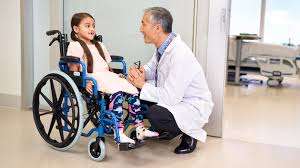
INTERVENTIONAL PAIN MANAGEMENT
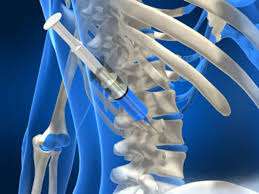
SPINAL PAIN MANAGEMENT
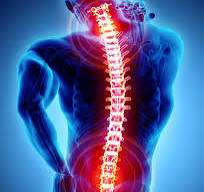
PRIMARY IMMUNODEFICIENCY DISORDERS

Primary Immunodeficiency Disorders (PIDDs) are a group of more than 400 rare, chronic genetic conditions in which the body's immune system does not function properly. These disorders are typically inherited and present from birth, although symptoms may not become apparent until later in life. PIDDs affect various components of the immune system, resulting in increased susceptibility to recurrent, severe, or unusual infections. In addition to infections, affected individuals may experience autoimmune diseases, chronic inflammation, allergies, and an increased risk of certain cancers. Common examples of primary immunodeficiency disorders include Selective IgA Deficiency, Common Variable Immunodeficiency (CVID), Severe Combined Immunodeficiency (SCID), Chronic Granulomatous Disease (CGD), and DiGeorge Syndrome. Diagnosis usually involves detailed clinical evaluation, immunological testing, measurement of antibody levels, assessment of immune cell function, and genetic testing. Treatment may include immunoglobulin replacement therapy, preventive antibiotics, infection management, immune-modulating therapies, and, in severe cases, hematopoietic stem cell (bone marrow) transplantation. Early diagnosis and appropriate medical care can significantly improve quality of life and long-term outcomes for individuals with primary immunodeficiency disorders.
BIOLOGICS

Biologic therapies are advanced medications derived from living organisms that are designed to target specific components of the immune system involved in allergic and inflammatory diseases. Unlike traditional medications that broadly suppress immune activity, biologics work by blocking particular molecules, cells, or pathways responsible for causing inflammation and allergic reactions. These therapies are commonly used in patients with moderate-to-severe conditions that do not respond adequately to conventional treatments. In the field of Allergy and Immunology, biologics are widely used for the management of severe allergic asthma, eosinophilic asthma, chronic rhinosinusitis with nasal polyps, atopic dermatitis (eczema), and chronic spontaneous urticaria (hives). Common biologic agents include Omalizumab, which targets Immunoglobulin E (IgE); Mepolizumab, Reslizumab, and Benralizumab, which reduce eosinophil levels; and Dupilumab, which blocks key inflammatory pathways involving interleukin-4 and interleukin-13. These targeted treatments can significantly improve symptom control, reduce disease flare-ups, decrease dependence on corticosteroids, and enhance quality of life. Although biologic therapies are highly effective for selected patients, they require careful evaluation and monitoring by an Allergist or Clinical Immunologist to ensure appropriate use, safety, and optimal treatment outcomes.
IMMUNOTHERAPY
Immunotherapy is an advanced treatment approach that harnesses and enhances the body's natural immune system to identify, target, and eliminate abnormal cells. In the field of Allergy and Immunology, immunotherapy primarily refers to treatments that modify the immune response to allergens, helping reduce sensitivity and providing long-term relief from allergic conditions. It is commonly used for allergic rhinitis, allergic asthma, insect venom allergies, and certain environmental allergies. Immunotherapy works by gradually exposing the immune system to controlled amounts of allergens, enabling the body to develop tolerance and reducing the severity of allergic reactions over time. Treatment may be administered through allergy shots (subcutaneous immunotherapy) or allergy tablets and drops (sublingual immunotherapy). In addition to allergy management, immunotherapy also plays an important role in treating certain immune-mediated and inflammatory conditions through targeted biological therapies. By addressing the underlying immune mechanisms rather than simply controlling symptoms, immunotherapy can provide long-lasting benefits, reduce medication dependence, improve quality of life, and help prevent the progression of allergic diseases. Treatment plans are individualized and carefully monitored by an Allergist or Clinical Immunologist to ensure safety and effectiveness.
INSULIN THERAPY
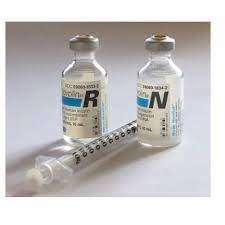
Insulin therapy is a critical part of treatment for people with type 1 diabetes and some people with type 2 diabetes. Insulin is a hormone that regulates the amount of glucose (sugar) in the blood. People with type 1 diabetes don't produce insulin because the body's immune system attacks and destroys the cells in the pancreas that produce insulin. People with type 2 diabetes don't respond to insulin as well as they should and in later stages often don't make enough insulin.
Here are the primary types of insulin, categorized by how long they work in the body:
1. Rapid-acting insulin: This type starts to work shortly after injection and lasts for a few hours. Examples include insulin lispro (Humalog), insulin aspart (NovoLog), and insulin glulisine (Apidra).
2. Short-acting insulin: This type of insulin starts to work within 30 minutes after injection and lasts 6 to 8 hours. Regular or R insulin (Humulin R, Novolin R) is an example.
3. Intermediate-acting insulin: The effects of this type of insulin last approximately 12 to 18 hours. Insulin isophane, also known as NPH insulin (Humulin N, Novolin N), is an example.
4. Long-acting insulin: This type of insulin is released slowly over 24 hours. Examples include insulin glargine (Lantus, Toujeo) and insulin detemir (Levemir).
5. Ultra long-acting insulin: This type of insulin starts working after several hours after injection and lasts longer than 24 hours. Insulin degludec (Tresiba) is an example.
The choice of insulin type and regimen (when to take each dose, how many daily doses, etc.) is individualized based on factors such as the type of diabetes, the person's lifestyle (meal timing, physical activity), the need to control weight, the person's age, and the presence of other health conditions.
It's important to monitor blood glucose levels regularly when on insulin therapy, to ensure that the insulin is keeping blood glucose in the desired range, and to adjust insulin doses if necessary.
Insulin therapy needs to be accompanied by a balanced diet and regular physical activity. Additionally, because insulin can cause low blood sugar, individuals on insulin therapy need to know how to treat hypoglycemia (low blood sugar).
MEDICATION

The medication a diabetologist prescribes will depend on the type of diabetes, the patient's blood sugar levels, their overall health, and other factors.
Below are some common classes of diabetes medications:
1. Insulin: All people with type 1 diabetes and some with type 2 diabetes need insulin, which is a hormone that regulates blood sugar levels. There are different types of insulin, including rapid-acting, short-acting, intermediate-acting, and long-acting insulin.
2. Metformin (Biguanides): Metformin is often the first medication prescribed for type 2 diabetes. It works by decreasing glucose production by the liver and increasing the insulin sensitivity of body tissues.
3. Sulfonylureas: These medications stimulate the pancreas to produce and release more insulin. Examples include glipizide, glyburide, and glimepiride.
4. Meglitinides: These medications, such as repaglinide and nateglinide, work like sulfonylureas by stimulating the pancreas to secrete more insulin, but they're faster acting, and the duration of their effect in the body is shorter.
5. Thiazolidinediones: Like metformin, these medications—such as rosiglitazone and pioglitazone—make the body's tissues more sensitive to insulin.
6. DPP-4 inhibitors: These medications—such as sitagliptin, saxagliptin, and linagliptin—help reduce blood sugar levels but tend to have a minimal effect on weight.
7. GLP-1 receptor agonists: These injectable medications slow digestion and improve blood sugar levels. Examples include exenatide, liraglutide, and dulaglutide.
8. SGLT2 inhibitors: These are a new class of diabetic medications indicated only for type 2 diabetes. They work by preventing the kidneys from reabsorbing glucose into the blood.
The medication or combination of medications that works best will depend on the patient's individual situation. It's also important to note that medication is just one aspect of diabetes treatment.
Diet, exercise, and weight control also play crucial roles. Patients should work closely with their diabetologist or other healthcare providers to manage diabetes effectively.
MEDICAL NUTRITION THERAPY

Medical Nutrition Therapy (MNT) is a therapeutic approach to treating medical conditions and their associated symptoms through the use of a specifically tailored diet devised and monitored by a registered dietitian nutritionist (RDN). The therapy aims at fixing nutritional deficiencies and promoting a healthy diet and lifestyle.
MNT involves an in-depth review of what you eat and your eating habits, a thorough review of your nutritional health, and a personalized nutrition treatment plan. It usually includes:
1. Nutrition Assessment: The dietitian reviews your medical history, dietary habits, lifestyle, and more to identify nutritional deficiencies or areas of improvement.
2. Nutrition Diagnosis: Based on the assessment, the dietitian will diagnose any nutrition-related problems you may have.
3. Nutrition Intervention: The dietitian creates a personalized eating plan that addresses your nutritional needs and includes education, meal planning, and lifestyle counseling.
4. Nutrition Monitoring and Evaluation: Your progress is regularly monitored and your plan is adjusted as needed.
MNT can be used to manage a wide variety of health conditions including, but not limited to:
- Diabetes
- Heart diseases
- Hypertension
- High cholesterol
- Kidney disease
- Celiac disease
- Certain types of cancer
- Obesity and weight management issues
- Digestive disorders
- Food allergies and intolerances
MNT should be conducted by a registered dietitian or a professional healthcare provider specializing in dietary and nutritional aspects. If you're considering MNT, it's important to consult with your doctor or a dietitian to ensure the therapy aligns with your overall treatment plan and health goals.
MEAL PLANNING

Meal planning is the process of thinking through and organizing your meals ahead of time. It can range from planning dinner for the week to planning breakfast, lunch, and dinner for an entire month or longer. Here are some steps to help with meal planning:
1. Evaluate Your Schedule: Look at your week ahead and identify how many meals you'll need, considering your schedule and when you'll have time to cook.
2. Choose Your Recipes: Decide on which recipes you'd like to prepare. Consider using recipes that can be prepared in large batches and can provide leftovers for additional meals. Also, try to choose recipes that share ingredients to minimize waste and cost.
3. Make a Shopping List: Once you've decided on your recipes, create a shopping list of the ingredients you'll need. Organize your list by grocery store sections (produce, meats, dairy, etc.) for a smoother shopping experience.
4. Shop for Ingredients: Go grocery shopping for everything you'll need for the week.
5. Prep Your Meals: Depending on your schedule, you may choose to prepare all your meals at once, or prepare the components of your meals to make cooking faster on busy nights. This could include washing and chopping vegetables, marinating proteins, or cooking whole grains.
6. Store Your Meals Properly: Use quality containers to store your prepped meals or ingredients. Make sure to store items in the right place (pantry, fridge, or freezer) to maximize their freshness.
7. Enjoy Stress-Free Meals: With everything prepped and planned, you can enjoy your meals without the usual stress and hassle.
Meal planning has several benefits: -
- Saves Time and Reduces Stress: When your meals for the week are planned out, you don't have to spend time each day deciding what to cook.
- Promotes Healthy Eating: When you plan your meals, you can ensure they are balanced and nutritious.
- Saves Money: Meal planning reduces impulse buys and take-out, and allows you to buy in bulk and use all your ingredients.
- Reduces Food Waste: By planning how to use all the ingredients you buy, you can significantly reduce food waste.
NUTRITIONAL COUNSELING

Nutritional counseling is a type of assessment in which a health professional, usually a registered dietitian, works with an individual to assess his or her dietary intake and identify areas where change is needed. Nutritional counseling can be beneficial for individuals with various health conditions, such as diabetes, high blood pressure, high cholesterol, obesity, or those undergoing treatment for cancer. It can also be helpful for people with food allergies or intolerances, women who are pregnant or trying to get pregnant, and athletes.
The goal of nutritional counseling is to help individuals make and maintain dietary changes. For example, a dietitian might help a patient with diabetes to select foods that keep blood sugar levels more stable. They might also educate a patient about how to read and understand food labels, manage portion sizes, or plan meals and snacks.
A typical nutritional counseling session might involve: -
- An assessment of the individual's nutritional needs based on their health goals, lifestyle, and preferences.
- An evaluation of the individual's current diet.
- Guidance on an appropriate meal plan, including portion sizes, food groupings, and nutritional content.
- Providing education on how to stick with the meal plan and make appropriate choices.
- Strategies for maintaining the changes, including dealing with obstacles like dining out or holiday meals.
- Follow-up sessions to monitor progress and make necessary adjustments to the meal plan.
ROUTINE FOOT CARE
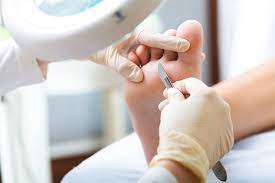
Routine foot care is essential for maintaining healthy feet, preventing foot problems, and ensuring overall comfort while walking or standing. Here are some recommendations for routine foot care:
1. Cleaning: Wash your feet daily with warm water and mild soap. Make sure to clean between your toes as this area can be a breeding ground for bacteria.
2. Dry Thoroughly: After washing, thoroughly dry your feet, especially between the toes, to prevent fungal infections such as athlete's foot.
3. Moisturize: Apply a good foot cream or moisturizer to keep the skin of your feet soft and hydrated. Avoid applying cream between your toes, as this can encourage fungal growth.
4. Trim Toenails: Cut your toenails straight across and not too short. Cutting too down the sides or too short can lead to ingrown toenails.
5. Footwear: Wear comfortable, well-fitted shoes that offer good support and enough room for your toes. Avoid wearing high heels or pointed shoes for long periods. Change socks daily, and choose breathable materials such as cotton or wool.
6. Inspect Your Feet: Regularly check your feet for any changes or issues such as cuts, blisters, redness, swelling, or nail problems. This is particularly important for people with diabetes, who can have reduced sensation in their feet and may not notice injuries or sores.
7. Exercise: Regular physical activity can help maintain good blood flow to your feet and keep your weight under control, which reduces pressure on your feet.
8. Avoid Going Barefoot: To prevent injury or infection, avoid going barefoot, especially in public places such as swimming pools or showers, where fungal infections can spread.
9. Seek Medical Attention: If you notice any problems such as persistent pain, redness, swelling, or changes in skin color or temperature, see a healthcare professional or a podiatrist for evaluation.
Remember, healthy feet are vital for mobility and performing everyday activities comfortably. Regular foot care can help prevent many common foot problems.
SURGERY
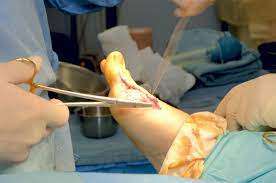
Podiatrists are trained to perform various types of foot and ankle surgeries to treat a range of conditions.
Some of the surgeries that a podiatrist might perform include:
1. Bunion Surgery: Bunions are bony bumps that form at the base of the big toe. If a bunion is causing significant pain or affecting mobility, a podiatrist might perform surgery to realign the bone, ligaments, tendons, and nerves so that the big toe can be brought back to its correct position.
2. Hammertoe Surgery: Hammertoe is a deformity where one or both joints of the second, third, fourth or fifth toes begin to bend outside of their normal alignment. Surgery can be used to straighten the toe if conservative treatments are not effective.
3. Plantar Fasciitis Surgery: In cases where conservative treatments don't relieve the pain caused by plantar fasciitis, surgery may be considered. The surgery involves releasing part of the plantar fascia ligament to relieve tension.
4. Ankle Surgery: This could include ankle arthroscopy, where small incisions are made to insert a camera and instruments into the ankle to diagnose and treat various conditions. Ankle surgery might also involve the repair of a torn or ruptured Achilles tendon.
5. Morton's Neuroma Surgery: Morton's neuroma is a painful condition that affects the ball of the foot, most commonly the area between the third and fourth toes. Surgery might involve removing the neuroma or cutting nearby structures, such as the ligament that binds together some of the bones in the front of the foot.
6. Surgery to Treat Fractures or Breaks: Podiatrists can perform surgery to repair broken bones in the foot and ankle. This might involve using pins, screws, or plates to hold the bones in place while they heal. These are just a few examples.
The specific surgical procedure will depend on the patient's condition and overall health. As with all surgeries, foot and ankle surgeries carry risks, including infection, nerve damage, and complications from anesthesia.
Therefore, surgery is typically considered only when non-surgical treatments haven't been effective, and the expected benefits outweigh the risks.
NONSURGICAL TREATMENTS
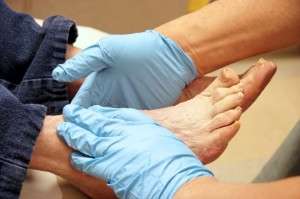
A podiatrist is a healthcare professional who specializes in diagnosing and treating conditions of the foot, ankle, and related structures of the leg. Podiatrists can offer a variety of non-surgical treatments to address foot and ankle problems.
Here are some examples:
1. Orthotics: These are custom-made shoe inserts designed to support and comfort the feet. They can be used to treat a variety of foot conditions, including flat feet, heel spurs, plantar fasciitis, and more.
2. Medications: Podiatrists can prescribe medications to manage pain, inflammation, infections, or other conditions affecting the feet.
3. Physical Therapy: Physical therapy can help strengthen the foot and ankle, improve balance, and teach patients how to manage and prevent foot problems.
4. Casting or Splinting: For certain types of foot or ankle injuries, a cast or splint may be applied to provide support and aid healing.
5. Corticosteroid Injections: These injections can help reduce inflammation and pain in the foot and ankle. They're often used to treat conditions like plantar fasciitis or arthritis.
6. Wound Care: For patients with ulcers or other wounds on their feet—commonly seen in people with diabetes—podiatrists provide wound care and monitor healing.
7. Footwear Recommendations: A podiatrist can recommend appropriate footwear for various foot conditions and for overall foot health.
8. Lifestyle and Activity Recommendations: Podiatrists provide advice on exercise, weight management, and foot care to prevent or manage foot and ankle problems.
Remember, the specific treatment recommended by a podiatrist will depend on the individual patient's condition, overall health, and specific needs. Always consult with a healthcare provider before starting any new treatment.
LIFESTYLE RECOMMENDATIONS

Lifestyle recommendations can vary widely depending on the individual's specific health conditions, age, gender, and other factors.
However, some general recommendations for a healthier lifestyle include:
1. Balanced Diet: Maintain a balanced diet rich in fruits, vegetables, whole grains, lean protein, and healthy fats. Limit intake of processed foods, saturated and trans fats, sugar, and salt.
2. Physical Activity: Engage in regular physical activity. Adults should aim for at least 150 minutes of moderate-intensity aerobic activity or 75 minutes of vigorous-intensity activity, or an equivalent combination each week. Strength training exercises for all major muscle groups should be done at least twice a week.
3. Adequate Sleep: Ensure you get enough quality sleep. While the exact amount can vary, most adults need between 7 to 9 hours per night.
4. Hydration: Drink plenty of fluids daily, especially water. The amount may vary depending on age, sex, physical activity level, and overall health, but a general guideline is at least 8 cups of water a day.
5. Regular Check-ups: Regular health screenings can help detect potential health issues before they become serious.
6. Stress Management: Use stress management techniques, such as meditation, deep breathing, yoga, or other forms of mindfulness practices. Make time for hobbies and activities you enjoy.
7. Avoid Harmful Behaviors: Avoid smoking and limit alcohol consumption. The negative health effects of smoking are well-documented, and while moderate alcohol consumption may have some health benefits, excessive drinking can lead to serious health problems.
8. Healthy Body Weight: Maintain a healthy body weight. Overweight and obesity increase the risk for a number of health problems, including heart disease, diabetes, and certain cancers.
Remember, these are general recommendations, and individual needs may vary. Always consult with a healthcare provider or a registered dietitian before making significant changes to your diet, exercise, or general lifestyle, especially if you have chronic conditions or specific dietary needs.
PHYSICAL THERAPY OR PHYSIOTHERAPY
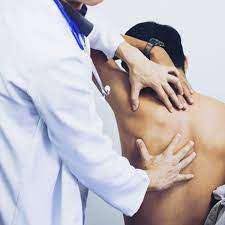
Physical therapy, also known as physiotherapy, is a healthcare profession dedicated to the assessment, maintenance, and restoration of the physical function and performance of the body. It is performed by physical therapists (PTs), who are experts in the movement and function of the body.
Physical therapy can help people of all ages who have medical conditions, illnesses, or injuries that limit their regular ability to move and function. The primary goal of physical therapy is to make daily tasks and activities easier and to make individuals more independent. It can also prevent further injury and improve overall health and well-being.
Physical therapy involves several key components:
1. Evaluation and Assessment: A physical therapist will begin by evaluating the patient's condition and understanding their health history. This could involve checking the patient's flexibility, strength, balance, coordination, posture, breathing, and motor function.
2. Setting Goals: Based on the evaluation, the PT will set personalized goals for the patient. These goals depend on the individual's specific needs and desired outcomes.
3. Treatment Plan: A treatment plan is designed to meet the patient's unique needs and can involve a variety of interventions, including exercises for flexibility, strength, and balance, manual therapy techniques, and the use of equipment like heat, ice, ultrasound, or electrical stimulation.
4. Education: Education is an integral part of physical therapy. PTs educate patients about their conditions, what the treatment will involve, and how they can manage their condition or injury at home.
Physical therapy can help manage a wide variety of conditions, including but not limited to: -
- Musculoskeletal conditions such as back pain, osteoarthritis, and fractures.
- Neurological conditions like stroke, spinal cord injuries, Parkinson's disease, and multiple sclerosis.
- Cardiovascular conditions like heart disease and rehabilitation after a heart attack.
- Pulmonary conditions such as chronic obstructive pulmonary disease (COPD) and cystic fibrosis.
- Pediatric conditions like developmental delays, cerebral palsy, and muscular dystrophy.
MEDICATION
The medication a rheumatologist may prescribe depends on the specific condition being treated, its severity, and the patient's overall health.
Below are some commonly prescribed medications in rheumatology:
1. Nonsteroidal Anti-Inflammatory Drugs (NSAIDs): NSAIDs like ibuprofen and naproxen can be used to reduce inflammation and alleviate pain in conditions such as rheumatoid arthritis and gout.
2. Corticosteroids: Drugs like prednisone can be used to reduce inflammation and suppress the immune system. They can be used in a variety of rheumatic conditions, including rheumatoid arthritis, lupus, and vasculitis.
3. Disease-Modifying Antirheumatic Drugs (DMARDs): These medications are often used in diseases like rheumatoid arthritis and lupus. They work by suppressing the body's immune response, thereby preventing it from attacking the joints. Methotrexate is a commonly used DMARD.
4. Biologics: These are a type of DMARD that target specific parts of the immune system. They can be used in conditions like rheumatoid arthritis, psoriatic arthritis, and ankylosing spondylitis. Examples include etanercept (Enbrel), infliximab (Remicade), and adalimumab (Humira).
5. Gout Medications: Drugs like colchicine, allopurinol, and febuxostat are used to manage gout. They work by either reducing inflammation during a gout attack or by lowering uric acid levels to prevent attacks.
6. Osteoporosis Medications: Drugs like bisphosphonates (alendronate, risedronate), calcitonin, and denosumab are used to slow bone loss and reduce the risk of fractures in osteoporosis.
These are just examples of the medications a rheumatologist may prescribe. It's important for patients to discuss the potential benefits, risks, and side effects of these medications with their doctor.
The rheumatologist will tailor the treatment plan to the individual patient's condition and needs.
Lastly, it's important to remember that medications are only one aspect of managing rheumatic conditions. Lifestyle changes, like regular exercise, a healthy diet, adequate sleep, stress management, and physical therapy, are also crucial parts of most treatment plans.
STEM CELL TRANSPLANT
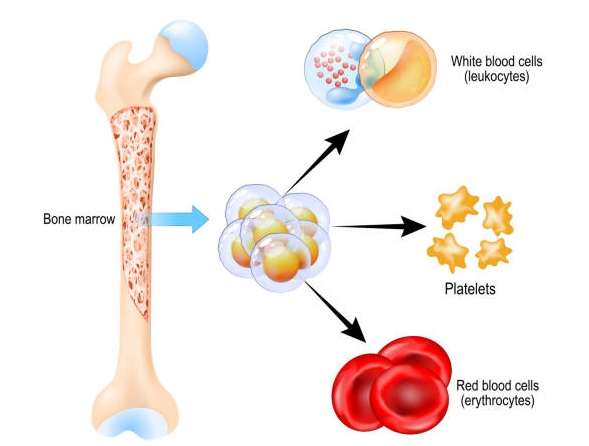
A stem cell transplant, also known as a bone marrow transplant, is a procedure that infuses healthy stem cells into the body to replace damaged or diseased bone marrow. Stem cells are the basic cells of the body that have the potential to develop into many different cell types during early life and growth. In certain cases, they can also repair the body by dividing indefinitely to replenish cells.
Stem cell transplants are used to treat conditions where the bone marrow doesn't work and can't produce healthy blood cells. This could be due to disease (like certain types of leukemia or lymphoma), congenital conditions (like sickle cell anemia or thalassemia), or specific high-dose cancer treatments that destroy the bone marrow along with the cancer cells.
There are two main types of stem cell transplants:
1. Autologous Transplant: This involves using the patient's own stem cells. The cells are harvested, or removed, from the patient before they undergo a treatment (like chemotherapy or radiation) that destroys their bone marrow. After treatment, the patient's stem cells are returned to their body to help their bone marrow start to produce new blood cells.
2. Allogeneic Transplant: This involves using stem cells from a donor. The donor could be a family member, an unrelated donor, or umbilical cord blood. For the transplant to be successful, certain markers on the donated cells (called human leukocyte antigen (HLA) markers) must match the markers on the patient's cells as closely as possible to minimize the risk of complications.
One potential risk in allogeneic transplants is a condition called graft-versus-host disease (GVHD), which occurs when the donor cells attack the patient's own cells as they would a foreign substance.
Recovery from a stem cell transplant can take several months, and the patient will need to be closely monitored for complications. The success of the transplant depends on a range of factors, including the type of disease being treated, the type of transplant, the patient's overall health, and how closely the donor's HLA markers match those of the patient.
HORMONE THERAPY
Hormone therapy, also known as hormonal therapy, endocrine therapy, or hormone-blocking therapy, is a type of treatment that focuses on using drugs to adjust the levels of certain hormones in the body. It's often used as a treatment for cancers that are sensitive to hormones, such as breast cancer and prostate cancer.
Here's how hormone therapy works for these two types of cancer:
1. Breast Cancer: Some breast cancers are fueled by the hormones estrogen and/or progesterone. Hormone therapy for breast cancer works by preventing these hormones from attaching to the cancer cells or by reducing the body's production of these hormones. Examples of drugs used in this therapy include Tamoxifen, which blocks estrogen from binding to cancer cells, and Aromatase inhibitors, which lower the amount of estrogen the body makes.
2. Prostate Cancer: Testosterone, a hormone produced primarily in the testes, can promote the growth of prostate cancer cells. Hormone therapy for prostate cancer works by blocking the production or action of testosterone. This is often achieved through medications known as LHRH agonists or antagonists, or through a surgical procedure known as orchiectomy, which removes the testes.
While hormone therapy can be very effective in treating certain types of cancer, it can also have side effects. These can include menopausal symptoms (like hot flashes and vaginal dryness) for women, and erectile dysfunction, hot flashes, and loss of muscle mass for men. It's important to note that hormone therapy is different from hormone replacement therapy (HRT), which is used to replace hormones that are at low levels due to menopause.
Apart from cancer treatment, hormone therapy can also be used for other conditions and purposes, such as gender-affirming hormone therapy for transgender individuals.
RADIATION THERAPY
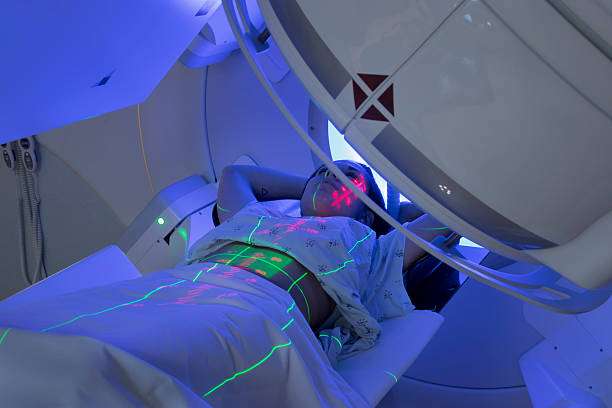
Radiation therapy, also known as radiotherapy, is a common method used to treat cancer. It uses high-energy particles or waves, such as X-rays, gamma rays, or proton beams, to destroy or damage cancer cells. It can be used alone or in conjunction with other treatments like surgery and chemotherapy.
Radiation therapy works by damaging the DNA within cancer cells, making them unable to divide and grow. While it aims to target cancer cells, it can also harm nearby healthy cells. However, normal cells can usually repair much of the radiation-induced damage, whereas cancer cells cannot.
There are two main types of radiation therapy:
1. External Beam Radiation Therapy (EBRT): This is the most common type and involves radiation being delivered from a machine positioned outside the body. The machine rotates around the patient, delivering radiation to the tumor site from several angles. The treatment is usually delivered over several sessions, with each session lasting just a few minutes.
2. Internal Radiation Therapy (Brachytherapy): This involves placing a small radioactive source directly into or near the tumor. The radioactive source can be left temporarily or permanently, depending on the type and stage of cancer being treated.
Radiation therapy can also be used in different contexts: -
Curative Treatment: It can be used with the intent to cure the cancer, either as a standalone treatment or in conjunction with other therapies.
Adjuvant Treatment: After the primary treatment like surgery, radiation therapy can be used to kill any remaining cancer cells.
Neoadjuvant Treatment: Radiation can be given before the primary treatment to shrink a tumor and make it easier to remove or treat.
Palliative Treatment: For advanced cancers, radiation therapy can be used to relieve symptoms caused by the cancer, such as pain or pressure.
The use of radiation therapy has to be carefully planned to maximize its effects on cancer cells and minimize damage to healthy cells. This involves detailed imaging studies to identify the exact location of the tumor and sophisticated computer programs to plan the radiation doses.
Side effects of radiation therapy can include fatigue, mild skin reactions, upset stomach, and loose bowel movements. Most side effects go away a few weeks after treatment is completed. Long-term side effects, which are rare, can include fibrosis, damage to the bowels, or secondary cancers.
CHEMOTHERAPY

Chemotherapy is a type of cancer treatment that uses drugs to destroy or slow down the growth of cancer cells. It is one of the most commonly used treatments for cancer and can be used alone or in combination with other therapies like surgery or radiation therapy.
The primary goal of chemotherapy is to target rapidly dividing cancer cells and prevent them from multiplying further. However, chemotherapy drugs can also affect normal, healthy cells that divide quickly, such as cells in the bone marrow, digestive system, and hair follicles. This is why chemotherapy is associated with side effects like hair loss, nausea, vomiting, fatigue, and an increased risk of infections.
There are various forms of chemotherapy, including:
1. Systemic Chemotherapy: This type of chemotherapy is administered through the bloodstream, and it can reach cancer cells throughout the body. It is often used for cancers that have spread or metastasized to other parts of the body. 2. Regional Chemotherapy: In this approach, chemotherapy is delivered directly to a specific area of the body, such as the abdomen or the chest cavity. This can be done through intraperitoneal or intrathoracic routes, respectively.
3. Adjuvant Chemotherapy: Adjuvant chemotherapy is given after the primary treatment, such as surgery, to reduce the risk of cancer recurrence.
4. Neoadjuvant Chemotherapy: Neoadjuvant chemotherapy is administered before the main treatment, such as surgery or radiation therapy, to shrink a tumor or make it easier to remove.
5. Palliative Chemotherapy: Palliative chemotherapy aims to relieve symptoms and improve the quality of life in patients with advanced or metastatic cancer. It does not cure cancer but can help control its growth and manage related symptoms.
The specific chemotherapy drugs used depend on the type of cancer being treated, its stage, the overall health of the patient, and other individual factors. Chemotherapy is typically given in cycles, with periods of treatment followed by periods of rest to allow the body to recover from the effects of the drugs.
While chemotherapy can be highly effective in treating certain types of cancer, it may not be the best treatment option for all cases. Oncologists carefully consider the potential benefits and risks of chemotherapy for each patient and may recommend other treatment approaches depending on the specific circumstances.
VENTRICULAR ASSIST DEVICE (VAD) IMPLANTATION
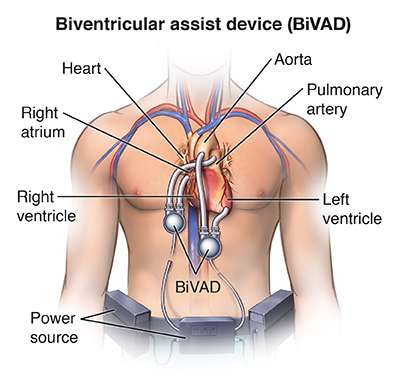
Ventricular Assist Device (VAD) implantation is a surgical procedure that involves the placement of a mechanical pump or device to assist the pumping function of a weakened or failing heart. VADs are primarily used as a bridge to heart transplantation or as destination therapy for patients who are not eligible for heart transplantation.
VAD implantation is considered for individuals with severe heart failure who have exhausted other treatment options and have a poor prognosis without intervention. A thorough evaluation is performed to assess the patient's overall health, heart function, and suitability for VAD therapy.
There are different types of VADs available, including:
- Left Ventricular Assist Device (LVAD): This device is implanted to assist the pumping function of the left ventricle, which is the main pumping chamber of the heart.
- Right Ventricular Assist Device (RVAD): In some cases, a separate device may be implanted to support the right ventricle's function.
- Biventricular Assist Device (BiVAD): This involves the implantation of both an LVAD and an RVAD to support both ventricles.
- Total Artificial Heart: In rare cases of severe biventricular failure, a total artificial heart may be implanted to replace both ventricles temporarily until a heart transplant becomes available.
The VAD implantation procedure is typically performed under general anesthesia. The surgeon makes an incision in the chest and places the device in the appropriate position, which can be in the abdomen or the chest cavity. Tubes are connected to the heart chambers to divert blood flow through the VAD. The VAD is then connected to an external power source and controller.
Following the surgery, the patient is closely monitored in the intensive care unit (ICU) to ensure proper functioning of the VAD, stability of the patient, and to manage any immediate complications. The patient may remain in the hospital for several weeks to receive specialized care and support during the recovery phase.
Once the patient is stable, a rehabilitation program may be initiated to promote physical recovery and help the patient regain strength. The patient and their caregivers also receive education and training on VAD management, including how to maintain and troubleshoot the device, manage medications, and recognize signs of potential complications.
After leaving the hospital, the patient continues to receive regular follow-up care from a specialized VAD team. This includes monitoring VAD function, managing medications, conducting routine tests, and addressing any issues or concerns that may arise.
Ventricular Assist Devices can significantly improve the quality of life and survival for individuals with advanced heart failure. While VADs can provide life-saving support, they are associated with certain risks and complications, such as bleeding, infection, device malfunction, blood clots, and complications related to the use of anticoagulant medications. Close monitoring and adherence to the VAD management plan are crucial for optimal outcomes.
The decision to undergo VAD implantation is made based on a careful assessment of the patient's specific condition, medical history, and overall health. It is a complex decision-making process that involves collaboration among the patient, the healthcare team, and the patient's family/support system.
HEART TRANSPLANTATION
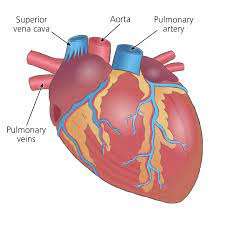
Heart transplantation is a surgical procedure in which a diseased or failing heart is replaced with a healthy heart from a deceased donor. It is performed on individuals with end-stage heart failure or severe heart conditions that cannot be effectively treated with other therapies.
Before a heart transplant, a comprehensive evaluation is conducted to assess the patient's overall health, heart function, and suitability for transplantation. This evaluation includes medical tests, imaging studies, blood work, and psychosocial assessments. If the patient meets the criteria, they are placed on a waiting list for a suitable donor heart.
When a suitable donor heart becomes available, a series of tests are performed to ensure compatibility and minimize the risk of rejection. The donor heart is transported to the recipient's hospital, and the surgical team prepares for the transplantation procedure. The recipient is placed under general anesthesia.
The surgical team makes an incision in the chest to access the heart. The recipient's diseased heart is removed, and the donor heart is carefully implanted and connected to the recipient's blood vessels, including the aorta and pulmonary artery. The new heart is then reconnected to the recipient's remaining heart structures, such as the remaining atria.
Once the new heart is in place, blood flow is restored to the transplanted heart, and the team ensures that the heart is functioning properly. The surgical team monitors the patient closely during this critical phase to ensure that the new heart is effectively pumping blood and that the recipient is stable.
After the surgery, the patient is transferred to the intensive care unit (ICU) for close monitoring. The recovery process involves a multidisciplinary team of healthcare professionals who provide post-transplant care, including monitoring for signs of organ rejection, managing immunosuppressive medications to prevent rejection, and addressing any complications that may arise.
Following the initial recovery period, the patient is transferred to a regular hospital room and eventually discharged. Rehabilitation plays a vital role in the patient's recovery, including physical therapy, cardiac rehabilitation, and lifestyle modifications to support heart health. Regular follow-up visits with the transplant team are essential to monitor the patient's heart function, manage medications, and address any issues or concerns.
Heart transplantation is a complex and life-saving procedure, but it is not without risks. The major risks include rejection of the transplanted heart, infection, complications from immunosuppressive medications, and the potential need for future transplant-related procedures.
However, heart transplantation has shown to significantly improve survival rates and quality of life for individuals with end-stage heart failure. The decision to undergo a heart transplant is made based on careful consideration of the patient's specific condition, medical history, and overall health, and it requires a collaborative approach involving the patient, the transplant team, and other healthcare professionals.
LUNG SURGERY
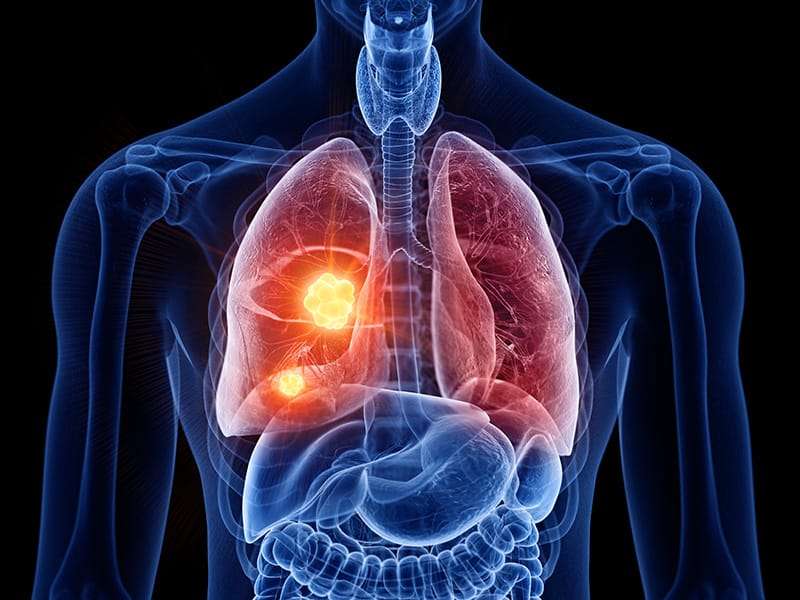
Lung surgery, also known as thoracic surgery, refers to surgical procedures performed on the lungs or other structures within the thoracic cavity. Lung surgery is often used to diagnose and treat various lung conditions, including lung cancer, lung infections, lung nodules, and certain lung diseases.
Lung surgery may be recommended for several reasons, including the removal of lung tumors (benign or malignant), treatment of lung infections (such as abscesses or empyema), management of lung conditions like bullae or lung cysts, and treatment of certain lung diseases like lung volume reduction surgery for advanced emphysema.
Prior to lung surgery, a thorough evaluation is conducted to assess the patient's overall health, lung function, and the extent of the lung condition. This evaluation may involve imaging studies (such as CT scans or PET scans), pulmonary function tests, blood work, and biopsies to determine the precise nature of any lung masses or nodules.
The surgical approach and incision depend on the specific procedure being performed. Traditional open surgery involves making an incision in the chest wall, often in the area between the ribs. Minimally invasive techniques, such as video-assisted thoracoscopic surgery (VATS), may be used, which involve smaller incisions and the use of specialized instruments and a video camera to access and visualize the lungs.
The specific surgical procedure depends on the underlying lung condition. Common lung surgeries include:
- Lobectomy: Removal of an entire lobe of the lung. This is often performed for lung cancer or certain benign lung conditions.
- Wedge Resection: Removal of a small, wedge-shaped portion of lung tissue. This may be performed for localized lung tumors or to remove lung nodules.
- Pneumonectomy: Removal of an entire lung. This is typically reserved for extensive lung tumors or in cases where one lung is severely damaged or infected.
- Segmentectomy: Removal of a specific segment of the lung. This procedure is performed when removing an entire lobe is not necessary, typically for smaller lung tumors or localized lung disease.
- Pleurodesis: A procedure to treat recurrent pleural effusion (fluid accumulation between the lungs and chest wall). It involves creating adhesions between the lung and chest wall to prevent fluid buildup.
Following lung surgery, patients typically require regular follow-up visits with their healthcare team. Rehabilitation and respiratory therapy may be recommended to aid in recovery and improve lung function. This may involve breathing exercises, physical activity, and guidance on lifestyle modifications to promote lung health.
It is important to note that lung surgery is a complex procedure and carries potential risks and complications, including bleeding, infection, blood clots, respiratory issues, and reactions to anesthesia. The specific approach and procedure chosen depend on the patient's condition, overall health, and the expertise of the surgical team. The decision to undergo lung surgery is made on an individual basis, weighing the potential benefits against the risks, and considering other
HEART VALVE REPAIR OR REPLACEMENT
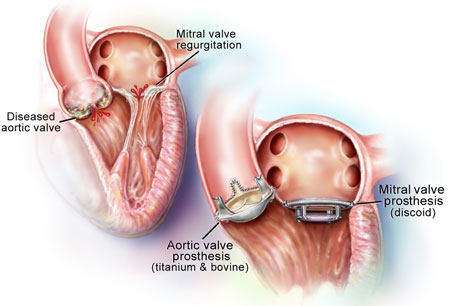
Heart valve repair or replacement is a surgical procedure performed to treat heart valve diseases that involve damage or dysfunction of one or more of the heart's valves. The procedure aims to restore proper valve function and improve overall heart function.
Here's an overview of heart valve repair or replacement:
Heart valve repair or replacement may be recommended for various conditions, including valvular stenosis (narrowing of the valve) or regurgitation (leakage of blood backward through the valve). Common valve conditions that may require intervention include aortic valve stenosis or regurgitation, mitral valve regurgitation or stenosis, tricuspid valve regurgitation, and pulmonic valve stenosis or regurgitation.
Before the procedure, a comprehensive evaluation is conducted, which may include echocardiography, cardiac catheterization, stress tests, and other imaging studies to assess the valve's structure and function, determine the severity of the disease, and evaluate overall heart function.
The surgeon evaluates the valve and determines whether repair or replacement is necessary. Valve repair involves techniques to preserve and restore the natural valve structure, such as removing excess tissue, repairing the valve leaflets, or reinforcing the valve with a prosthetic ring. Valve replacement involves removing the damaged valve and replacing it with a mechanical valve (made of synthetic materials) or a biological valve (made from human or animal tissue).
After repairing or replacing the valve, the surgeon tests the valve's function and closes the incisions. Temporary pacing wires may be left in place to monitor the heart's electrical activity during the recovery period.
Following the procedure, the patient is transferred to the intensive care unit (ICU) for close monitoring. Over the next few days, the patient gradually transitions to a regular hospital room. Physical therapy, breathing exercises, and medications are provided to promote healing and recovery.
The patient may need to take blood-thinning medications (in the case of mechanical valve replacement) or other medications to prevent infection or manage symptoms. Heart valve repair or replacement is a major surgical procedure, and like any surgery, it carries risks such as bleeding, infection, blood clots, or complications associated with anesthesia.
CORONARY ARTERY BYPASS GRAFTING (CABG)
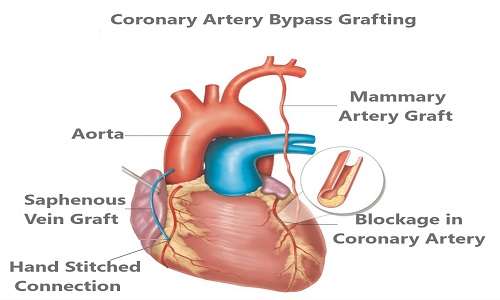
Coronary Artery Bypass Grafting (CABG) is a surgical procedure used to treat coronary artery disease (CAD), a condition characterized by the narrowing or blockage of the coronary arteries that supply blood to the heart muscle. CABG aims to restore normal blood flow to the heart by bypassing the blocked or narrowed arteries using grafts from other blood vessels.
Here's an overview of the CABG procedure:
1. Indications: CABG is typically recommended for individuals with severe coronary artery disease who experience symptoms such as chest pain (angina) or those who are at high risk of a heart attack. It is also considered for individuals with complex coronary artery blockages or when other treatments, such as medications or angioplasty, are not sufficient.
2. Preoperative Evaluation: Before undergoing CABG, a thorough evaluation is performed to assess the extent of coronary artery disease, heart function, and overall health. This evaluation may include tests such as angiography, stress tests, echocardiography, and blood work.
3. Anesthesia: CABG is performed under general anesthesia, meaning the patient is unconscious during the procedure. The anesthesiologist closely monitors vital signs and administers medications to ensure comfort and safety.
4. Incision and Exposure: The surgeon makes an incision in the middle of the chest (median sternotomy) to access the heart. Alternatively, minimally invasive techniques may be used, such as small incisions between the ribs (minithoracotomy) or robotic-assisted surgery.
5. Harvesting Grafts: Blood vessels are harvested from other parts of the body, typically the internal mammary artery from the chest wall and/or veins (saphenous veins) from the leg. These grafts will be used to bypass the blocked or narrowed coronary arteries.
6. Cardiopulmonary Bypass: To allow the surgeon to work on the heart, a heart-lung bypass machine is connected to the patient. The machine takes over the function of the heart and lungs, circulating and oxygenating blood throughout the body while the surgeon performs the bypass procedure.
7. Grafting: The surgeon carefully attaches the grafts to the coronary arteries, bypassing the blockages. The grafts serve as new pathways for blood to flow to the heart muscle, bypassing the diseased segments of the coronary arteries.
8. Conclusion: After completing the grafting, the surgeon verifies the grafts' function and closes the incisions. Temporary pacing wires may be left in place to monitor the heart's electrical activity during the recovery period.
9. Recovery: Following the procedure, the patient is transferred to the intensive care unit (ICU) for close monitoring. Over the next few days, the patient gradually transitions to a regular hospital room. Physical therapy, breathing exercises, and medications are provided to promote healing and recovery.
CABG is a major surgical procedure and, like any surgery, carries risks such as bleeding, infection, blood clots, and complications associated with anesthesia. However, it is a well-established procedure with a high success rate in relieving angina symptoms, improving quality of life, and prolonging survival in appropriate patients with severe coronary artery disease.
INTERVENTIONAL PROCEDURES

Interventional procedures are medical procedures that are performed using minimally invasive techniques to diagnose or treat various conditions. These procedures often involve the use of specialized instruments, imaging guidance, and small incisions or catheter insertions. They are typically performed by interventional radiologists, cardiologists, or other specialized physicians. Common interventional procedures include angiography and angioplasty, where angiography involves injecting a contrast dye into blood vessels to visualize their structure and identify abnormalities, while angioplasty is used to widen narrowed or blocked blood vessels using a balloon catheter to restore blood flow. Stent placement is another commonly performed procedure in which small mesh tubes are inserted into narrowed or blocked blood vessels to keep them open, particularly in patients with coronary artery disease, peripheral artery disease, and other vascular conditions. Biopsy procedures involve removing a small sample of tissue for examination and diagnosis, often using imaging guidance such as ultrasound or CT scans for precise targeting. Radiofrequency ablation utilizes heat generated by radiofrequency energy to destroy abnormal or cancerous cells and is frequently used for tumors of the liver, kidney, lung, or bone. Embolization is a technique used to block or reduce blood flow to specific areas by injecting embolic agents into blood vessels, making it effective for treating bleeding, tumors, and vascular malformations. Vertebroplasty and kyphoplasty are specialized procedures designed to stabilize fractured vertebrae by injecting bone cement into the affected spinal bones, thereby providing support and pain relief. Chemoembolization and radioembolization deliver chemotherapy drugs or radioactive particles directly into tumors or the blood vessels supplying them, offering targeted treatment for liver cancer and certain metastatic tumors. Drainage procedures are performed to remove fluid or pus from body cavities or abscesses, often with the assistance of image-guided catheter placement. Additionally, ablation procedures for arrhythmias, including radiofrequency ablation and cryoablation, are used to treat abnormal heart rhythms by selectively destroying abnormal electrical pathways within the heart.
YOGA AND MEDITATION

Yoga and meditation are practices that promote physical, mental, and spiritual well-being. While they are often associated with each other, they are distinct practices with different focuses.
Here's an overview of yoga and meditation:
1. Yoga: Yoga originated in ancient India and encompasses a range of physical, mental, and spiritual practices. It involves a combination of physical postures (asanas), breathing exercises (pranayama), meditation, and ethical principles. The primary goal of yoga is to achieve harmony and balance in the body, mind, and spirit.
Some key aspects of yoga include:
Physical Benefits: Yoga improves flexibility, strength, balance, and posture. It can also help with pain management, increase energy levels, and enhance overall physical fitness.
Mental and Emotional Benefits: Yoga helps reduce stress, anxiety, and depression. It promotes relaxation, mindfulness, and self-awareness, leading to improved mental well-being.
Spiritual Aspect: Yoga has a spiritual dimension, aiming to connect individuals with their inner self and a higher consciousness. It encourages self-reflection, introspection, and personal growth.
Styles and Traditions: There are various styles of yoga, such as Hatha, Vinyasa, Ashtanga, Bikram, and Kundalini, each with its own emphasis and approach. Additionally, different yoga traditions, such as Iyengar, Jivamukti, or Sivananda, may incorporate specific teachings and philosophies.
2. Meditation: Meditation is a practice that involves focusing the mind and inducing a state of deep relaxation and mental clarity. It can be done in various forms, including seated meditation, guided meditation, mindfulness meditation, and transcendental meditation. The main goal of meditation is to cultivate awareness, mindfulness, and a sense of inner calm.
Some key aspects of meditation include:
Mental Clarity: Regular meditation practice helps calm the mind, reduce racing thoughts, and improve concentration and focus.
Stress Reduction: Meditation is known to alleviate stress, anxiety, and emotional strain. It promotes a state of relaxation and enhances overall mental well-being.
Mindfulness: Many forms of meditation emphasize mindfulness, which involves paying attention to the present moment without judgment. This practice cultivates awareness and helps individuals develop a more positive and compassionate mindset.
Health Benefits: Meditation has been linked to various health benefits, including lowered blood pressure, improved immune function, better sleep, and reduced symptoms of certain conditions like chronic pain and depression.
Both yoga and meditation can be practiced individually or combined. Many yoga classes incorporate elements of meditation, such as breath awareness and mindfulness, during the practice. It's important to note that both yoga and meditation are personal journeys, and the benefits are often experienced gradually over time with consistent practice.
MASSAGE THERAPY

Massage therapy is a hands-on manipulation of soft tissues in the body to enhance a person's health and well-being. It has been practiced for thousands of years and is known for its healing and relaxation benefits.
Here are some key points about massage therapy:
1. Techniques and Modalities: Massage therapists use various techniques and modalities to address different conditions and client preferences. Some common techniques include Swedish massage, deep tissue massage, sports massage, and aromatherapy massage. Other modalities include hot stone massage, Thai massage, reflexology, and prenatal massage, among others.
2. Benefits: Massage therapy offers a range of physical and mental benefits. It can help relax muscles, reduce muscle tension, improve circulation, promote lymphatic drainage, alleviate pain and stiffness, enhance joint mobility, and boost the immune system. It is also known to reduce stress, anxiety, and depression, promote better sleep, and improve overall mental well-being.
3. Professional Practitioners: Massage therapy is typically performed by licensed and trained massage therapists. They undergo specific education and training to understand human anatomy, physiology, and the application of various massage techniques. It's essential to seek services from a qualified practitioner to ensure safety and effectiveness.
4. Settings: Massage therapy can be provided in various settings, including spas, wellness centers, clinics, hospitals, and even in-home sessions. The ambiance is often designed to create a soothing and relaxing environment, with soft lighting, calming music, and comfortable massage tables.
5. Individualized Approach: A skilled massage therapist will assess a client's specific needs, considering their medical history, current health condition, and personal preferences. This individualized approach helps tailor the massage session to address specific concerns and achieve optimal results.
6. Precautions and Contraindications: While massage therapy is generally safe and beneficial, there are some precautions and contraindications to consider. People with certain medical conditions such as fractures, open wounds, severe osteoporosis, deep vein thrombosis, contagious skin conditions, or those who are pregnant should consult with their healthcare provider before getting a massage. It's crucial to communicate openly with the therapist about any health concerns or discomfort during the session.
7. Regulations: Massage therapy is regulated differently in various countries and regions. In many places, practitioners are required to meet specific licensing or certification standards to ensure competency and professionalism. It's advisable to check the local regulations and seek services from licensed professionals.
Remember, massage therapy should not replace medical treatment for specific conditions but can be a valuable complement to a holistic approach to health and well-being. If you are interested in getting a massage, it's best to consult with a qualified massage therapist to determine the most suitable treatment for your needs.
PANCHAKARMA

Panchakarma is an Ayurvedic therapy that focuses on detoxifying and rejuvenating the body. It is a comprehensive system of purification techniques used in Ayurveda, a traditional Indian system of medicine. The term "Panchakarma" translates to "five actions" in Sanskrit, referring to the five main procedures involved in the therapy. These procedures aim to remove accumulated toxins, or "ama," from the body, restore balance to the doshas (vital energies), and promote overall well-being.
The five actions of Panchakarma are:
1. Vamana (Therapeutic Emesis): This procedure involves controlled vomiting induced through the administration of herbal medicines. It is used to eliminate excess Kapha dosha from the body, particularly from the respiratory and digestive systems.
2. Virechana (Purgation Therapy): Virechana is the process of cleansing the body by inducing controlled bowel movements. It helps remove excess Pitta dosha from the body, particularly from the liver and gallbladder.
3. Basti (Enema Therapy): Basti involves the administration of herbal decoctions and oils through the rectum. It is used to eliminate Vata dosha from the body and helps nourish and lubricate the colon, promoting detoxification and rejuvenation.
4. Nasya (Nasal Administration): Nasya involves the application of herbal oils, powders, or medicated liquids into the nostrils. It helps cleanse and rejuvenate the nasal passages, sinuses, and head, and is particularly beneficial for balancing Kapha and Vata doshas in the upper body.
5. Rakta Mokshana (Bloodletting): Rakta Mokshana is the process of removing impure blood from the body. It is performed in specific conditions and aims to cleanse the blood and treat diseases related to blood impurities.
Panchakarma is typically carried out in a specialized Ayurvedic clinic or hospital under the guidance of trained practitioners. The therapy is personalized based on an individual's dosha imbalance and specific health needs. Before undergoing Panchakarma, a preparatory phase called "Purvakarma" is often implemented, which includes oleation (external and internal oil application) and sudation (steam therapy) to prepare the body for detoxification.
Panchakarma is not only used as a therapeutic measure but is also employed as a preventive healthcare practice to maintain overall health and prevent diseases. It is important to consult with a qualified Ayurvedic practitioner to determine if Panchakarma is suitable for an individual's specific health conditions and to receive proper guidance throughout the process.
RENAL CALCULLI
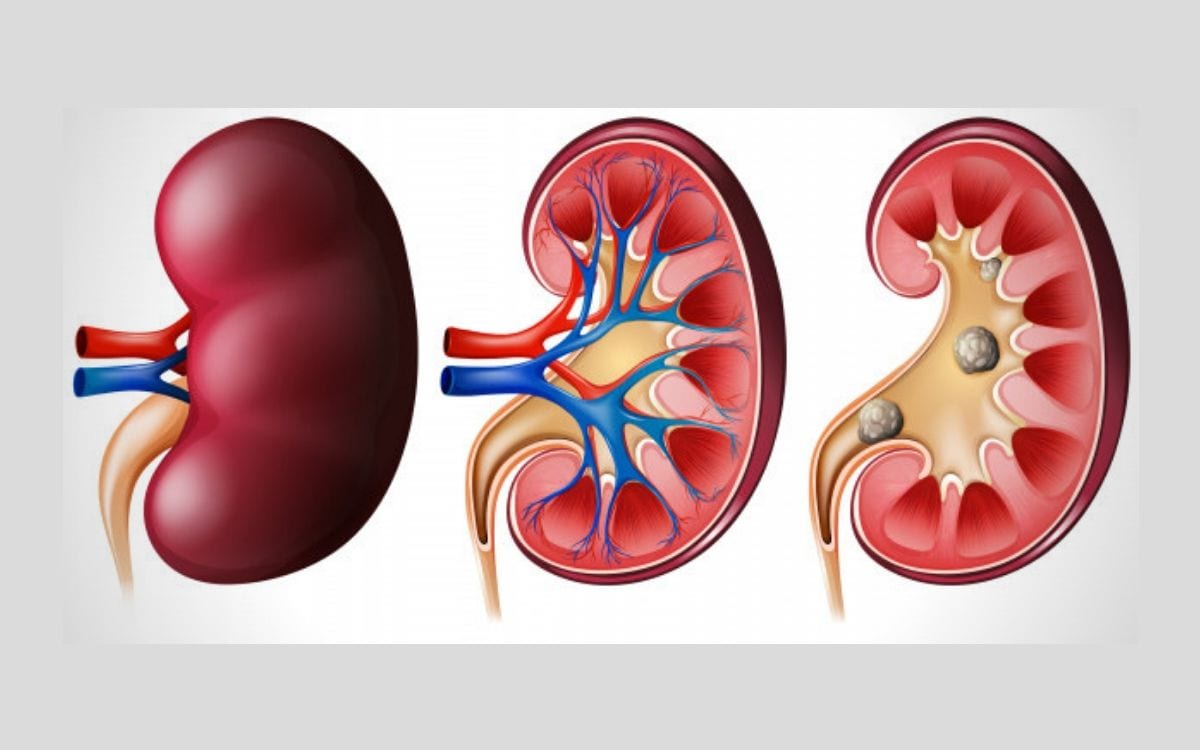
- Pink, red or brown urine.
- Cloudy or foul-smelling urine.
- A persistent need to urinate, urinating more often than usual or urinating in small amounts.
- Nausea and vomiting.
- Fever and chills if an infection is present.
FISTULA IN ANO
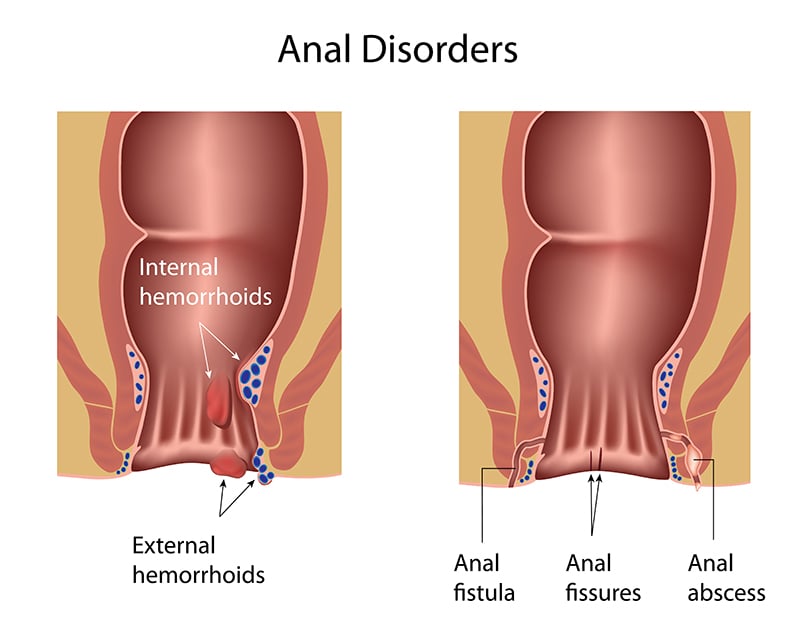
- skin irritation around the anus.
- a constant, throbbing pain that may be worse when you sit down, move around, poo or cough.
- smelly discharge from near your anus.
- passing pus or blood when you poo.
- swelling and redness around your anus and a high temperature if you also have an abscess.
PERIANAL SINUS
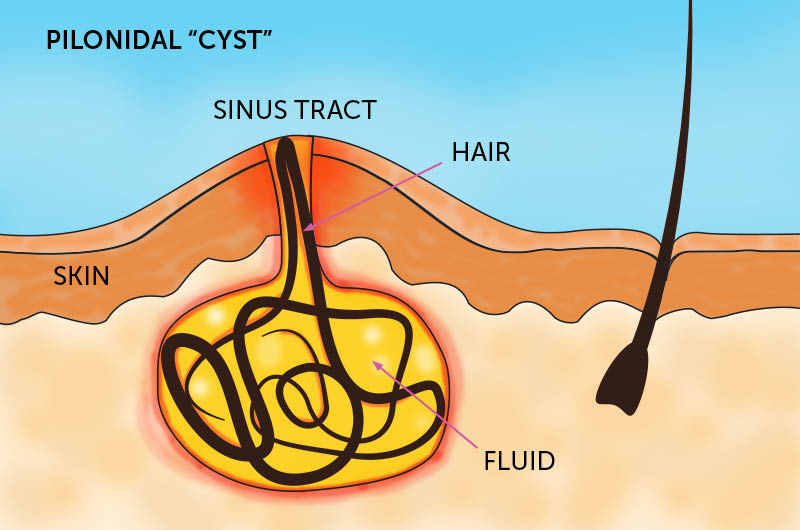
The signs of an infection include:
- pain when sitting or standing
- swelling of the cyst
- reddened, sore skin around the area
- pus or blood draining from the abscess, causing a foul odor
- hair protruding from the lesion
- formation of more than one sinus tract, or holes in the skin
PERIANAL WORTS
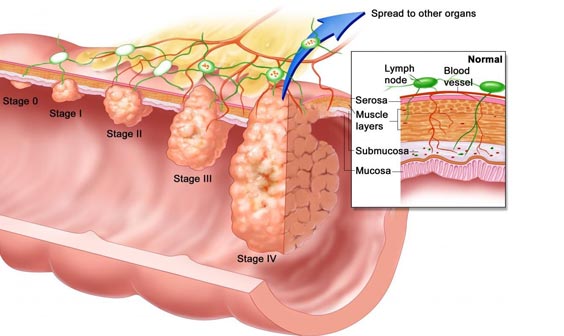
- Soft lumps in or around your anus.
- Light brown, yellow, pink or flesh-colored lumps that may cluster together.
- Bleeding.
- Itching.
- Leaking discharge from your anus (caused by internal anal warts).
RECTAL PROLAPSE
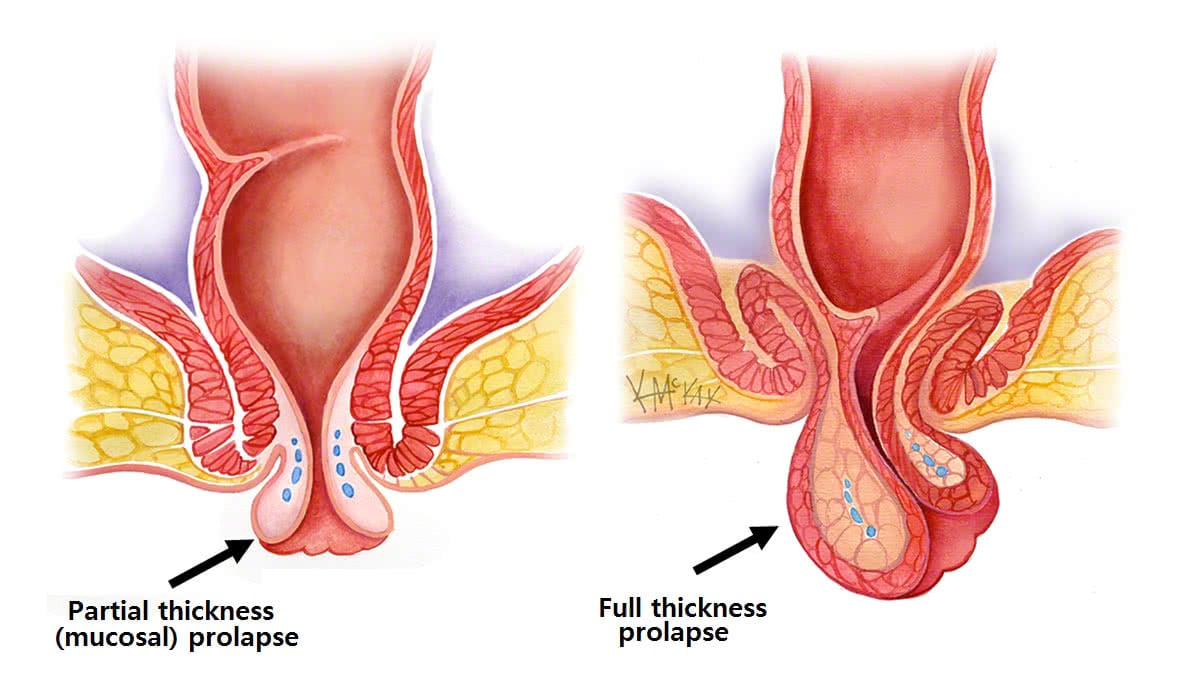
If you have rectal prolapse, you may notice a reddish lump that comes out of the anus, often while straining during a bowel movement. The lump may slip back inside the anus, or it may continue to be seen.
Other symptoms may include:
- You cannot control your bowel movements, known as fecal incontinence.
- Constipation or loose stools.
- Leaking blood or mucus from the rectum.
- Feeling that your rectum isn't empty after a bowel movement.
RECTAL POLYPS
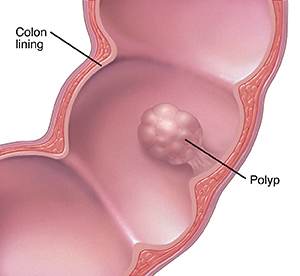
- Change in bowel habits. Constipation or diarrhea that lasts longer than a week may mean the presence of a larger colon polyp or cancer. ...
- Change in stool color. Blood can show up as red streaks in your stool or make stool appear black. ...
- Iron deficiency anemia. ...
- Pain. ...
- Rectal bleeding.
LEPTOSPIROSIS
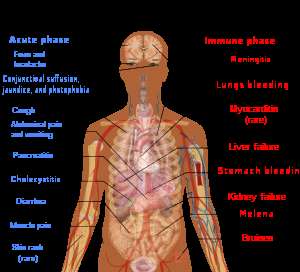
STROKE
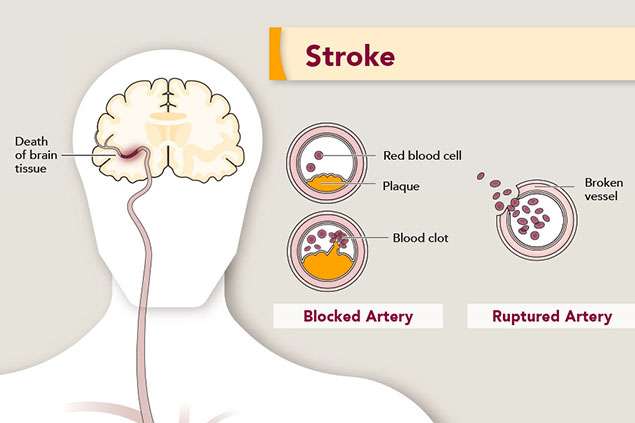
TYPHOID
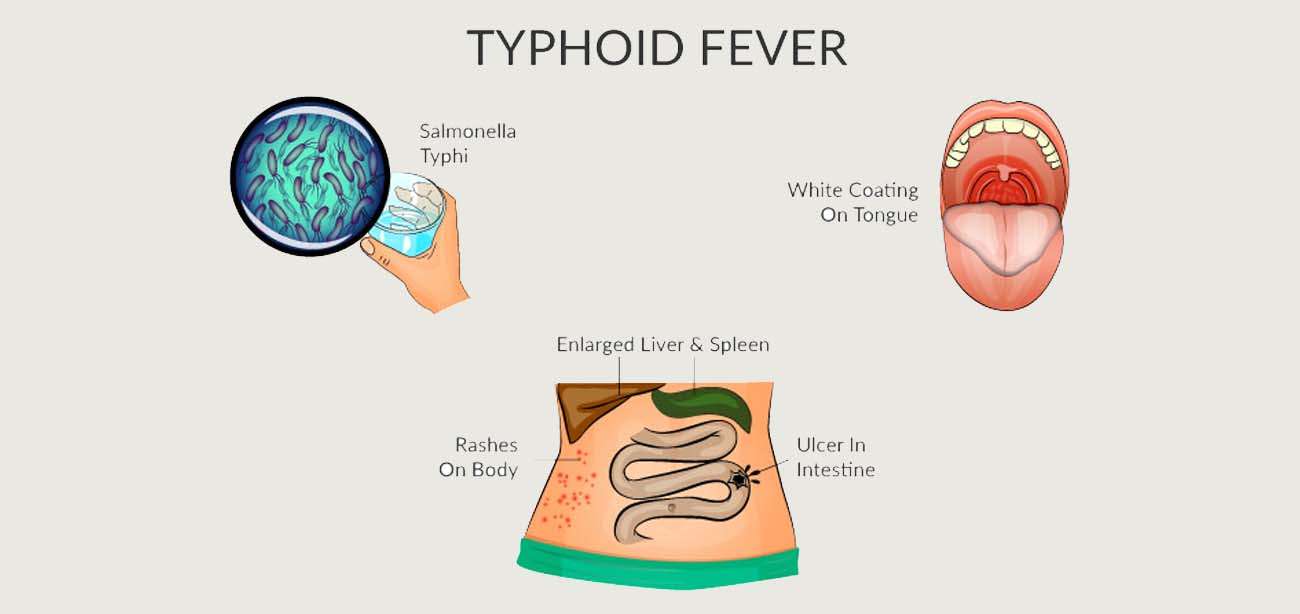
PNEUMONIA
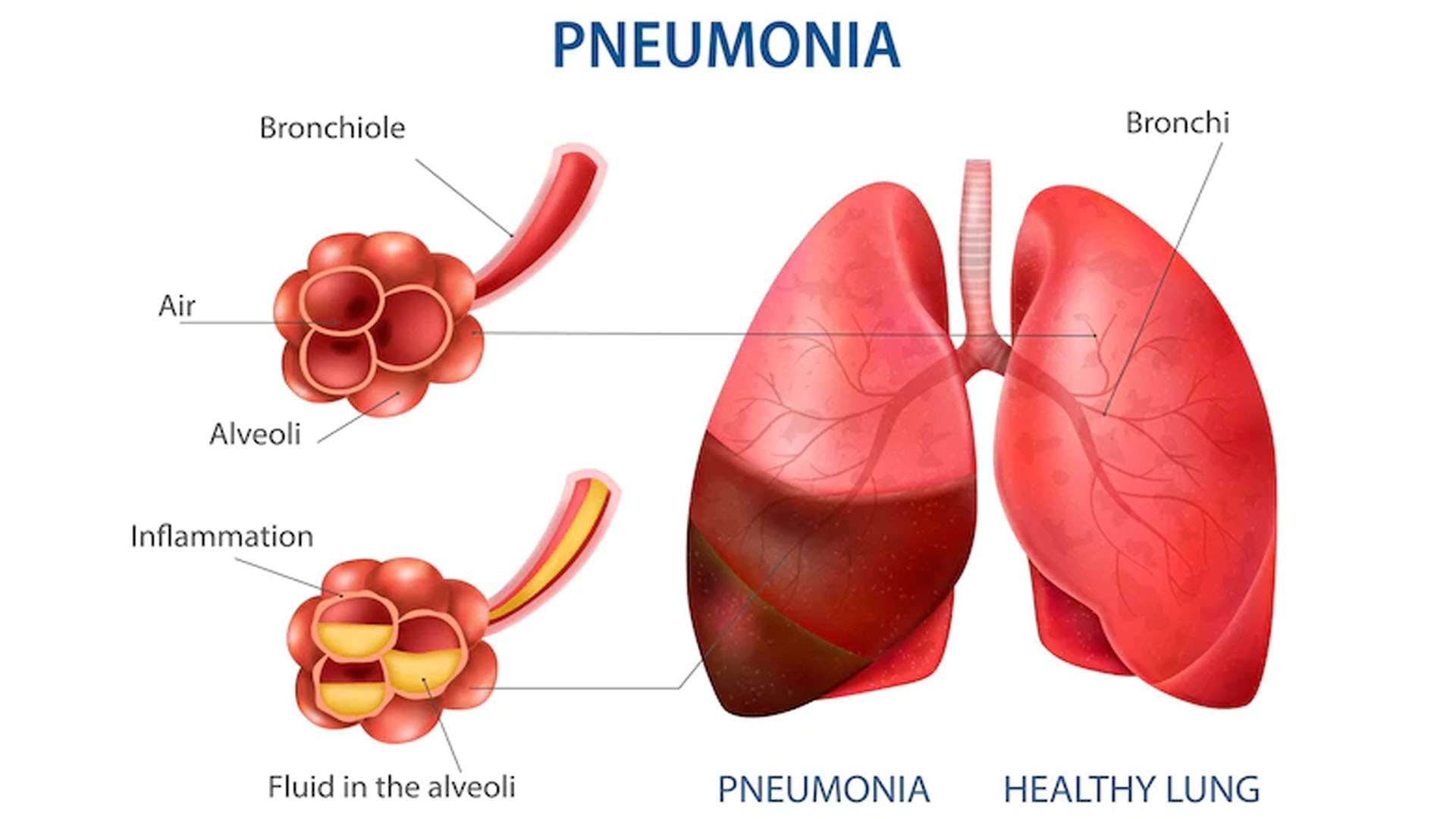
FEVER
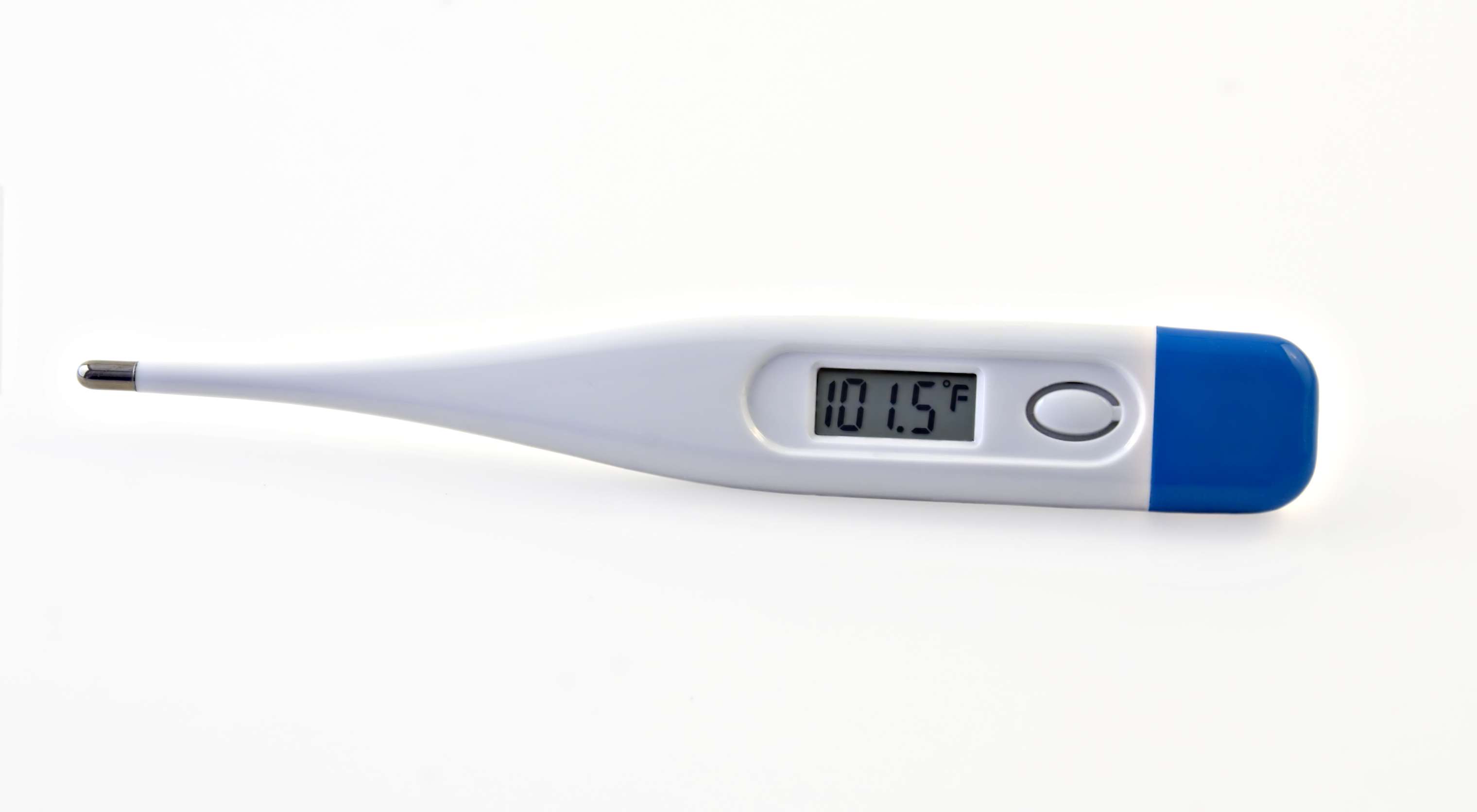
SKIN DISEASES
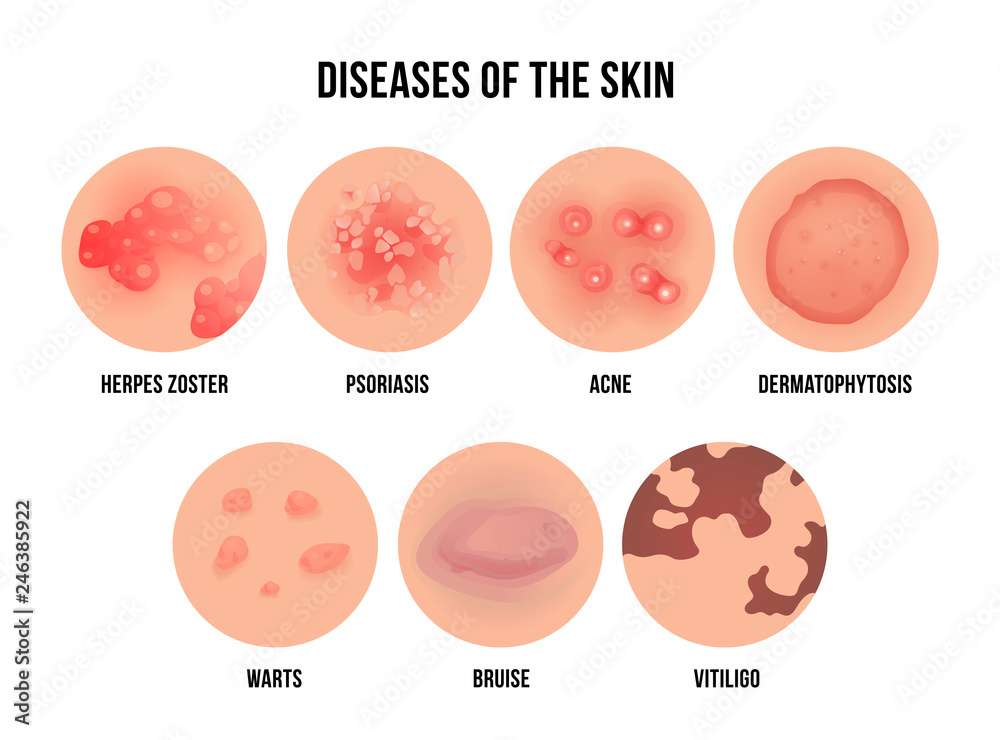
Skin diseases encompass a wide range of conditions that affect the skin, resulting in various symptoms and appearances. Some common skin diseases include:
- Acne: A common skin condition characterized by the formation of pimples, blackheads, and whiteheads on the face, chest, and back.
- Eczema: A chronic inflammatory condition that causes dry, itchy, and red patches on the skin.
- Psoriasis: A chronic autoimmune disease that causes red, scaly patches on the skin, often accompanied by itching or pain.
- Dermatitis: Inflammation of the skin that can be caused by various factors such as irritants, allergens, or genetic predisposition.
- Rosacea: A chronic skin condition characterized by facial redness, flushing, and sometimes pimples or visible blood vessels.
- Hives (Urticaria): Raised, itchy bumps on the skin that are often caused by an allergic reaction or exposure to certain triggers.
- Athlete's Foot: A fungal infection that affects the feet, causing itching, redness, and peeling of the skin.
- Ringworm: A fungal infection that forms a ring-shaped rash on the skin, often itchy and scaly.
- Impetigo: A highly contagious bacterial infection characterized by red sores that break open, ooze, and form a yellowish crust.
- Shingles: A viral infection caused by the reactivation of the varicella-zoster virus, resulting in a painful rash with fluid-filled blisters.
It's important to consult a dermatologist or healthcare professional for an accurate diagnosis and appropriate treatment for any skin condition.
CHILDHOOD DISEASES

Childhood diseases refer to a wide range of illnesses that primarily affect children. Some common childhood diseases include:
- Chickenpox (Varicella): A highly contagious viral infection causing an itchy rash and fever.
- Measles: A viral infection characterized by fever, cough, runny nose, and a rash.
- Mumps: A viral infection causing swelling and pain in the salivary glands, leading to swollen cheeks and jaw.
- Rubella (German Measles): A viral infection causing a rash and fever, particularly dangerous for pregnant women.
- Whooping cough (Pertussis): A bacterial infection causing severe coughing spells, especially dangerous for infants.
- Hand, Foot, and Mouth Disease: A viral infection characterized by sores in the mouth, on the hands, and on the feet.
- Rotavirus: A highly contagious virus causing severe diarrhea, vomiting, and dehydration in infants and young children.
- Fifth Disease (Erythema infectiosum): A viral infection causing a distinctive rash on the face, cheeks, and body.
- Croup: A viral infection causing a barking cough and difficulty breathing.
- Roseola: A viral infection characterized by high fever followed by a rash.
It's important to note that diagnosing and treating specific diseases should be done by medical professionals. If you have concerns about a child's health, it's best to consult a healthcare provider.
WOMAN DISEASES
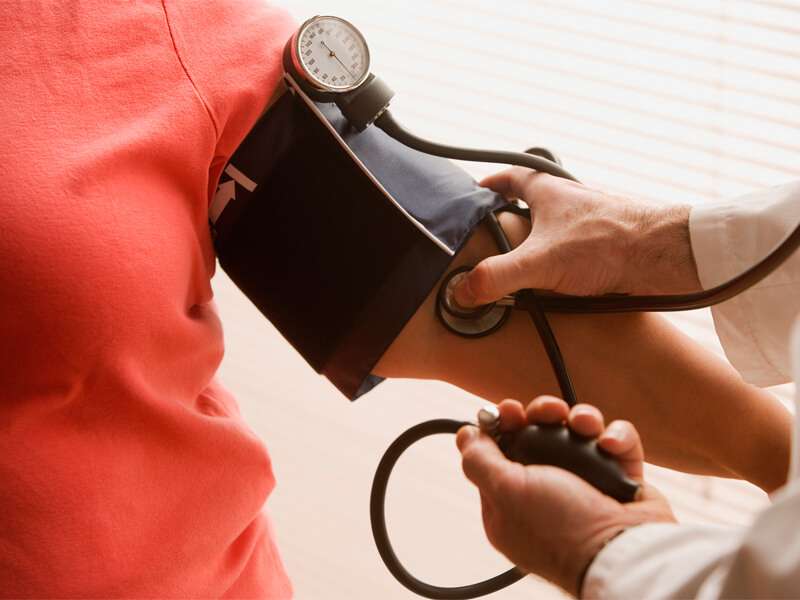
"Woman Disease" is a broad term that does not refer to a specific medical condition. Women can be affected by a variety of diseases and health conditions, some of which are unique to or more common in females. It's essential to address specific diseases or conditions to provide accurate information.
Here are some common health conditions that can affect women:
- Breast Cancer: A malignant tumor that develops in breast tissue, predominantly affecting women.
- Ovarian Cancer: Cancer that begins in the ovaries, the female reproductive organs responsible for producing eggs.
- Endometriosis: A condition where tissue similar to the lining of the uterus grows outside the uterus, causing pain and fertility problems.
- Polycystic Ovary Syndrome (PCOS): A hormonal disorder characterized by enlarged ovaries with cysts and hormonal imbalances, leading to irregular periods and other symptoms.
- Cervical Cancer: Cancer that develops in the cervix, the lower part of the uterus.
- Premenstrual Syndrome (PMS): A combination of physical and emotional symptoms that occur in the days leading up to menstruation.
- Urinary Tract Infections (UTIs): Infections in the urinary system, including the bladder and urethra, which can be more common in women.
- Osteoporosis: A condition characterized by a decrease in bone density, making bones more fragile and prone to fractures, which is more common in women, especially after menopause.
- Menopause: The natural process that occurs in women's lives, typically in their 40s or 50s when menstrual periods cease and hormone levels change.
- Pelvic Inflammatory Disease (PID): An infection of the female reproductive organs, usually caused by sexually transmitted bacteria.
It's important to note that these are just a few examples, and there are many more health conditions that can affect women. If you have concerns about your health, it's recommended to consult a healthcare professional for a proper diagnosis and treatment.
HYPNOTICS
used to induce and maintain sleep.
ANTIPSYCHOTIC MEDICATIONS
used to treat psychotic symptoms (delusions and hallucinations), schizophrenia, bipolar disorder.
ANTIDEPRESSANTS
used to treat depression, panic disorder, PTSD, anxiety, obsessive-compulsive disorder, borderline personality disorder and eating disorders.
EYE CARE CENTRE
CANCER CENTRE
BONE & JOINT CENTRE
LAPAROSCOPIC
LASER STONE OPERATION
BLADDER CANCER
KIDNEY STONE
CARDIOLOGY

PSYCHIATRY
RHEUMATOLOGY
VASCULAR
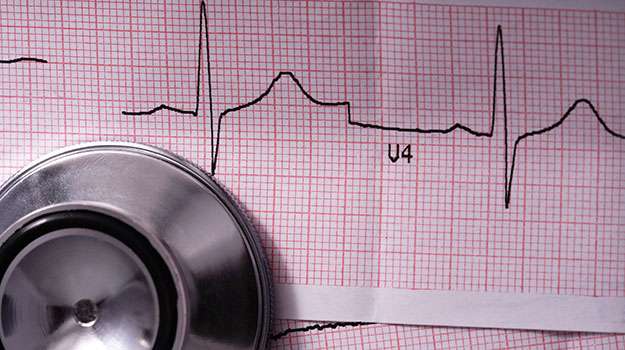
KERATOCONUS

CATARACT
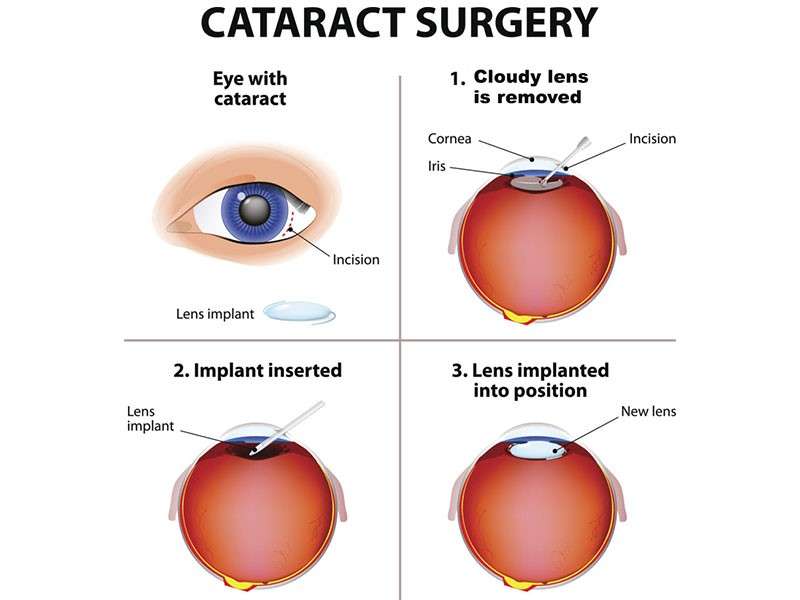
CORNEA

LASIK / REFRACTIVE SURGERIES

PEDIATRICIAN & NICU
SURGERY & TRAUMA CARE
ORTHOPAEDIC
CARDIOLOGY
THERAPEUTIC ENDOSCOPY
EMERGENCY ENDOSCOPY FOR GI BLEEDS
COLONOSCOPY
A GI Colonoscopy is an advanced diagnostic and preventive procedure performed by a Gastrointestinal (GI) specialist to examine the inner lining of the colon and rectum. It is commonly used for colorectal cancer screening, detection and removal of polyps, evaluation of gastrointestinal bleeding, chronic diarrhea, constipation, abdominal pain, inflammatory bowel disease (IBD), and other digestive disorders. Colonoscopy enables early diagnosis and timely treatment of colorectal conditions, helping maintain optimal digestive health and prevent serious gastrointestinal diseases.
UPPER GI ENDOSCOPY
ABORTION

LAPAROSCOPY

MATERNITY

SKIN PIGMENTATION TREATMENT

HAIR LOSS TREATMENT
PRP FOR HAIR LOSS
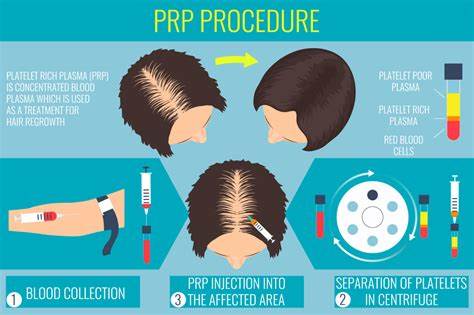
GYNAECOLOGY
RADIOFREQUENCY
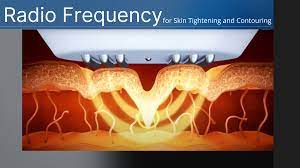
EPILEPSY SURGERY
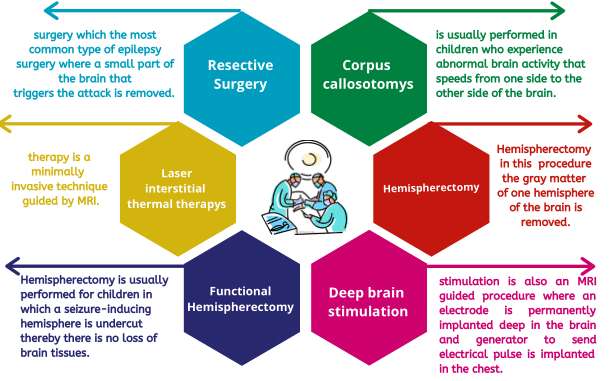
CHRONIC SPINAL PAIN
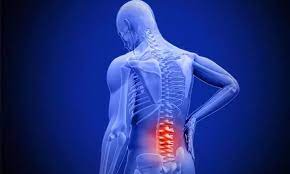
WHAT IS ALOPECIA AREATA?

VACCINATION AND CHECK-UP
INFECTIOUS DISEASES

GASTRIC DISORDERS
PAIN MANAGEMENT

MIGRAINE

RESPIRATORY PROBLEMS
HEART PROBLEMS
HEART PROBLEMS
THYROID DISEASE
DIABETES MANAGEMENT

GROWTH AND NUTRITION

INFANT CARE

INFECTIOUS DISEASES

VACCINATION AND CHECKUP

SORE THROAT