
Dr Anil Pandey
About Me
Dr Anil Pandey
MBBS
Cardiologist
10 Years Experience
Biography
My Clinic
OPD Hours
| Monday | Morning | 10:00 AM | - | 02:00 PM |
| Evening | 06:00 PM | - | 09:00 PM | |
| Tuesday | Morning | 10:00 AM | - | 02:00 PM |
| Evening | 06:00 PM | - | 09:00 PM | |
| Wednesday | Morning | 10:00 AM | - | 02:00 PM |
| Evening | 06:00 PM | - | 09:00 PM | |
| Thursday | Morning | 10:00 AM | - | 02:00 PM |
| Evening | 06:00 PM | - | 09:00 PM | |
| Friday | Morning | 10:00 AM | - | 02:00 PM |
| Evening | 06:00 PM | - | 09:00 PM | |
| Saturday | Morning | 10:00 AM | - | 02:00 PM |
| Evening | 06:00 PM | - | 09:00 PM | |
| Sunday | Morning | 10:00 AM | - | 02:00 PM |
| Evening | 06:00 PM | - | 09:00 PM |
Treatments
Specialised care and treatments offered
VALVULAR HEART DISEASE

This refers to dysfunction of one or more valves regulating unidirectional blood flow inside the heart chambers. It can cause stenosis (narrowing) or regurgitation (leakage).
HEART FAILURE
This chronic condition arises when the heart cannot pump sufficient blood to meet the body's demands. It often results from damage caused by other cardiovascular diseases over time.
CONGENITAL HEART DEFECTS
This group of conditions involves structural abnormalities in the heart present from birth. They range from mild defects to complex malformations affecting blood flow efficiency.
- Pediatric symptoms: Rapid breathing, poor feeding in infants; cyanosis (bluish skin) depending on severity level.
- Causation factors: Genetic mutations and environmental exposures during pregnancy contribute to defect development.
- Echocardiography: Primary imaging used for diagnosis outlining size and location of anomalies precisely.
- Treatment options: May include surgical repair shortly after birth or catheter-based interventions as child grows; some minor defects require only monitoring through childhood into adulthood.
ARRHYTHMIA
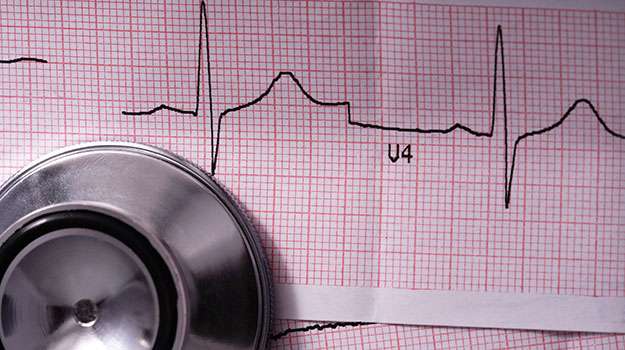
An arrhythmia refers to an irregular heartbeat caused by improper electrical impulses in the heart. It can manifest as too fast, too slow or erratic rhythms.
- Signs: Palpitations, fluttering sensation in chest, dizziness or fainting spells may occur.
- Causative factors: Heart disease, electrolyte imbalances, medication side effects or congenital defects may trigger arrhythmias.
- Diagnostic tools: ECG monitoring including Holter or event recorders detect abnormal rhythms during symptoms or continuously.
- Treatment strategies: May include medications like beta-blockers or antiarrhythmics; procedures such as catheter ablation; or implantable devices like pacemakers in persistent cases.
A timely diagnosis helps prevent complications such as stroke or heart failure associated with arrhythmias.
HYPERTENSION (HIGH BLOOD PRESSURE)
High blood pressure is a common condition where the force of blood against the artery walls is consistently too high. This increases strain on the heart and vessels over time.
- Symptoms: Often called a silent condition; may cause headaches or dizziness but frequently has no noticeable signs.
- Causes: Genetics, high salt intake, obesity, sedentary lifestyle can contribute to elevated blood pressure levels.
- Diagnosis: Multiple measurements using a sphygmomanometer over time confirm hypertension.
- Treatment: Lifestyle modifications like weight control and exercise combined with antihypertensive medications help maintain safe levels.
- Prognosis: Controlling hypertension reduces risks of stroke, heart attack, and kidney damage substantially.
Lifelong monitoring is essential but manageable with proper adherence to treatment plans.
CORONARY ARTERY DISEASE
Coronary artery disease (CAD) occurs when the coronary arteries become narrowed or blocked, reducing blood flow to the heart muscle. This can lead to chest pain and, in severe cases, heart attacks.
- Symptoms: Chest discomfort, shortness of breath, fatigue during exertion.
- Causes: Atherosclerosis due to plaque buildup from high cholesterol, smoking, or high blood pressure.
- Diagnosis: ECG, stress tests, coronary angiography help identify the extent of artery blockage.
- Treatment: Lifestyle changes like diet and exercise, medications such as statins and beta-blockers, and interventions including angioplasty or bypass surgery if needed.
- Expectations: With proper management, symptoms can be controlled and risk of heart attack reduced significantly.
Early detection and ongoing care are vital for maintaining a healthy heart despite coronary artery disease.