
Dr Anil Nischal
About Me
Dr Anil Nischal
MBBS
General Physician
10 Years Experience
Biography
My Clinic
OPD Hours
| Monday | Morning | 10:00 AM | - | 02:00 PM |
| Evening | 06:00 PM | - | 09:00 PM | |
| Tuesday | Morning | 10:00 AM | - | 02:00 PM |
| Evening | 06:00 PM | - | 09:00 PM | |
| Wednesday | Morning | 10:00 AM | - | 02:00 PM |
| Evening | 06:00 PM | - | 09:00 PM | |
| Thursday | Morning | 10:00 AM | - | 02:00 PM |
| Evening | 06:00 PM | - | 09:00 PM | |
| Friday | Morning | 10:00 AM | - | 02:00 PM |
| Evening | 06:00 PM | - | 09:00 PM | |
| Saturday | Morning | 10:00 AM | - | 02:00 PM |
| Evening | 06:00 PM | - | 09:00 PM | |
| Sunday | Morning | 10:00 AM | - | 02:00 PM |
| Evening | 06:00 PM | - | 09:00 PM |
Treatments
Specialised care and treatments offered
SMOKING CESSATION COUNSELING
Cigarette smoking remains one of the leading preventable causes of illness worldwide. Overcoming this addiction often requires guidance due to nicotine’s addictive nature. Supportive counseling plays an instrumental role in helping individuals transition towards healthier lifestyles without tobacco usage entirely!
ANNUAL PHYSICAL EXAMINATION

An annual physical examination serves as a cornerstone for preventive care. It allows healthcare providers to assess overall health status and detect potential problems before they become significant issues. Early intervention plays an essential role in maintaining good health throughout life stages.
- Purpose: This comprehensive evaluation examines different facets of your health , including checks on vital signs , organ function tests , etc.
- Components: Typical assessments include lab tests , physical checks like reflexes or mobility screenings , alongside discussions regarding lifestyle habits .
- Age considerations: Recommendations may vary according to age group priorities focusing more heavily on suitable screenings relevant at particular life stages .
- Results & Planning: Results from the exam guide future treatment paths while providing clarity over any adjustments needed within existing care frameworks .
Overall , committing time annually towards these important evaluations ensures readiness for maintaining long-term wellness .
VACCINATION UPDATES
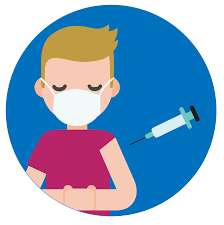
A robust vaccination schedule is essential not only for children but adults as well. Vaccines play a key role in preventing various diseases that could otherwise have serious consequences. Staying updated on vaccinations ensures personal health safety as well as community protection through herd immunity.
- Disease prevention:The right vaccinations shield against diseases like influenza, pneumonia, hepatitis B, among others that could lead to serious health issues.
- Lifestyle adaptation: Certain jobs or travel plans may require specific vaccinations; understanding these needs aids in planning ahead effectively.
- Monitoring: Regular consultations provide opportunities to review vaccination status alongside any recommendations based on age or medical history.
- Long-term benefits: Maintaining updated vaccinations fosters fewer outbreaks in communities while promoting global public health initiatives.
Ultimately , staying current with vaccinations serves both personal wellness goals along with broader societal advantages .
CHOLESTEROL LEVEL MONITORING
Cholesterol plays a vital role in overall health; however, elevated cholesterol levels can raise the risk of heart disease. Regular testing is critical for maintaining cardiovascular health. Knowing your cholesterol numbers helps in making informed decisions about lifestyle choices.
- Symptoms: High cholesterol typically has no symptoms but increases the risk of heart attacks or strokes over time.
- Causes: Factors such as unhealthy diet choices, lack of exercise, smoking habits, and genetic predisposition contribute to elevated cholesterol levels.
- Diagnosis: A lipoprotein profile test measures total cholesterol levels alongside LDL (bad) cholesterol and HDL (good) cholesterol levels.
- Treatment options:Lifestyle changes including dietary improvements and regular physical activity can lower cholesterol levels; medications might be prescribed when necessary.
Caring for your cholesterol involves ongoing education about dietary impacts on heart health and regular consultations with healthcare providers for effective management strategies.
DIABETES SCREENING

Diabetes is a chronic condition that affects how the body processes sugar (glucose). Early detection through screening is vital to manage and control the disease effectively. Understanding diabetes can significantly improve outcomes.
- Symptoms: Increased thirst, frequent urination, extreme fatigue, and blurred vision are common indicators.
- Causes: Factors like obesity, physical inactivity, and family history can increase the risk of developing diabetes.
- Diagnosis: Testing typically involves fasting blood glucose tests or an HbA1c test to assess long-term glucose control.
- Treatment options: Management may include lifestyle changes such as diet modifications and exercise routines alongside insulin or oral medications when necessary.
- What to expect: Regular monitoring and follow-ups will help you maintain optimal blood sugar levels and prevent complications associated with diabetes.
A proactive approach towards diabetes screening encourages better health management strategies tailored to individual needs.
HYPERTENSION MANAGEMENT
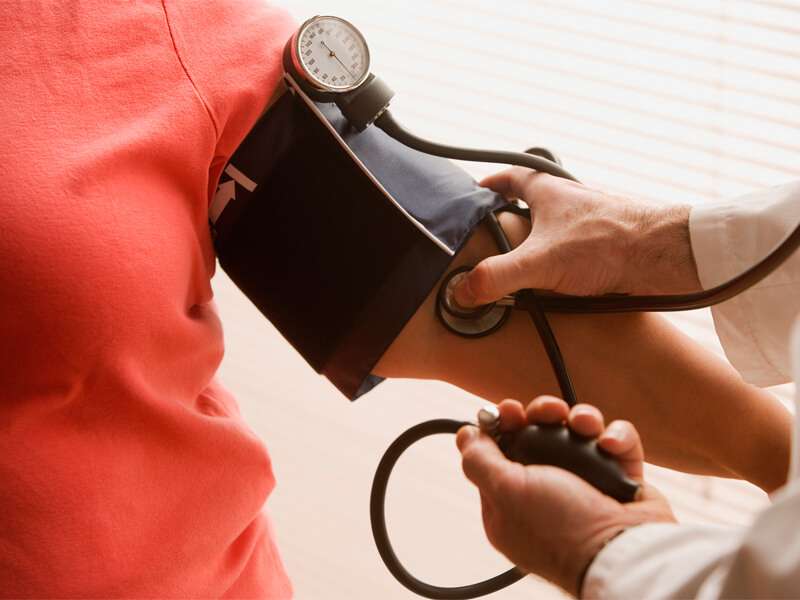
Hypertension, or high blood pressure, is a common condition that can lead to severe health complications if left untreated. It often goes unnoticed as symptoms can be minimal or absent altogether. Regular screenings are essential for early detection and management.
- Symptoms: Many individuals experience no noticeable symptoms; however, headaches, shortness of breath, and nosebleeds can occur in some cases.
- Causes: Factors contributing to hypertension include obesity, high salt intake, stress, and genetics.
- Diagnosis: Blood pressure readings taken during routine check-ups are crucial for identifying hypertension. Continuous monitoring may also be recommended.
- Treatment options: Lifestyle changes such as dietary adjustments, exercise, and medication may be prescribed to control blood pressure levels effectively.
- Management: Regular follow-ups with your healthcare provider will help monitor progress and adjust treatments as necessary.
Overall, managing hypertension requires a proactive approach to safeguard against heart-related diseases and ensure long-term health.