
DR Anil Kumar Shu
About Me
DR Anil Kumar Shu
MBBS
Cardiologist
10 Years Experience
Biography
My Clinic
OPD Hours
| Monday | Morning | 10:00 AM | - | 02:00 PM |
| Evening | 06:00 PM | - | 09:00 PM | |
| Tuesday | Morning | 10:00 AM | - | 02:00 PM |
| Evening | 06:00 PM | - | 09:00 PM | |
| Wednesday | Morning | 10:00 AM | - | 02:00 PM |
| Evening | 06:00 PM | - | 09:00 PM | |
| Thursday | Morning | 10:00 AM | - | 02:00 PM |
| Evening | 06:00 PM | - | 09:00 PM | |
| Friday | Morning | 10:00 AM | - | 02:00 PM |
| Evening | 06:00 PM | - | 09:00 PM | |
| Saturday | Morning | 10:00 AM | - | 02:00 PM |
| Evening | 06:00 PM | - | 09:00 PM | |
| Sunday | Morning | 10:00 AM | - | 02:00 PM |
| Evening | 06:00 PM | - | 09:00 PM |
Treatments
Specialised care and treatments offered
IMPLANTABLE CARDIOVERTER DEFIBRILLATOR (ICD) PLACEMENT

An Implantable Cardioverter Defibrillator is an electronic device designed to detect dangerous arrhythmias like ventricular fibrillation that could lead to sudden cardiac arrest. This device monitors heart rhythm continuously after implantation under the skin near the chest area.
VALVE REPAIR SURGERY
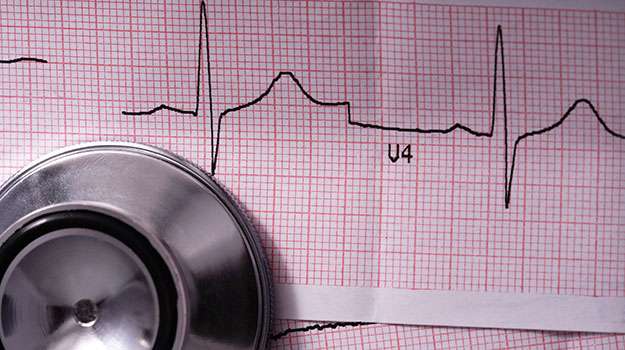
Surgical repair of damaged heart valves preserves native valve structure while correcting dysfunctions such as regurgitation or stenosis. This option can delay or avoid replacement when appropriate valves qualify for restoration techniques.
PERCUTANEOUS CORONARY INTERVENTION (PCI)
Percutaneous Coronary Intervention is a non-surgical technique primarily used to open narrowed coronary arteries caused by plaque buildup. This procedure helps enhance blood supply to the heart muscle quickly during events like angina or myocardial infarction.
- Causative factors & symptoms:The underlying problem is usually atherosclerosis leading to ischemic chest pain and potential heart damage if untreated promptly.
- Efficacy testing prior treatment:Coronary angiography identifies precise blockage locations suitable for PCI intervention.
- The procedural details:A balloon catheter inflates within the artery at the blockage site which often includes stent placement for long-term vessel patency maintenance.
- The post-procedure care involves medications like antiplatelets combined with lifestyle optimization programs focusing on risk factor control.
- Outcome overview: Most patients experience rapid symptom improvement; however, regular follow-up ensures early detection if re-narrowing occurs.
By restoring arterial flow promptly via this technique, PCI remains cornerstone therapy in acute coronary syndrome management which reduces mortality rates substantially.
ELECTROPHYSIOLOGY STUDY AND CATHETER ABLATION
This diagnostic and therapeutic approach targets abnormal heart rhythms originating from electrical system malfunctions. Electrophysiology studies help locate arrhythmia sources, while catheter ablation aims to eliminate them.
- Presentation: Patients often report palpitations, dizziness, or syncope due to conditions like atrial fibrillation or ventricular tachycardia.
- Diagnostic steps: Intracardiac electrical mapping during electrophysiology study pinpoints areas causing irregular conduction pathways.
- Treatment mechanism: Catheter ablation uses radiofrequency energy or cryotherapy to cauterize problematic tissue responsible for arrhythmias.
- Treatment expectations: Many individuals achieve significant symptom reduction; some require repeat procedures depending on arrhythmia complexity.
This combined strategy provides targeted management of complex rhythm disorders, improving both cardiac function and overall well-being without extensive surgeries.
TRANSCATHETER AORTIC VALVE REPLACEMENT (TAVR)
A minimally invasive procedure, Transcatheter Aortic Valve Replacement offers an alternative to open-heart surgery for patients with severe aortic valve stenosis. It replaces a narrowed valve that restricts blood flow from the heart.
- Causes and symptoms: Usually caused by age-related calcification leading to symptoms like chest pain, fatigue, or fainting spells.
- Diagnostic methods: Echocardiograms and CT scans are primary tools used to assess valve function and anatomy prior to TAVR.
- The procedure: The new valve is delivered via catheter through blood vessels, avoiding large incisions in the chest.
- Post-procedure care: Patients typically have shorter hospital stays with monitoring for complications such as arrhythmias or bleeding.
- Benefits: TAVR restores proper valve function, improves symptoms, and reduces risks associated with traditional surgery, especially in high-risk patients.
This technique has revolutionized treatment options for aortic stenosis by offering effective symptom relief with quicker recovery times for eligible candidates.
CORONARY ARTERY BYPASS GRAFTING (CABG)
Coronary Artery Bypass Grafting is a surgical procedure aimed at improving blood flow to the heart muscle. It is commonly recommended for patients with significant blockage in the coronary arteries that supply blood to the heart.
- Symptoms and causes: Often performed due to coronary artery disease causing chest pain (angina), shortness of breath, or risk of heart attack.
- Diagnosis: Blockages are confirmed through diagnostic tools like coronary angiography and stress tests.
- Treatment process: The surgery involves taking a healthy blood vessel from another part of the body to bypass blocked arteries and restore proper circulation.
- Management post-surgery: Recovery includes cardiac rehabilitation, lifestyle changes, and medication adherence to prevent further artery blockages.
- Outcomes and expectations: Many patients experience relief from symptoms and improved quality of life following successful grafting procedures.
This operation is a critical tool in managing advanced coronary artery disease, particularly when less invasive treatments have limited benefit. Understanding the process helps patients prepare mentally and physically for surgery and recovery.