
DR Anil Kumar Gupta Clinic
About Me
DR Anil Kumar Gupta Clinic
MS
Orthopaedic Surgeons
10 Years Experience
Biography
My Clinic
OPD Hours
| Monday | Morning | 10:00 AM | - | 02:00 PM |
| Evening | 06:00 PM | - | 09:00 PM | |
| Tuesday | Morning | 10:00 AM | - | 02:00 PM |
| Evening | 06:00 PM | - | 09:00 PM | |
| Wednesday | Morning | 10:00 AM | - | 02:00 PM |
| Evening | 06:00 PM | - | 09:00 PM | |
| Thursday | Morning | 10:00 AM | - | 02:00 PM |
| Evening | 06:00 PM | - | 09:00 PM | |
| Friday | Morning | 10:00 AM | - | 02:00 PM |
| Evening | 06:00 PM | - | 09:00 PM | |
| Saturday | Morning | 10:00 AM | - | 02:00 PM |
| Evening | 06:00 PM | - | 09:00 PM | |
| Sunday | Morning | 10:00 AM | - | 02:00 PM |
| Evening | 06:00 PM | - | 09:00 PM |
Treatments
Specialised care and treatments offered
KNEE LIGAMENT INJURIES
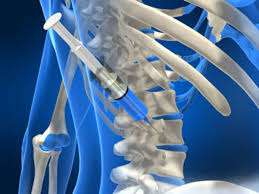
Knee ligament injuries notably affect athletes but anyone participating in vigorous activity runs risk too! These injuries primarily involve tearing either the ACL (Anterior Cruciate Ligament) or MCL (Medial Collateral Ligament) leading towards instability/painful movements experienced during sports & exercises alike!
CARPAL TUNNEL SYNDROME
This syndrome arises from compression of the median nerve within the wrist's carpal tunnel. It can lead to significant discomfort making daily tasks challenging for those who experience it frequently.
- Symptoms:- Pain radiating from your wrist into your hand/ fingers accompanied by tingling sensations.
Causes:- Conditions like diabetes are risk factors along with repetitive motions through jobs involving typing.
Diagnosis:- A doctor will perform clinical assessments evaluating both symptoms and nerve conduction studies if needed!
Treatment:- Non-surgical treatments may suffice such as modifying activities/cast application whilst steroid injections help alleviate symptoms too! In some situations surgery could become necessary for permanent relief.
Recovery Expectations:- Individuals typically report significant improvements following treatment interventions across diverse mechanisms used!
BURSITIS

Bursitis occurs when bursae—small fluid-filled sacs cushioning bones—become inflamed. The condition is frequently seen in joints that experience frequent friction such as shoulders and hips.
- This results in soreness, tenderness around the joint area along with mobility restrictions due to pain.
A thorough evaluation including physical examination alongside X-ray imaging helps conclude diagnosis.
Management includes rest alongside anti-inflammatory medications; outpatient procedures like corticosteroid injections may also prove beneficial.
Recovery usually takes weeks, depending on severity; patients should gradually introduce movement as advised by their healthcare provider.
An appropriately tailored approach assists individuals in preventing future recurrences while maintaining an active lifestyle!
TENDONITIS

Tendonitis is characterized by inflammation or irritation of a tendon resulting from repetitive use or injury. This condition commonly affects athletes but can occur in anyone engaging in repetitive motions.
- Symptoms: Typical signs include localized pain near joints during movement or activity that often worsens with continued use.
- Causes: Overuse during sports activities or occupational tasks as well as underlying health conditions may lead to tendonitis development.
- Diagnosis: Physicians usually rely on patient history along with physical examinations; imaging studies like ultrasound may also be utilized for further assessment.
- Treatment options: Resting the affected area coupled with anti-inflammatory medications often helps; physical therapy can aid recovery while surgery is reserved for severe cases that don't respond to conservative measures.
The prognosis for tendonitis is generally favorable when managed correctly; many individuals return fully to their regular activities over time.
FRACTURES

A fracture refers to a break in the bone that can occur due to trauma or stress on the bone. Understanding fractures is essential for effective management and recovery.
- Types: Fractures can be classified into various types including simple, compound, or stress fractures depending on the severity.
- Symptoms: Key indicators include intense pain at the site of injury, swelling, bruising, and difficulty using the affected limb.
- Diagnosis: A healthcare professional will typically conduct physical examinations along with X-rays or CT scans to determine the extent of the fracture.
- Treatment methods: Treatment often varies but may involve immobilization with casts or splints; severe cases might require surgical procedures for proper alignment.
- Recovery expectations: Healing time can differ based on factors like age and health; rehabilitation exercises are vital to regain strength post-fracture.
A timely diagnosis enhances healing outcomes and aids in restoring normal function after a fracture.
ARTHRITIS

Arthritis is a common condition that leads to inflammation of the joints, causing pain, stiffness, and swelling. It can affect people of all ages and may significantly impact daily activities.
- Symptoms: Persistent joint pain, swelling, and reduced range of motion are typical signs.
- Causes: Genetics, injuries, age-related wear and tear are potential contributors.
- Diagnosis: Healthcare providers may perform physical exams, imaging tests like X-rays or MRIs, and lab tests to confirm the type of arthritis.
- Treatment options: Management can include medications such as anti-inflammatories, physical therapy, lifestyle modifications, or in some cases, surgical intervention.
- What to expect: While arthritis is chronic, many people manage their symptoms effectively through appropriate treatment plans.
Early intervention plays a crucial role in controlling symptoms and improving quality of life for those affected by arthritis.