
DR Anil Kumar Gup
About Me
DR Anil Kumar Gup
MBBS
General Physician
10 Years Experience
Biography
My Clinic
OPD Hours
| Monday | Morning | 10:00 AM | - | 02:00 PM |
| Evening | 06:00 PM | - | 09:00 PM | |
| Tuesday | Morning | 10:00 AM | - | 02:00 PM |
| Evening | 06:00 PM | - | 09:00 PM | |
| Wednesday | Morning | 10:00 AM | - | 02:00 PM |
| Evening | 06:00 PM | - | 09:00 PM | |
| Thursday | Morning | 10:00 AM | - | 02:00 PM |
| Evening | 06:00 PM | - | 09:00 PM | |
| Friday | Morning | 10:00 AM | - | 02:00 PM |
| Evening | 06:00 PM | - | 09:00 PM | |
| Saturday | Morning | 10:00 AM | - | 02:00 PM |
| Evening | 06:00 PM | - | 09:00 PM | |
| Sunday | Morning | 10:00 AM | - | 02:00 PM |
| Evening | 06:00 PM | - | 09:00 PM |
Treatments
Specialised care and treatments offered
ACUTE UPPER RESPIRATORY TRACT INFECTION (URTI) TREATMENT
An acute upper respiratory tract infection affects the nose, throat or sinuses usually caused by viruses. Most cases resolve spontaneously but symptomatic care is important for comfort and preventing complications.
SEASONAL ALLERGIC RHINITIS CARE

This allergic condition causes nasal inflammation triggered by airborne allergens like pollen during specific seasons. It commonly affects people’s comfort but can be managed effectively with proper care.
- Sensitizing Agents:Pollen from trees, grasses or weeds usually trigger inflammation in susceptible individuals causing sneezing, runny nose, congestion, and itchy eyes;
OBESITY MANAGEMENT
The condition of excessive body fat accumulation poses risks for multiple diseases including diabetes, heart disease, and joint problems. Effective management helps reduce these risks significantly.
- Causal Factors: Imbalance between calorie intake and energy expenditure alongside genetic predispositions contributes to obesity development.
- Assessment: Body Mass Index (BMI), waist circumference measurements, and evaluation for related complications guide diagnosis.
- Treatment Modalities: Dietary counseling focused on portion control and nutrient-dense foods combined with increased physical activity constitute the cornerstone therapies. Behavioral support enhances adherence.
- Add-On Strategies: Pharmacotherapy may be considered in select cases under medical supervision; surgical options are reserved for severe presentations after thorough evaluation.
Sustainable weight loss achieved through gradual lifestyle changes results in improved overall health metrics over time.
CHRONIC OBSTRUCTIVE PULMONARY DISEASE (COPD) SUPPORT
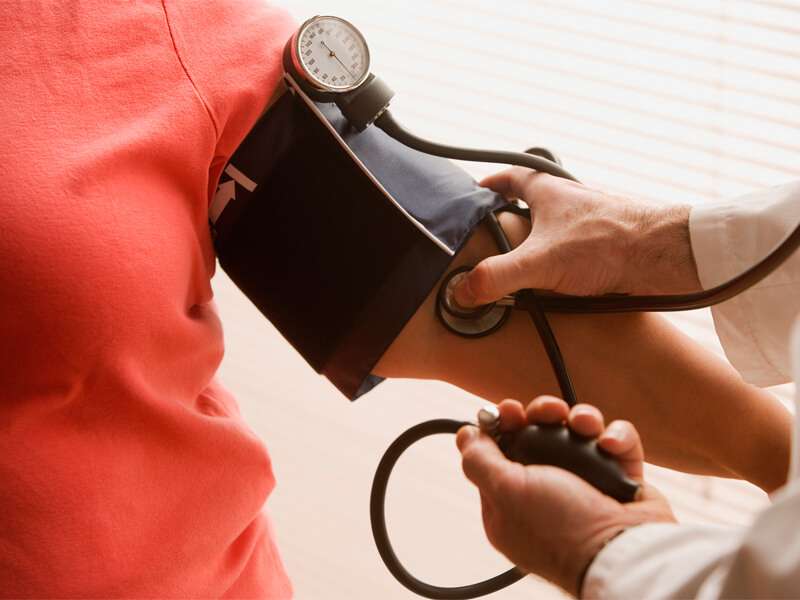
COPD is a progressive lung disease that causes breathing difficulties. While it cannot be cured completely, proper care can alleviate symptoms and improve daily functioning.
- Main Causes: Long-term exposure to irritants like tobacco smoke or pollution leads to airway inflammation.
- Recognition: Persistent cough with sputum production and breathlessness are common symptoms prompting medical evaluation including spirometry testing.
- Treatment Approach: Smoking cessation support is critical; bronchodilators and corticosteroids help relax airways; pulmonary rehabilitation enhances lung capacity through exercises.
- Lifestyle Tips: Avoiding pollutants and maintaining vaccinations against respiratory infections help prevent flare-ups.
A comprehensive care plan focused on symptom relief can greatly enhance quality of life for those living with COPD.
TYPE 2 DIABETES CARE
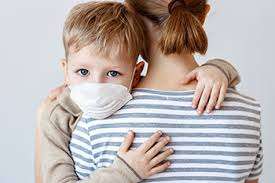
Type 2 diabetes is a metabolic disorder characterized by high blood sugar levels due to insulin resistance. It requires ongoing care to prevent complications and maintain quality of life.
- Symptoms: Increased thirst, frequent urination, fatigue, and slow healing of wounds.
- Diagnosis: Blood tests like fasting glucose and HbA1c levels confirm diagnosis.
- Treatment Options: Emphasis on lifestyle changes such as balanced nutrition, regular physical activity, weight loss, alongside oral medications or insulin therapy as needed.
- Lifestyle Management: Education on carbohydrate counting and meal planning plays a key role in managing this condition.
With disciplined management including medical supervision and lifestyle adaptations, individuals can live healthy lives despite type 2 diabetes.
HYPERTENSION MANAGEMENT
High blood pressure, or hypertension, is a common condition affecting many adults worldwide. It often develops without obvious symptoms but can lead to serious health issues if left uncontrolled.
- Symptoms and Causes: Often called the "silent killer" because it typically shows no symptoms; caused by lifestyle factors like poor diet, stress, and genetics.
- Diagnosis: Regular blood pressure monitoring using a sphygmomanometer during routine check-ups.
- Treatment: Lifestyle modifications such as dietary changes including reduced salt intake, regular exercise, weight management, and medication as prescribed by a physician.
- Monitoring: Continuous tracking of blood pressure at home or clinic visits to adjust treatment plans.
Proper control of hypertension significantly reduces the risk of heart disease and stroke. Patients are encouraged to adhere to treatment and follow-up for optimal health outcomes.