
Dr Anil Bansal
About Me
Dr Anil Bansal
MBBS
General Physician
10 Years Experience
Biography
My Clinic
OPD Hours
| Monday | Morning | 10:00 AM | - | 02:00 PM |
| Evening | 06:00 PM | - | 09:00 PM | |
| Tuesday | Morning | 10:00 AM | - | 02:00 PM |
| Evening | 06:00 PM | - | 09:00 PM | |
| Wednesday | Morning | 10:00 AM | - | 02:00 PM |
| Evening | 06:00 PM | - | 09:00 PM | |
| Thursday | Morning | 10:00 AM | - | 02:00 PM |
| Evening | 06:00 PM | - | 09:00 PM | |
| Friday | Morning | 10:00 AM | - | 02:00 PM |
| Evening | 06:00 PM | - | 09:00 PM | |
| Saturday | Morning | 10:00 AM | - | 02:00 PM |
| Evening | 06:00 PM | - | 09:00 PM | |
| Sunday | Morning | 10:00 AM | - | 02:00 PM |
| Evening | 06:00 PM | - | 09:00 PM |
Treatments
Specialised care and treatments offered
PULMONARY FUNCTION TESTS
Pulmonary function tests evaluate how well your lungs work by measuring lung capacity and flow rates. They are critical tools used for diagnosing respiratory conditions that may not present clear initial symptoms.
ANEMIA EVALUATION

Anemia refers to a deficiency of red blood cells or hemoglobin in the blood. It poses various health challenges if not properly assessed and managed. Understanding its causes aids in appropriate treatments being implemented early on.
CHOLESTEROL TESTING
Epidemiological studies emphasize cholesterol testing as an effective strategy for assessing cardiovascular health risks. Monitoring cholesterol levels helps gauge your risk for heart disease early on.
- Symptoms: High cholesterol typically presents with no visible symptoms but can lead to serious conditions like heart disease over time if left unmonitored.
- Causes: Factors contributing to high cholesterol often include poor diet high in saturated fats, lack of physical activity, smoking habits, and genetics.
THYROID FUNCTION TESTS
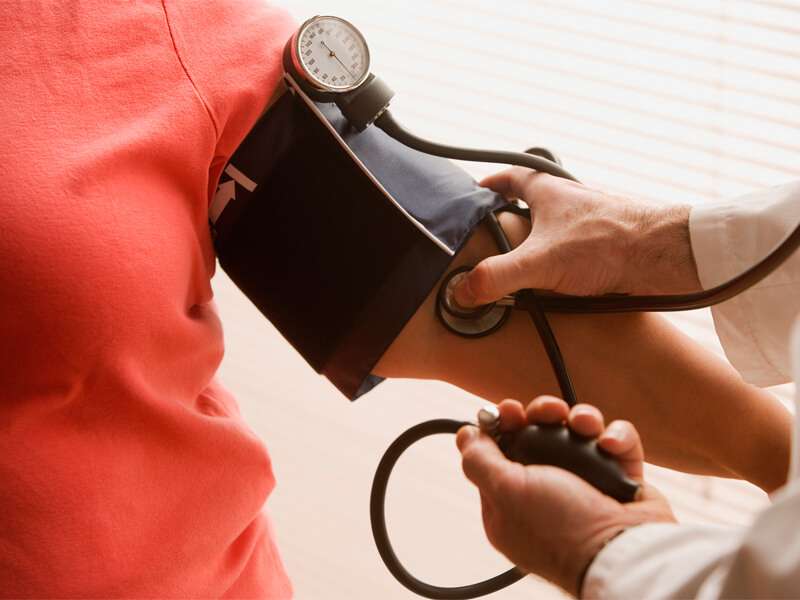
The thyroid plays a crucial role in regulating metabolism and energy levels in the body. Thyroid function tests help assess how well this small gland is performing its functions.
- Symptoms: Hypothyroidism may result in fatigue and weight gain while hyperthyroidism could cause weight loss and increased heart rate.
- Causes: Autoimmune diseases like Hashimoto's thyroiditis or Graves' disease are common causes affecting thyroid hormone production.
- Diagnosis: Blood tests measuring TSH (Thyroid Stimulating Hormone) levels along with T3 and T4 hormones are essential for diagnosing thyroid-related conditions.
- Treatment: Treatment options vary based on the diagnosed condition; hormone replacement therapy or antithyroid medications might be indicated based on test results.
- What to Expect: Ongoing monitoring will likely be required to ensure hormonal balance is maintained throughout treatment.
Mild discrepancies in thyroid function can have profound effects on overall health; hence regular testing is advisable for everyone over age 35 or with relevant symptoms.
DIABETES SCREENING

Diabetes screening is a vital process aimed at identifying individuals at risk of diabetes before symptoms appear. Early detection allows for timely intervention, greatly improving management prospects.
- Symptoms: Many individuals may not experience any obvious symptoms initially; however, increased thirst, frequent urination, and fatigue can occur over time.
- Causes: Risk factors include obesity, sedentary lifestyle, family history of diabetes, and certain ethnic backgrounds.
- Diagnosis: Blood tests including fasting blood glucose levels or HbA1c tests are used to confirm diabetes status or prediabetes conditions.
- Treatment: Depending on the diagnosis, interventions consist of lifestyle changes like diet control and exercising; medications might also be necessary if diabetes is confirmed.
- What to Expect: Regular follow-ups are essential for monitoring glucose levels and adjusting treatment plans as needed.
A proactive approach through screening can significantly enhance your quality of life by preventing complications associated with diabetes.
HYPERTENSION MANAGEMENT
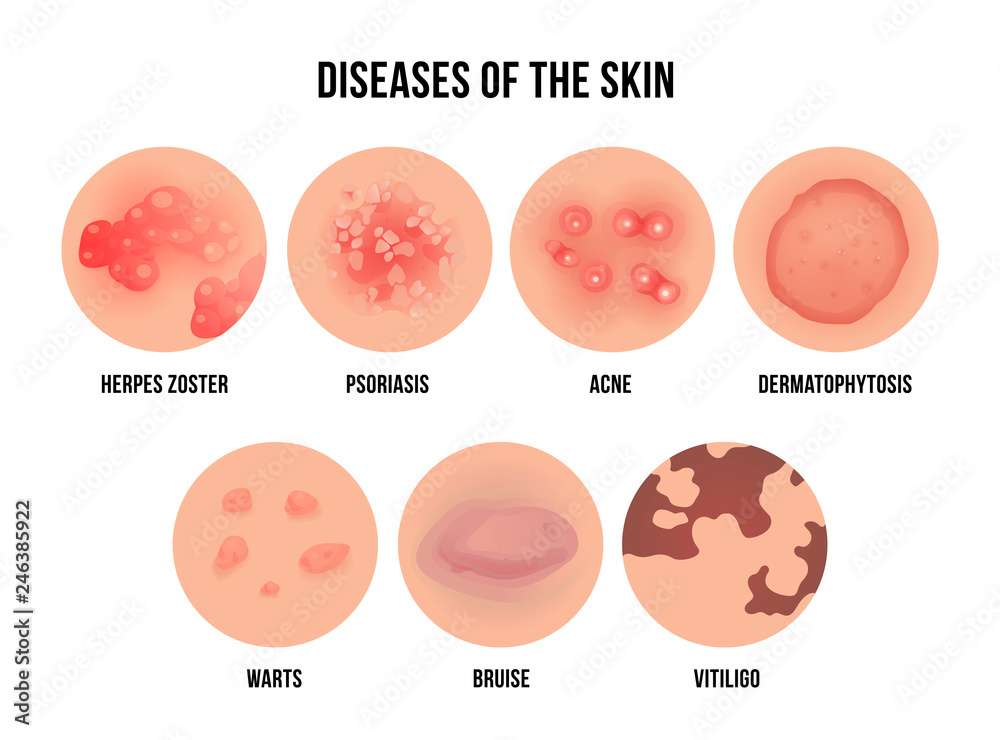
Hypertension, commonly referred to as high blood pressure, is a chronic condition that can lead to serious health complications if left untreated. It often develops silently and without symptoms, making regular monitoring essential for early detection.
- Symptoms: While it is often asymptomatic, severe hypertension may cause headaches, shortness of breath, or nosebleeds.
- Causes: Lifestyle factors such as obesity, lack of physical activity, excessive salt intake, and stress can increase the risk of developing hypertension.
- Diagnosis: Blood pressure readings taken during routine check-ups are the primary method for diagnosis. Additional tests may include urine tests or blood tests to assess kidney function and overall health.
- Treatment: Management includes lifestyle modifications like dietary changes and increased physical activity. In some cases, medication may be prescribed to lower blood pressure.
- What to Expect: Frequent monitoring and adjustments in treatment may be necessary. It's crucial to maintain follow-up appointments for optimal management.
Effective hypertension management can significantly reduce the risk of heart attacks and strokes while improving overall health outcomes.