
DR Anand Kishore
About Me
DR Anand Kishore
MD
Dermatologist
10 Years Experience
Biography
My Clinic
OPD Hours
| Monday | Morning | 10:00 AM | - | 02:00 PM |
| Evening | 06:00 PM | - | 09:00 PM | |
| Tuesday | Morning | 10:00 AM | - | 02:00 PM |
| Evening | 06:00 PM | - | 09:00 PM | |
| Wednesday | Morning | 10:00 AM | - | 02:00 PM |
| Evening | 06:00 PM | - | 09:00 PM | |
| Thursday | Morning | 10:00 AM | - | 02:00 PM |
| Evening | 06:00 PM | - | 09:00 PM | |
| Friday | Morning | 10:00 AM | - | 02:00 PM |
| Evening | 06:00 PM | - | 09:00 PM | |
| Saturday | Morning | 10:00 AM | - | 02:00 PM |
| Evening | 06:00 PM | - | 09:00 PM | |
| Sunday | Morning | 10:00 AM | - | 02:00 PM |
| Evening | 06:00 PM | - | 09:00 PM |
Treatments
Specialised care and treatments offered
WARTS
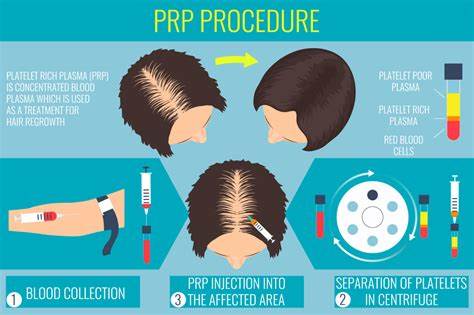
warts are benign growths caused by the human papillomavirus (HPV). They can develop anywhere on the body but are most common on hands and feet. Most warts pose no health risk but can be bothersome cosmetically or physically depending on their location
ROSACEA
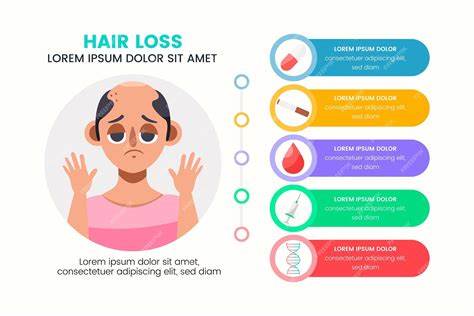
This chronic condition predominantly affects facial appearance through redness and visible blood vessels. Although it can affect anyone, it's more commonly observed in fair-skinned individuals between 30-50 years old.
- Key symptoms: Redness on the cheeks/nose/forehead accompanied by prominent blood vessels are typical indicators.
- Potential triggers: Triggers may vary from spicy foods and alcohol to temperature fluctuations causing challenges in management.
- Assessing rosacea: Diagnosis primarily involves reflecting on clinical history followed by examining physical signs presented.
- Treatment methods: Depending on severity levels available treatments range from topical gels to laser therapies aimed at minimizing inflammation.
- Living with rosacea: Being aware of personal triggers aids in effective long-term management strategies alongside medical guidance during flare-ups.
Adopting preventative measures can dramatically enhance quality of life for those affected by this condition.
SKIN CANCER SCREENING
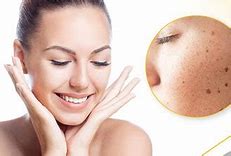
The importance of regular skin cancer screenings cannot be overstated; early detection significantly increases successful treatment outcomes. Skin cancer primarily develops due to UV exposure over time but can also arise without significant sun exposure history.
- Sightings to look for: Changes in existing moles—especially asymmetry or irregular borders—may indicate potential malignancies.
- Dermatological assessment: A complete body examination by a dermatologist is critical during these screenings for identification of any suspicious lesions.
- Treatment options: If detected early enough, many forms of skin cancer are treatable through excision or topical therapies depending on the type diagnosed.
- Follow-up advice: After treatment, regular follow-ups will help ensure any new concerns are addressed promptly.
Committing to annual skin checks fosters proactive attitudes toward overall skin health.
PSORIASIS
Psoiasis is an autoimmune condition that accelerates the life cycle of skin cells leading to thick silvery scales. It can appear on various parts of the body but is notably seen on elbows, knees, and scalp.
- Main signs: These include red patches covered with thick scales that may itch or cause discomfort.
- Causative factors: Genetics play a significant role alongside environmental triggers like stress or infections.
- I.D. process: Diagnosis often involves visual examination; occasionally a biopsy might be required for confirmation.
- Treatment approaches: Options range from topical treatments to phototherapy or systemic medications depending on severity.
- Your journey: Expect ongoing management as psoriasis varies greatly among individuals in terms of severity and response to treatment.
Psycho-social support is also valuable; living well with psoriasis is achievable!
ECZEMA
Eczema is a chronic inflammatory skin condition characterized by dry and itchy skin. It commonly manifests in childhood but can occur at any age.
- Symptoms: Symptoms include red patches, dryness, and intense itching which can worsen at night.
- Causes: Triggers vary but may include allergens like dust mites or pet dander, and environmental factors such as temperature changes.
- Diagnosis: Diagnosis typically involves an evaluation of medical history and a close examination of the affected areas.
- Treatment avenues: Topical steroids are commonly used along with moisturizers to manage flare-ups effectively.
- Coping strategies: Keeping the skin hydrated is crucial; avoid known irritants for better management of symptoms.
A comprehensive approach helps in reducing flare-ups and maintaining healthy skin.
ACNE
Acne is a common skin condition that affects individuals of all ages, particularly during adolescence. It occurs when hair follicles are clogged with oil and dead skin cells, leading to various types of blemishes.
- Symptoms: The most common symptoms include whiteheads, blackheads, and cysts.
- Causes: Factors contributing to acne include hormonal changes, genetics, and certain medications.
- Diagnosis: A dermatologist can evaluate your skin through a physical examination; sometimes, additional tests may be needed.
- Treatment options: Common treatments include over-the-counter topical medications, prescription antibiotics, and in some cases, isotretinoin therapy.
- What to expect: Treatments often require patience as results can take weeks to months; however, most patients see significant improvement.
Managing acne effectively involves understanding the triggers and sticking to a consistent treatment regimen for clearer skin.