
Dr Anand Bajpai
About Me
Dr Anand Bajpai
MBBS
General Physician
10 Years Experience
Biography
My Clinic
OPD Hours
| Monday | Morning | 10:00 AM | - | 02:00 PM |
| Evening | 06:00 PM | - | 09:00 PM | |
| Tuesday | Morning | 10:00 AM | - | 02:00 PM |
| Evening | 06:00 PM | - | 09:00 PM | |
| Wednesday | Morning | 10:00 AM | - | 02:00 PM |
| Evening | 06:00 PM | - | 09:00 PM | |
| Thursday | Morning | 10:00 AM | - | 02:00 PM |
| Evening | 06:00 PM | - | 09:00 PM | |
| Friday | Morning | 10:00 AM | - | 02:00 PM |
| Evening | 06:00 PM | - | 09:00 PM | |
| Saturday | Morning | 10:00 AM | - | 02:00 PM |
| Evening | 06:00 PM | - | 09:00 PM | |
| Sunday | Morning | 10:00 AM | - | 02:00 PM |
| Evening | 06:00 PM | - | 09:00 PM |
Treatments
Specialised care and treatments offered
SEASONAL ALLERGIC RHINITIS TREATMENT
This allergic reaction affects the nasal passages during specific seasons triggered by pollen or dust exposure. Patients experience bothersome inflammation impacting daily activities if unmanaged properly.
- Symptoms & causes: Sneezing fits , nasal congestion , itching eyes caused by immune response to allergens ;
- Diagnosis : Based on history combined with skin prick testing for allergen identification ;
- Management : Includes antihistamines , nasal corticosteroids , avoidance strategies ;
- Outlook : Symptoms can be well controlled , improving quality of life significantly .
With consistent preventive measures along with medication use , patients can breeze through allergy seasons more comfortably .
GASTROESOPHAGEAL REFLUX DISEASE (GERD) CARE

This condition involves the backward flow of stomach acid into the esophagus causing discomfort. Effective management focuses on relieving symptoms and preventing esophageal injury.
- Main signs and triggers: Heartburn sensations post meals especially after fatty foods or large portions; possible regurgitation or sore throat sensation;
ANEMIA EVALUATION AND MANAGEMENT

Anemia results from a decrease in red blood cells or hemoglobin levels reducing oxygen delivery to tissues. It presents in various forms requiring tailored interventions based on cause.
- Causal factors and symptoms: Iron deficiency most common; others include vitamin B12 deficiency or chronic diseases; symptoms may be fatigue, pallor, dizziness.
- Diagnostic steps: Complete blood count tests followed by iron studies or vitamin assays provide clarity on type of anemia.
- Treatment strategies: Supplementation (iron/vitamins), dietary changes; treat underlying conditions if identified.
A structured diagnostic workup leads to effective treatment plans that restore energy levels and overall wellbeing safely over time.
ACUTE RESPIRATORY INFECTIONS
The common cold and other acute respiratory infections affect the nose, throat, sinuses, or lungs. These infections usually resolve without complications but need proper care for comfort and contagion control.
- Causative factors and signs: Viral pathogens commonly cause symptoms like cough, sore throat, nasal congestion, fever.
- Diagnostic evaluation: Clinical examination typically suffices; occasionally chest X-rays or lab tests are warranted for severe cases.
- Treatment modalities: Symptomatic relief with rest, fluids, antipyretics; antibiotics only if bacterial infection is confirmed.
- Course expectations: Symptoms generally improve in 7-10 days; seek medical advice if worsening occurs.
A careful approach ensures rapid recovery while minimizing unnecessary use of antibiotics.
TYPE 2 DIABETES MELLITUS CARE
This chronic condition affects the body's ability to regulate blood sugar due to insulin resistance. Managing diabetes involves controlling glucose levels to prevent long-term health problems.
- Causes and symptoms: Includes obesity, sedentary lifestyle; symptoms may be increased thirst, frequent urination, fatigue.
- Diagnosis process: Blood tests such as fasting glucose or HbA1c provide an accurate assessment.
- Treatment approach: Combination of dietary control, physical activity, oral medications, or insulin therapy tailored individually.
- Lifestyle support: Education on meal planning and monitoring blood sugar at home is essential.
A comprehensive approach helps maintain optimal glycemic control and reduces the risk of complications like nerve damage or cardiovascular disease.
HYPERTENSION MANAGEMENT
High blood pressure, or hypertension, is a common condition that can lead to serious health issues if left uncontrolled. It often develops over many years without noticeable symptoms but requires careful management to prevent complications.
- Symptoms and causes: Often symptomless; influenced by factors like genetics, diet, stress, and weight.
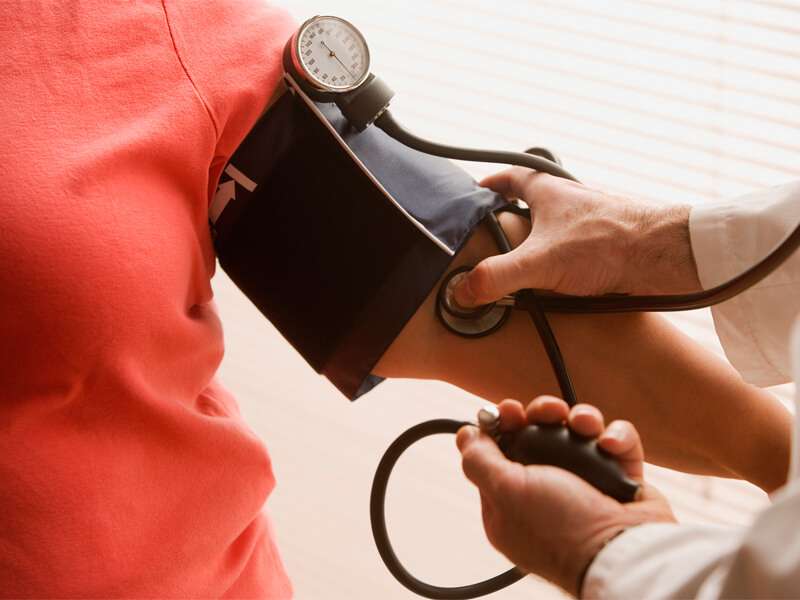
- Diagnosis: Confirmed through repeated blood pressure measurements using a sphygmomanometer over several visits.
- Treatment options: Lifestyle modifications such as diet and exercise combined with prescribed antihypertensive medications.
- Monitoring: Regular follow-ups to adjust therapy and track blood pressure levels.
- Expectations: With proper management, patients can maintain healthy blood pressure and reduce risk of strokes and heart disease.
Early detection and adherence to treatment plans are crucial for controlling hypertension effectively.