
Dr Amod Urocare
About Me
Dr Amod Urocare
MBBS
General Physician
10 Years Experience
Biography
My Clinic
OPD Hours
| Monday | Morning | 10:00 AM | - | 02:00 PM |
| Evening | 06:00 PM | - | 09:00 PM | |
| Tuesday | Morning | 10:00 AM | - | 02:00 PM |
| Evening | 06:00 PM | - | 09:00 PM | |
| Wednesday | Morning | 10:00 AM | - | 02:00 PM |
| Evening | 06:00 PM | - | 09:00 PM | |
| Thursday | Morning | 10:00 AM | - | 02:00 PM |
| Evening | 06:00 PM | - | 09:00 PM | |
| Friday | Morning | 10:00 AM | - | 02:00 PM |
| Evening | 06:00 PM | - | 09:00 PM | |
| Saturday | Morning | 10:00 AM | - | 02:00 PM |
| Evening | 06:00 PM | - | 09:00 PM | |
| Sunday | Morning | 10:00 AM | - | 02:00 PM |
| Evening | 06:00 PM | - | 09:00 PM |
Treatments
Specialised care and treatments offered
HYPOTHYROIDISM
A condition where the thyroid gland underproduces hormones resulting in slowed metabolism causing various systemic effects. Early detection enables effective symptom relief and complication avoidance.
- Symptoms commonly include: fatigue, weight gain despite no changes in diet or activity level, cold intolerance
- Diagnostic Tools: Blood tests checking TSH (thyroid-stimulating hormone) levels primarily along with free T4 hormone assess gland function accurately
- Standard Treatment Approach: Daily thyroid hormone replacement therapy (levothyroxine) effectively restores normal hormonal balance requiring periodic dose adjustments
With proper medication compliance monitored regularly by healthcare providers the prognosis is excellent allowing most individuals to lead normal healthy lives despite hypothyroidism diagnosis.
GOUT

This painful form of arthritis results from uric acid crystal buildup in joints leading to inflammation. It commonly affects middle-aged men but can occur at any age with certain risk factors present.
- Main Causes: Overproduction or impaired excretion of uric acid influenced by genetics, diet high in purines (red meat, seafood), alcohol use.
- Makes Diagnosis Possible via: Clinical presentation combined with joint fluid analysis identifying urate crystals; serum uric acid measurement assists as well.
- Treatment Modalities Include: Acute flare managed with NSAIDs or colchicine; long-term control involves lifestyle changes plus medications lowering uric acid levels like allopurinol if indicated.
Efficacious gout management prevents recurrent attacks and protects joints from irreversible damage through consistent therapy adherence along with lifestyle adaptation.
IRON DEFICIENCY ANEMIA

Anemia arises when there is an insufficient number of red blood cells or hemoglobin in the body. Iron deficiency anemia is one of the most frequent forms worldwide due to inadequate iron intake or absorption issues.
- Syndrome Features: Fatigue, pallor, shortness of breath upon exertion are typical manifestations.
- Labs Used for Diagnosis: Complete blood count shows low hemoglobin; serum ferritin confirms iron stores depletion.
- Therapeutic Measures: Oral iron supplements combined with dietary advice rich in iron-containing foods are the mainstay treatment options.
If addressed timely through supplementation and correction of underlying causes such as bleeding or malabsorption problems, recovery from iron deficiency anemia is typically excellent without lasting effects.
CHRONIC OBSTRUCTIVE PULMONARY DISEASE (COPD)
COPD is a progressive respiratory illness characterized by airflow limitation which makes breathing difficult. It mostly affects older adults with a history of smoking or exposure to lung irritants.
- Common Symptoms: Persistent cough, shortness of breath especially on exertion, wheezing.
- Diagnosis Methods: Pulmonary function tests including spirometry confirm airflow obstruction; chest X-rays aid evaluation.
- Treatment Plans: Smoking cessation is critical; bronchodilators and corticosteroids help control symptoms; pulmonary rehabilitation supports lung function improvement.
- Disease Monitoring: Routine check-ups evaluate progression and prevent exacerbations through timely interventions.
A multidisciplinary approach focusing on symptom control can improve day-to-day breathing comfort and overall wellbeing for COPD patients.
TYPE 2 DIABETES MELLITUS

This metabolic disorder affects how your body processes glucose resulting in elevated blood sugar levels. It is highly prevalent and requires careful monitoring to avoid complications.
- Causative Factors: Insulin resistance due to obesity, sedentary lifestyle, family history are common contributors.
- Diagnostic Criteria: Blood tests like fasting glucose level and HbA1c help establish diagnosis.
- Treatment Approaches: Emphasis on dietary management, physical activity, oral hypoglycemics or insulin as needed.
- Lifestyle Adjustments: Weight control and smoking cessation improve outcomes significantly.
With proper treatment adherence, many patients can maintain good quality of life while preventing serious long-term consequences such as neuropathy or cardiovascular disease.
HYPERTENSION MANAGEMENT
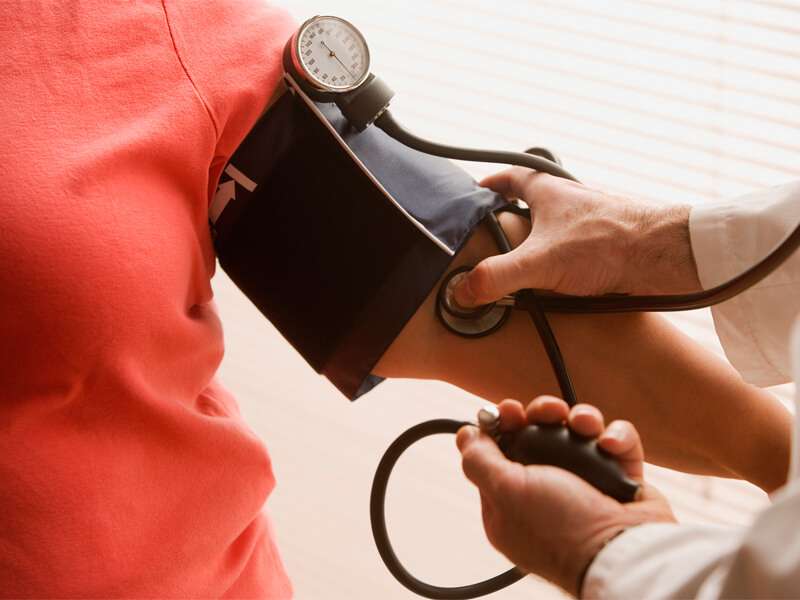
High blood pressure, or hypertension, is a common condition that can lead to serious health issues if left uncontrolled. It often develops over several years and may not present any clear symptoms initially.
- Symptoms and Causes: Often asymptomatic; caused by genetics, diet, obesity, stress, and other factors.
- Diagnosis: Regular blood pressure monitoring with a sphygmomanometer during several visits to confirm persistent elevation.
- Treatment Options: Lifestyle modifications like diet and exercise, medications such as ACE inhibitors or diuretics may be prescribed.
- Management: Long-term control involves regular follow-ups to adjust therapy and monitor for complications.
Effective hypertension management reduces the risk of heart attack, stroke, and kidney damage through consistent care and patient adherence.