
Dr Amit Verma
About Me
Dr Amit Verma
MS
Orthopaedic Surgeons
10 Years Experience
Biography
My Clinic
OPD Hours
| Monday | Morning | 10:00 AM | - | 02:00 PM |
| Evening | 06:00 PM | - | 09:00 PM | |
| Tuesday | Morning | 10:00 AM | - | 02:00 PM |
| Evening | 06:00 PM | - | 09:00 PM | |
| Wednesday | Morning | 10:00 AM | - | 02:00 PM |
| Evening | 06:00 PM | - | 09:00 PM | |
| Thursday | Morning | 10:00 AM | - | 02:00 PM |
| Evening | 06:00 PM | - | 09:00 PM | |
| Friday | Morning | 10:00 AM | - | 02:00 PM |
| Evening | 06:00 PM | - | 09:00 PM | |
| Saturday | Morning | 10:00 AM | - | 02:00 PM |
| Evening | 06:00 PM | - | 09:00 PM | |
| Sunday | Morning | 10:00 AM | - | 02:00 PM |
| Evening | 06:00 PM | - | 09:00 PM |
Treatments
Specialised care and treatments offered
ANKLE LIGAMENT RECONSTRUCTION
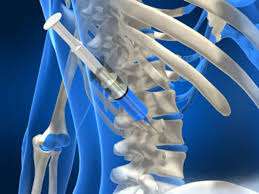
Ankle ligament reconstruction serves as a corrective measure for individuals suffering from chronic instability due primarily due multiple sprains affecting ankle ligaments over time. The procedure reinforces weak connections enabling improved performance during physical activities thereafter
- Recurrent ankle sprains accompanied by swelling , pain , or difficulty bearing weight signify potential instability problems requiring further evaluation .
- Advanced imaging techniques such as MRI coupled with clinical assessments facilitate precise diagnoses throughout treatment pathways.
- Surgical interventions usually involve grafting tissue either taken from other parts within one's body (autograft) , cadaver sources (allograft), ensuring optimum strength reinforcement along those vulnerable zones ;
- Post-operative courses often incorporate balance enhancement regimes designed alongside tailored physiotherapeutic assistance aiming toward restoring agility rapidly ;
With successful outcomes showcasing lasting support for active lifestyles amidst recovery phases , this intervention empowers individuals seeking credible ways towards reclaiming their independence again .
CARPAL TUNNEL RELEASE
This surgical intervention targets carpal tunnel syndrome—a painful condition caused by compression of the median nerve at the wrist. Carpal tunnel release effectively alleviates symptoms such as numbness, tingling, and weakness in hand muscles associated with this syndrome.
- The onset might stem from repetitive motion tasks or underlying health issues like diabetes impacting nerve function.
- A thorough exam along with diagnostic tests ensures accurate identification of carpal tunnel syndrome before proceeding with treatment options like surgery when conservative methods prove ineffective.
- The release may be performed via open surgery or endoscopic techniques depending on specific patient needss
- Recovery plans generally emphasize hand therapy aimed at restoring functionality along with reducing any residual discomfort post-operation
This minimally invasive approach promises quick symptom relief while allowing a return to everyday activities relatively soon for affected individuals。
SPINAL FUSION SURGERY

This critical surgical procedure aims to join two or more vertebrae together permanently. Spinal fusion addresses issues such as chronic back pain, degenerative disc disease, or spinal instability by eliminating motion between these bones when necessary.
- Pain stemming from conditions like herniated discs can lead patients to seek this option after conservative treatments fail.
- A thorough evaluation including clinical assessments and imaging studies assists in making an informed diagnosis prior to surgery.
- Procedure options range from anterior lumbar interbody fusion (ALIF) to posterior cervical fusion depending on the affected area of the spine.
- Post-surgery recovery usually involves limited activity followed by gradually increasing exercises under supervision of healthcare professionals.
The goal of spinal fusion is significant pain reduction combined with improved stability in spine functions for enhanced life quality post-treatment.
SHOULDER STABILIZATION SURGERY

This surgical procedure aims to correct shoulder instability caused by dislocations or repeated subluxations. It encompasses various techniques that repair torn ligaments or reposition bones to stabilize the shoulder joint effectively.
- Common causes include sports injuries or traumatic falls leading to recurrent shoulder dislocation.
- A comprehensive physical examination followed by imaging like MRI helps in accurate diagnosis.
- Surgical options may involve tightening loose ligaments or using anchors to secure them in place.
- The rehabilitation process often includes physical therapy focused on regaining strength and range of motion while ensuring stability in daily activities.
Successful shoulder stabilization not only alleviates pain but also restores confidence in movement for athletes and active individuals alike.
HIP REPLACEMENT SURGERY

Hip replacement surgery is a procedure aimed at relieving pain and restoring function in hips severely damaged by arthritis or injury. During this surgery, the damaged ball-and-socket hip joint is replaced with artificial components made of metal, plastic, or ceramic materials.
- Symptoms often include chronic pain, stiffness, and reduced range of motion.
- A thorough assessment involving physical exams and imaging studies leads to the diagnosis.
- Surgical options can include total hip replacement or partial hip replacement depending on the extent of damage.
- Post-operative care focuses on managing pain and implementing exercises to enhance recovery speed.
This intervention offers long-term relief from hip-related discomfort and improves mobility for a better quality of life.
KNEE ARTHROSCOPY

Knee arthroscopy is a minimally invasive surgical procedure used to diagnose and treat various knee conditions. It involves the use of a small camera, called an arthroscope, which is inserted into the joint through tiny incisions. This technique allows surgeons to view the internal structures of the knee without making large cuts.
- Common indications include meniscus tears, ligament injuries, and cartilage damage.
- The diagnosis is confirmed through physical examinations and imaging tests such as MRIs or X-rays.
- Treatment may involve repairing damaged tissues, removing loose fragments, or smoothing rough cartilage surfaces.
- Recovery typically involves rest and gradual rehabilitation to restore strength and mobility.
Overall, knee arthroscopy can significantly reduce pain and improve function, enabling patients to return to their daily activities quicker than with traditional open surgery.