
DR Amit Chaudhary
About Me
DR Amit Chaudhary
B.P.T
Physiotherapist
10 Years Experience
Biography
My Clinic
OPD Hours
| Monday | Morning | 10:00 AM | - | 02:00 PM |
| Evening | 06:00 PM | - | 09:00 PM | |
| Tuesday | Morning | 10:00 AM | - | 02:00 PM |
| Evening | 06:00 PM | - | 09:00 PM | |
| Wednesday | Morning | 10:00 AM | - | 02:00 PM |
| Evening | 06:00 PM | - | 09:00 PM | |
| Thursday | Morning | 10:00 AM | - | 02:00 PM |
| Evening | 06:00 PM | - | 09:00 PM | |
| Friday | Morning | 10:00 AM | - | 02:00 PM |
| Evening | 06:00 PM | - | 09:00 PM | |
| Saturday | Morning | 10:00 AM | - | 02:00 PM |
| Evening | 06:00 PM | - | 09:00 PM | |
| Sunday | Morning | 10:00 AM | - | 02:00 PM |
| Evening | 06:00 PM | - | 09:00 PM |
Treatments
Specialised care and treatments offered
BALANCE TRAINING
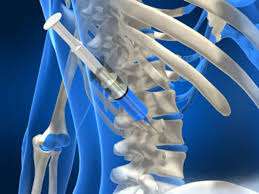
Balance training focuses on enhancing stability which is essential for preventing falls—especially among older adults who may have diminished reactions over time due age-related changes affecting coordination & muscle strength levels!
ERGONOMIC ASSESSMENT
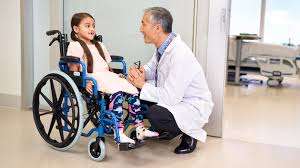
An ergonomic assessment evaluates workstations or environments to optimize comfort for employees. Good ergonomics help prevent musculoskeletal disorders prevalent in today's work culture scenarios resulting from poor posture or repetitive strain injuries.
- Symptoms indicating the need for an ergonomic check could involve persistent aches, fatigue from prolonged sitting/standing positions or discomfort arising from incorrect tool usage during tasks performed regularly at home or work environments.
- This assessment starts with an analysis of your workspace setup followed by recommendations tailored specifically around equipment adjustments ensuring they suit individual needs better moving forward into healthier routines throughout each day spent working or engaging in daily chores alike!
GAIT ANALYSIS AND CORRECTION

The way we walk can be indicative of underlying issues. Gait analysis identifies abnormalities that may lead to injuries if not addressed promptly.
- Common signs requiring gait correction might include limping, shuffling steps, or unusual wear patterns on shoes that reveal alignment issues.
- An initial assessment includes observing walking patterns combined with other diagnostic tools like video analysis for precision in evaluation.
- Treatment strategies usually focus on specific exercises designed to strengthen weak muscles while stretching tight ones, coupled with recommendations for supportive footwear if necessary.
- A successful program enhances balance and coordination while reducing injury risk significantly over time, encouraging more active lifestyles for individuals struggling with gait issues.
Catching these issues early through gait analysis enables effective intervention strategies that improve overall mobility healthily and sustainably.
CHRONIC PAIN MANAGEMENT

Chronic pain can severely impact an individual’s quality of life. Physiotherapy offers several approaches aimed at managing this persistent issue effectively.
- Pain symptoms can vary widely, often characterized by discomfort that lasts for over three months without a clear cause.
- Your physiotherapist will conduct a detailed assessment including medical history to identify contributing factors associated with your chronic pain conditions.
- Treatment options may include therapeutic exercises, biofeedback, or aerobic conditioning, all aimed at minimizing discomfort while promoting functional capabilities.
- Education about posture and ergonomics is also essential in helping patients manage their pain daily.
- The expectation is that patients will experience reduced intensity and frequency of pain episodes with continuous engagement in their management plan.
The ultimate goal is empowering individuals living with chronic pain through education, techniques, and supportive therapies that foster improved well-being over time.
POST-OPERATIVE REHABILITATION

Post-operative rehabilitation is critical for ensuring successful recovery after surgery. It helps restore movement, strength, and functionality while reducing complications.
- Common symptoms that necessitate rehabilitation include pain, stiffness, and difficulty in performing daily activities.
- The diagnosis of recovery needs is based on surgical history and ongoing assessments of progress through physical examinations.
- Treatment strategies often involve tailored exercise regimens, manual therapy, and supportive modalities aimed at decreasing pain and improving mobility.
- A multidisciplinary approach may be employed to enhance healing effectively during this phase of recovery.
- Commitment to the rehabilitation process significantly improves outcomes and decreases recovery time.
A structured post-operative rehab program ensures patients regain independence sooner and enhances overall quality of life.
SPORTS INJURY REHABILITATION

Recovering from a sports injury can be a challenging journey. Physiotherapy plays a crucial role in restoring function and alleviating pain following various injuries sustained during physical activities.
- Symptoms may include swelling, pain, and limited mobility in the affected area.
- Diagnosis often involves a thorough physical assessment and imaging tests like X-rays or MRI to determine the extent of the injury.
- Treatment typically includes manual therapy, exercise programs, and modalities such as ultrasound or electrical stimulation to promote healing.
- A personalized rehabilitation plan is essential, focusing on gradual improvement and strength building.
- Patients can expect to regain full function with adherence to the rehabilitation protocols.
Early intervention is vital to ensure optimal recovery from sports injuries, enabling athletes to return safely to their activities.