
DR Amit Agarwal
About Me
DR Amit Agarwal
MBBS
Dermatologist
10 Years Experience
Biography
My Clinic
OPD Hours
| Monday | Morning | 10:00 AM | - | 02:00 PM |
| Evening | 06:00 PM | - | 09:00 PM | |
| Tuesday | Morning | 10:00 AM | - | 02:00 PM |
| Evening | 06:00 PM | - | 09:00 PM | |
| Wednesday | Morning | 10:00 AM | - | 02:00 PM |
| Evening | 06:00 PM | - | 09:00 PM | |
| Thursday | Morning | 10:00 AM | - | 02:00 PM |
| Evening | 06:00 PM | - | 09:00 PM | |
| Friday | Morning | 10:00 AM | - | 02:00 PM |
| Evening | 06:00 PM | - | 09:00 PM | |
| Saturday | Morning | 10:00 AM | - | 02:00 PM |
| Evening | 06:00 PM | - | 09:00 PM | |
| Sunday | Morning | 10:00 AM | - | 02:00 PM |
| Evening | 06:00 PM | - | 09:00 PM |
Treatments
Specialised care and treatments offered
CHRONIC URTICARIA RELIEF MEASURES
This condition appears as recurrent hives—red itchy welts ranging in size—that last more than six weeks without an identifiable acute cause. It can impact daily comfort significantly due to persistent itching and swelling episodes across various body parts including limbs and trunk alike .
- The hallmark symptoms: raised wheals accompanied by intense pruritus worsening at night sometimes causing sleep disturbances;
- Causation is frequently idiopathic though associations exist including autoimmune disorders environmental allergens infections medication reactions;
- a complete dermatological history alongside targeted investigations guides precise identification though not always definitive;
- Treatment primarily relies upon regular administration of non-sedating antihistamines adjusting doses until symptom control is achieved; iBiologics reserved for refractory instances according to specialist recommendation;
- Lifestyle modifications encompassing trigger avoidance stress reduction enhance therapeutic outcomes notably improving patient well-being overall;
Sustained follow-up ensures optimal dosing regimens helping patients regain normalcy despite chronic nature inherent in urticaria presentations;
HYPERPIGMENTATION MANAGEMENT
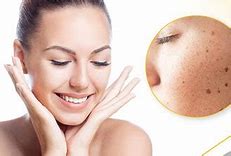
This refers to darkened areas of the skin caused by excessive melanin production due to sun exposure, hormonal changes or post-inflammatory processes following injury or acne lesions. Commonly seen on the face especially cheeks and forehead regions.
- The main suspicious signs: uneven brownish spots varying in size which might grow darker over time if untreated.
- Causative factors include ultraviolet radiation exposure stimulating melanocyte activity alongside genetics influencing susceptibility patterns;
- A dermatologist evaluates these spots clinically to exclude malignancies using dermoscopy when necessary before recommending treatment plans;
- Therapies focus on daily broad-spectrum sunscreen use preventing further pigmentation plus topical agents such as hydroquinone, azelaic acid or chemical peels under professional supervision;
- Lifestyle advice centers around sun avoidance strategies including protective clothing facilitating reduction in symptom progression effectively;
An early intervention combined with sustained protective measures significantly helps diminish hyperpigmented zones enhancing cosmetic appearance safely over several months duration;
SEBORRHEIC DERMATITIS TREATMENT
This condition is recognized by red patches with greasy-looking scales appearing commonly on oily regions like the scalp (dandruff), face near eyebrows or around the nose.
- The prominent symptoms: flaky skin combined with redness causing discomfort or cosmetic concern.
- The exact cause remains unclear but it’s linked to yeast Malassezia proliferation on oily skin areas plus possible immune response abnormalities.
- A thorough visual inspection helps diagnose this disorder without need for invasive tests usually needed only if other conditions are suspected.
- Treatment involves medicated shampoos containing ketoconazole or selenium sulfide; topical antifungal creams paired sometimes with mild corticosteroids help control inflammation during flares.
- Maintaining appropriate scalp hygiene regularly reduces recurrence rates along with avoiding harsh hair products that can exacerbate irritation.
Diligent maintenance therapy ensures this often chronic condition stays controlled minimizing symptoms effectively over time.
PSORIASIS SYMPTOM CONTROL
This immune-mediated disease causes rapid skin cell turnover leading to raised red plaques covered with silvery scales. It often affects elbows, knees, scalp, and lower back but can occur anywhere on the body.
- The main symptoms include well-demarcated scaly plaques that may be itchy or sore.
- The cause involves genetic factors combined with immune system dysfunction resulting in inflammation and skin cell proliferation.
- A healthcare professional confirms diagnosis through physical exam and occasionally a skin biopsy if uncertain.
- Treatment may entail topical corticosteroids or vitamin D analogs for mild disease; phototherapy or systemic agents such as methotrexate for moderate-to-severe cases.
- Lifestyle modifications like managing stress and avoiding known triggers contribute greatly to controlling flare-ups.
A holistic approach encompassing medication adherence plus lifestyle awareness tends to achieve better long-term symptom management in psoriasis patients.
ATOPIC DERMATITIS CARE
This chronic inflammatory skin condition results in dry, itchy patches typically found on flexural areas like the inside of elbows and behind knees. It can flare periodically with varying severity.
- Symptoms include intense itching, redness, dryness with scaling or thickening over time.
- The exact causes are multifactorial involving genetic predisposition and environmental triggers like allergens or irritants.
- A dermatologist diagnoses based on clinical history and appearance; allergy testing may be recommended to identify triggers.
- Treatment focuses on moisturization with emollients, topical steroids to reduce inflammation during flares, and sometimes antihistamines to control itching.
- Avoidance of harsh soaps or irritants along with stress management helps reduce exacerbations.
Proper skin care combined with medical treatments can substantially improve quality of life for those affected by atopic dermatitis.
ACNE VULGARIS MANAGEMENT
Acne vulgaris is a common skin issue that affects many individuals, especially during adolescence, but can persist into adulthood. It manifests as pimples, blackheads, and sometimes cystic lesions primarily on the face, chest, and back.
- Symptoms include whiteheads, blackheads, pustules, nodules, and possible scarring.
- Causes stem from excess oil production, clogged pores, bacteria proliferation, and inflammation influenced by hormonal changes.
- Diagnosis is usually clinical through physical examination of the skin by a dermatologist.
- Treatment options involve topical agents like retinoids and antibiotics, oral medications for severe cases including isotretinoin or hormonal therapy for females.
- Lifestyle factors such as gentle skincare routines and avoiding pore-clogging products also play a key role in management.
A personalized treatment plan targeting both symptoms and underlying causes often leads to effective control of acne while minimizing potential scarring.