
Dr Amilal Bhat ड
About Me
Dr Amilal Bhat ड
MS
Urologists
Biography
My Clinic
OPD Hours
| Monday | Morning | 10:00 AM | - | 02:00 PM |
| Evening | 06:00 PM | - | 09:00 PM | |
| Tuesday | Morning | 10:00 AM | - | 02:00 PM |
| Evening | 06:00 PM | - | 09:00 PM | |
| Wednesday | Morning | 10:00 AM | - | 02:00 PM |
| Evening | 06:00 PM | - | 09:00 PM | |
| Thursday | Morning | 10:00 AM | - | 02:00 PM |
| Evening | 06:00 PM | - | 09:00 PM | |
| Friday | Morning | 10:00 AM | - | 02:00 PM |
| Evening | 06:00 PM | - | 09:00 PM | |
| Saturday | Morning | 10:00 AM | - | 02:00 PM |
| Evening | 06:00 PM | - | 09:00 PM | |
| Sunday | Morning | 10:00 AM | - | 02:00 PM |
| Evening | 06:00 PM | - | 09:00 PM |
Treatments
Specialised care and treatments offered
CRYOTHERAPY FOR PROSTATE CANCER
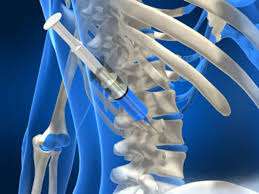
Cryotherapy employs freezing technology as an innovative treatment option for localized prostate cancer. It targets cancer cells directly while sparing surrounding healthy tissue upholding patient safety throughout therapy sessions it entails
- Patients often present symptoms like lower back pain or changes in urinary habits prompting diagnosis via biopsies alongside imaging techniques ensuring targeted treatment possibilities discovered beforehand .
- Following staging evaluations cryotherapy procedures conducted under local anesthesia predominantly occur on an outpatient basis offering expedited recovery rates contrasted against more invasive alternatives available .
- Potential side effects such as temporary erectile dysfunction exist yet have demonstrated remarkable resolution over time among most individuals participating through scheduled follow-up assessments promoting emotional reassurance during this phase towards lifestyle adjustments incorporated afterward .
As advancements continue within urological oncology field exploring cryotherapy signifies hopefulness alongside empowerment amid challenging journeys faced when combating malignancies traditionally managed differently revealing diverse solutions highlighted herein
TRANSURETHRAL RESECTION OF THE PROSTATE (TURP)

TURP is a surgical procedure primarily utilized for treating benign prostatic hyperplasia (BPH) by removing excess prostate tissue. This technique offers significant relief from symptoms associated with enlarged prostates, enhancing overall urinary function
- This condition often manifests through weak urine flow, difficulty starting urination, or frequent nighttime urination known as nocturia.
- A thorough assessment includes digital rectal exams (DRE) combined with PSA blood tests followed by imaging studies when necessary for conclusive results before surgery consideration
- The TURP procedure typically requires hospitalization but boasts rapid recovery times attended by close chemical monitoring post-intervention.
- Patients should anticipate periodic check-ups following TURP as part of their comprehensive care regimen ensuring optimal long-term management outcomes related specifically towards urinary health.
Effective management through TURP restores comfort while addressing underlying issues effectively.
URETHRAL STRICTURE SURGERY

Surgery for urethral stricture involves correcting narrowings in the urethra that can obstruct urine flow. This condition can significantly impact quality of life due to painful urination and frequent urinary tract infections (UTIs).
- Symptoms often include painful urination, decreased urinary stream, and possible recurrent UTIs that stem from blockages caused by strictures.
- A thorough diagnosis may involve cystoscopy wherein a flexible tube with a camera examines the urethra directly for signs of narrowing or blockage.
- S urgical approaches can vary from dilation techniques to more complex reconstructive surgeries depending on severity and location of strictures.
- Post-operative care focuses on monitoring healing while precautions against infection are emphasized.
Recognizing urethral stricture symptoms early leads to better outcomes through timely intervention.
VASECTOMY

A vasectomy is a surgical method designed for male sterilization where the vas deferens is cut or sealed. It’s considered a permanent form of contraception for those who do not wish to have children in the future.
- Men may consider this option if they experience anxiety about unintended pregnancies or have completed their family planning goals.
- An examination is often coupled with a discussion about alternative birth control methods before deciding on this procedure.
- The operation itself is usually quick with local anesthesia and does not require extensive recovery time; most men return to normal activities within days.
- It’s important to note that it does not provide immediate infertility; therefore, alternate contraception should be used until confirmed sperm-free semen analysis results are obtained after the procedure.
Caring discussions regarding expectations post-vasectomy are crucial for informed decision-making regarding reproductive health.
LITHOTRIPSY

Lithotripsy is a non-invasive procedure used to treat kidney stones by using shock waves to break them into smaller pieces. This method has gained popularity due to its effectiveness and minimal recovery time required.
- Signs that you may need lithotripsy include severe pain in the lower back or side, blood in urine, and frequent urinary infections caused by stone obstruction.
- Diagnosis typically involves imaging studies such as X-rays or ultrasounds to identify the size and location of stones within the kidneys.
- The procedure is generally performed on an outpatient basis, allowing patients to return home on the same day with minimal discomfort.
- Following treatment, patients are advised on hydration and dietary modifications to prevent future stone formation.
This procedure represents a significant advancement in urological care, providing relief without invasive surgery.
PROSTATECTOMY

A prostatectomy is a surgical procedure aimed at removing part or all of the prostate gland. This operation is typically recommended for men diagnosed with prostate cancer that has not spread beyond the prostate.
- Common symptoms indicating the need for this surgery include difficulty urinating, pelvic pain, and increased urgency or frequency of urination.
- The diagnosis usually involves a combination of physical exams, biopsies, and imaging tests to determine the extent of cancer.
- Treatment options may also include robotic-assisted surgery, which enhances precision and reduces recovery time compared to traditional methods.
- Post-surgery, patients can expect some changes in urinary function and sexual health; however, many will adapt over time.
- Regular follow-up appointments are essential to monitor recovery and manage any potential complications.
Understanding the implications of a prostatectomy can empower patients in their treatment journey.