
DR Amar Singh Dha
About Me
DR Amar Singh Dha
MS
Orthopaedic Surgeons
10 Years Experience
Biography
My Clinic
OPD Hours
| Monday | Morning | 10:00 AM | - | 02:00 PM |
| Evening | 06:00 PM | - | 09:00 PM | |
| Tuesday | Morning | 10:00 AM | - | 02:00 PM |
| Evening | 06:00 PM | - | 09:00 PM | |
| Wednesday | Morning | 10:00 AM | - | 02:00 PM |
| Evening | 06:00 PM | - | 09:00 PM | |
| Thursday | Morning | 10:00 AM | - | 02:00 PM |
| Evening | 06:00 PM | - | 09:00 PM | |
| Friday | Morning | 10:00 AM | - | 02:00 PM |
| Evening | 06:00 PM | - | 09:00 PM | |
| Saturday | Morning | 10:00 AM | - | 02:00 PM |
| Evening | 06:00 PM | - | 09:00 PM | |
| Sunday | Morning | 10:00 AM | - | 02:00 PM |
| Evening | 06:00 PM | - | 09:00 PM |
Treatments
Specialised care and treatments offered
KNEE OSTEOTOMY
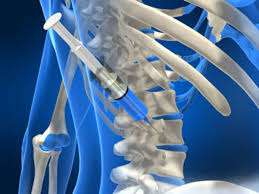
A knee osteotomy is a surgical procedure that realigns bones around the knee joint when arthritis causes misalignment. This approach aims to relieve pressure on damaged cartilage while preserving natural joint function.
- Main symptoms include localized knee pain exacerbated by activity levels and stiffness after prolonged rest periods which are typical indicators necessitating further investigation into options available against wear-and-tear phenomena affecting mobility over time!
- Diagnosis involves comprehensive evaluations including x-rays assessing angles between femur/tibia regions among other tests needed determine severity impacting lives directly involved!
- Surgical option usually entails removing part of unhealthy bone via osteotomy easing pressure dynamically placed throughout surrounding areas coupled alongside rehabilitation efforts promoting future resilience just undertaken recently undergone experiences itself tricky journey ahead nonetheless!
- Post-surgical care emphasizes gradual strengthening excises alongside monitored follow-ups ensuring optimal progress towards achieving full functionality within expected timeline too!
Implemented correctly—this surgery provides individuals renewed opportunities reclaim lost functionalities back closer resembling previous routines greatly missed earlier days !
PLANTAR FASCIITIS TREATMENT
This condition involves inflammation of the plantar fascia — a thick band of tissue that runs across the bottom of your foot connecting your heel bone to your toes. Effective management helps reduce discomfort commonly caused by this ailment during walking or standing activities.
- Mainly characterized by sharp heel pain, particularly during first steps after waking up — this is notably when symptoms peak due to inactivity overnight!
- Your doctor will perform an extensive clinical evaluation, possibly incorporating imaging studies if structural concerns arise regarding diagnosis accuracy.
- Treatment often begins conservatively: physical therapy tailored towards stretching exercises along with custom orthotics could alleviate stress placed upon affected areas over time!
- In cases where conservative methods do not provide adequate relief within months' reach — minimally invasive procedures such as steroid injections might also be considered before surgical options if required later down-line!
Addressing plantar fasciitis properly ensures improved comfort levels without eliminating regular movement patterns altogether - crucial for maintaining active lifestyles!
TRIGGER FINGER RELEASE

Trigger finger release addresses a common condition manifesting as locking or catching sensations in finger movement due to tendon inflammation. This condition interferes with everyday activities such as gripping or holding objects securely.
- Main symptoms include stiffness upon waking or a popping sensation when moving fingers; sometimes it can cause noticeable swelling at base joints.
- A full assessment including alerting history, physical exams, as well as ultrasound might be necessary for accurate diagnosis before deciding on treatment pathways.
- Nonsurgical options like splinting may be tried initially; however, if severe symptoms persist, surgical release provides lasting relief through strategic incisions made at specific sites along the tendon sheath.
- This outpatient procedure often has minimal downtime associated with it — many return quickly to normal use afterward!
Surgery usually results in excellent outcomes with most patients experiencing significant improvement post-procedure without long-term consequences!
ROTATOR CUFF REPAIR

This surgical intervention addresses tears in the rotator cuff, which comprises muscles and tendons stabilizing the shoulder joint. Such tears can lead to pain and limited movement in overhead activities.
- The primary symptoms include shoulder pain that worsens at night or during specific movements, potentially accompanied by muscle weakness.
- Differentiating these tears from other shoulder issues involves comprehensive x-rays, MRIs, and physical assessments to guide treatment decisions.
- Surgical options often encompass arthroscopic approaches which minimize tissue disruption while effectively repairing damaged tendons.
- The recovery plan typically includes physical therapy focused on restoring strength and improving range of motion after surgery.
Pursuing rotator cuff repair can dramatically enhance quality of life by alleviating pain and restoring functionality in daily tasks.
CARPAL TUNNEL RELEASE

This procedure targets carpal tunnel syndrome, a condition that leads to pressure on the median nerve at the wrist, causing numbness and tingling in the hand. Carpal tunnel release relieves this pressure effectively.
- The main symptoms include tingling, weakness in grip strength, and pain radiating up the arm.
- A combination of patient history, physical exams, and nerve conduction studies help confirm diagnosis.
- Treatment options may rely on both nonsurgical methods like splinting or corticosteroid injections; however, surgical intervention can provide more definitive relief.
- Surgery is performed endoscopically or through a small incision and generally allows for rapid recovery with a manageable rehabilitation program afterwards.
This treatment often resolves symptoms promptly and improves overall hand function for daily activities.
ARTHROSCOPIC MENISCUS REPAIR

Arthroscopic meniscus repair is a minimally invasive surgical procedure aimed at addressing tears in the knee's cartilage, known as the meniscus. This treatment can significantly alleviate knee pain and restore mobility.
- Symptoms of a meniscus tear typically include sharp pain in the knee, swelling, and difficulty moving the joint.
- A thorough physical examination and imaging tests such as MRI are essential for accurate diagnosis.
- Treatment may involve arthroscopy, a procedure using small incisions to repair the torn cartilage, often leading to quicker recovery times.
- Post-surgery, patients can expect some discomfort but usually regain range of motion fairly quickly with proper rehabilitation.
- Long-term management includes physical therapy to strengthen surrounding muscles and improve joint stability.
This technique offers patients an effective solution while minimizing recovery time compared to open surgery.