
Dr Alok TiwariM
About Me
Dr Alok TiwariM
MS
Orthopaedic Surgeons
10 Years Experience
Biography
My Clinic
OPD Hours
| Monday | Morning | 10:00 AM | - | 02:00 PM |
| Evening | 06:00 PM | - | 09:00 PM | |
| Tuesday | Morning | 10:00 AM | - | 02:00 PM |
| Evening | 06:00 PM | - | 09:00 PM | |
| Wednesday | Morning | 10:00 AM | - | 02:00 PM |
| Evening | 06:00 PM | - | 09:00 PM | |
| Thursday | Morning | 10:00 AM | - | 02:00 PM |
| Evening | 06:00 PM | - | 09:00 PM | |
| Friday | Morning | 10:00 AM | - | 02:00 PM |
| Evening | 06:00 PM | - | 09:00 PM | |
| Saturday | Morning | 10:00 AM | - | 02:00 PM |
| Evening | 06:00 PM | - | 09:00 PM | |
| Sunday | Morning | 10:00 AM | - | 02:00 PM |
| Evening | 06:00 PM | - | 09:00 PM |
Treatments
Specialised care and treatments offered
ACHILLES TENDON REPAIR (MINIMALLY INVASIVE)
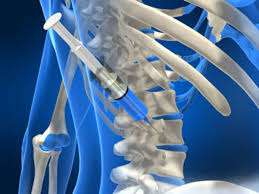
Achilles tendon repair is crucial for individuals experiencing ruptures or severe inflammation of this vital tendon. This procedure is essential not only for athletes but also for anyone seeking normal mobility after injury. The minimally invasive nature ensures lesser downtime compared to traditional open repair methods!
- Main signs indicating Achilles issues might be sudden sharp pain at back heel accompanied by swelling around lower leg area when moving ankle joints initially disturbed .
- Understanding diagnosis entails thorough clinical assessments alongside building detailed histories involving active lifestyles encouraging proper treatment pathways selection .
- Incorporating cutting-edge technology facilitates these repairs through very small incisions leading surgeons target problem quickly without needing extended interventions hence allowing quick recoveries typically achieved thereafter!
- Pathways towards returning sports-related activities get reestablished sooner assisting rebound efforts following successful repairs allowing continuous enjoyment activities loved!
Your daily life shouldn’t feel impacted due undue burdens stemming injuries whilst giving advanced choices post-recovery brings consistent matched lifestyle returns upbeat naturally again !
CARPAL TUNNEL RELEASE (ENDOSCOPIC)
The endoscopic carpal tunnel release is designed for those suffering from carpal tunnel syndrome—a condition characterized by pressure on the median nerve in the wrist. This minimally invasive surgery alleviates symptoms by creating space in the carpal tunnel without extensive trauma to surrounding tissues.
- Symptoms commonly encountered include numbness, tingling in fingers especially at night , along with weakness gripping objects .
- Diagnosing carpal tunnel syndrome usually involves patient history , physical evaluations including tapping tests along with nerve conduction studies .
- The endoscopic technique involves making small incisions at wrist site enabling surgeons tools assist in cutting restrictive ligament .
- Recovery periods are notably shorter than open surgeries usually allowing individuals engage daily tasks within days post-op .
This method showcases remarkable advancements ensuring effective outcomes while keeping invasiveness low throughout procedures !
BUNION CORRECTION SURGERY (MINIMALLY INVASIVE)

Bunion correction surgery aims to realign the big toe while relieving discomfort caused by bunions deformities. The minimally invasive technique offers a less traumatic option compared to conventional surgical approaches that often require longer recovery times.
- Main symptoms include noticeable bumps on the side of the foot, pain during walking or standing, and swelling around the affected area.
- A thorough evaluation involving X-ray studies helps determine severity before proceeding with surgical options.
- This procedure focuses on repositioning bones or removing excess tissue while causing minimal disruption to surrounding structures; it leads to quicker healing times post-operation.
- Patients usually experience significantly less postoperative pain than traditional methods and can resume daily activities sooner than expected.
This innovative approach fosters quicker rehabilitation journeys while effectively addressing bunion-related concerns!
PLATELET-RICH PLASMA (PRP) THERAPY

PRP therapy is gaining popularity as a regenerative treatment for various musculoskeletal injuries. This procedure uses components derived from your own blood to promote healing in damaged tissues such as tendons and ligaments.
- Common indications for PRP therapy encompass chronic tendon injuries, osteoarthritis, and ligament sprains.
- A comprehensive evaluation through clinical assessment and imaging techniques is vital for determining candidacy for this treatment.
- The management includes drawing blood, processing it in a centrifuge to concentrate platelets, which are then injected into the injured area to accelerate healing.
- Pain reduction and functionality improvements are frequently reported by patients post-treatment, enabling them to return to their usual activities faster than with traditional methods.
This innovative approach harnesses your body's natural healing capabilities while minimizing risks associated with surgery.
JOINT INJECTIONS

Joint injections are an effective treatment option for patients suffering from conditions like osteoarthritis. They involve the injection of corticosteroids or hyaluronic acid directly into the affected joint to reduce inflammation and relieve pain.
- The main symptoms prompting this treatment include chronic joint stiffness, pain during movement, and tenderness around the joint area.
- Disease diagnosis typically incorporates X-ray imaging, physical exams, and fluid analysis from the joint space.
- Treatment may include multiple injections over time, providing temporary relief that can last for several months.
- Patients can look forward to reduced activity limitations and improved movement after undergoing this procedure.
This non-surgical intervention allows many individuals to manage their symptoms effectively without resorting to more invasive methods.
ARTHROSCOPY

Arthroscopy is a minimally invasive surgical procedure used to diagnose and treat joint problems. This technique involves making small incisions and inserting a tiny camera called an arthroscope into the joint, allowing for a clear view of the interior without large cuts.
- Symptoms that may indicate the need for arthroscopy include persistent joint pain, swelling, and limited motion.
- The diagnosis often includes physical examinations, imaging tests such as MRI or X-rays, along with patient history.
- Treatment options may involve removing damaged tissue, repairing torn cartilage, or reconstructing ligaments using small instruments.
- Post-surgery, patients can expect a quicker recovery time compared to traditional open surgery, often returning to normal activities within weeks.
This approach not only reduces scarring but also helps minimize complications and speeds up rehabilitation.