
Dr Alok Jain
About Me
Dr Alok Jain
MBBS
Internal Medicine
10 Years Experience
Biography
My Clinic
OPD Hours
| Monday | Morning | 10:00 AM | - | 02:00 PM |
| Evening | 06:00 PM | - | 09:00 PM | |
| Tuesday | Morning | 10:00 AM | - | 02:00 PM |
| Evening | 06:00 PM | - | 09:00 PM | |
| Wednesday | Morning | 10:00 AM | - | 02:00 PM |
| Evening | 06:00 PM | - | 09:00 PM | |
| Thursday | Morning | 10:00 AM | - | 02:00 PM |
| Evening | 06:00 PM | - | 09:00 PM | |
| Friday | Morning | 10:00 AM | - | 02:00 PM |
| Evening | 06:00 PM | - | 09:00 PM | |
| Saturday | Morning | 10:00 AM | - | 02:00 PM |
| Evening | 06:00 PM | - | 09:00 PM | |
| Sunday | Morning | 10:00 AM | - | 02:00 PM |
| Evening | 06:00 PM | - | 09:00 PM |
Treatments
Specialised care and treatments offered
GASTROESOPHAGEAL REFLUX DISEASE (GERD) MANAGEMENT
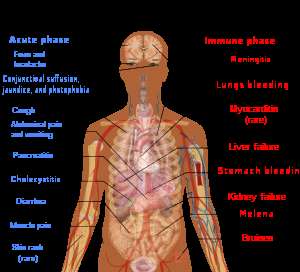
This digestive disorder occurs when stomach acid frequently flows back into the esophagus causing irritation. Effective interventions minimize discomfort and prevent complications like esophagitis.
- Common triggers & symptoms: Heartburn especially after meals or lying down; regurgitation sensation often linked with dietary habits
- Diagnostic procedures: Clinical evaluation supported by endoscopy when persistent to observe mucosal inflammation
- Treatment choices: Lifestyle alterations such as weight reduction; medications including antacids & proton pump inhibitors provide relief
- Patient guidance: Avoiding late meals & smoking cessation aid symptom control alongside medical therapy
Ongoing management tailored per individual reduces acid reflux episodes enhancing esophageal health long term.
ANEMIA EVALUATION AND TREATMENT
Anemia signifies reduced red blood cell count or hemoglobin leading to diminished oxygen delivery throughout the body. It can stem from various causes necessitating comprehensive evaluation for effective management.
- Spectrum of causes & signs: Fatigue, pallor, dizziness; nutritional deficiencies (iron,B12), chronic illness or bone marrow disorders may be responsible
- ID methods include:Anemia panel testing including CBC (complete blood count), iron studies helps identify type
- Treatment approaches: Supplementation (iron/vitamins), addressing underlying cause such as infection or bleeding
- Outcome expectations: With proper care symptoms improve gradually along with restoration of normal blood counts
Accurate diagnosis followed by targeted therapy ensures reversal of anemia’s effects promoting overall wellbeing.
CHRONIC OBSTRUCTIVE PULMONARY DISEASE (COPD) MANAGEMENT
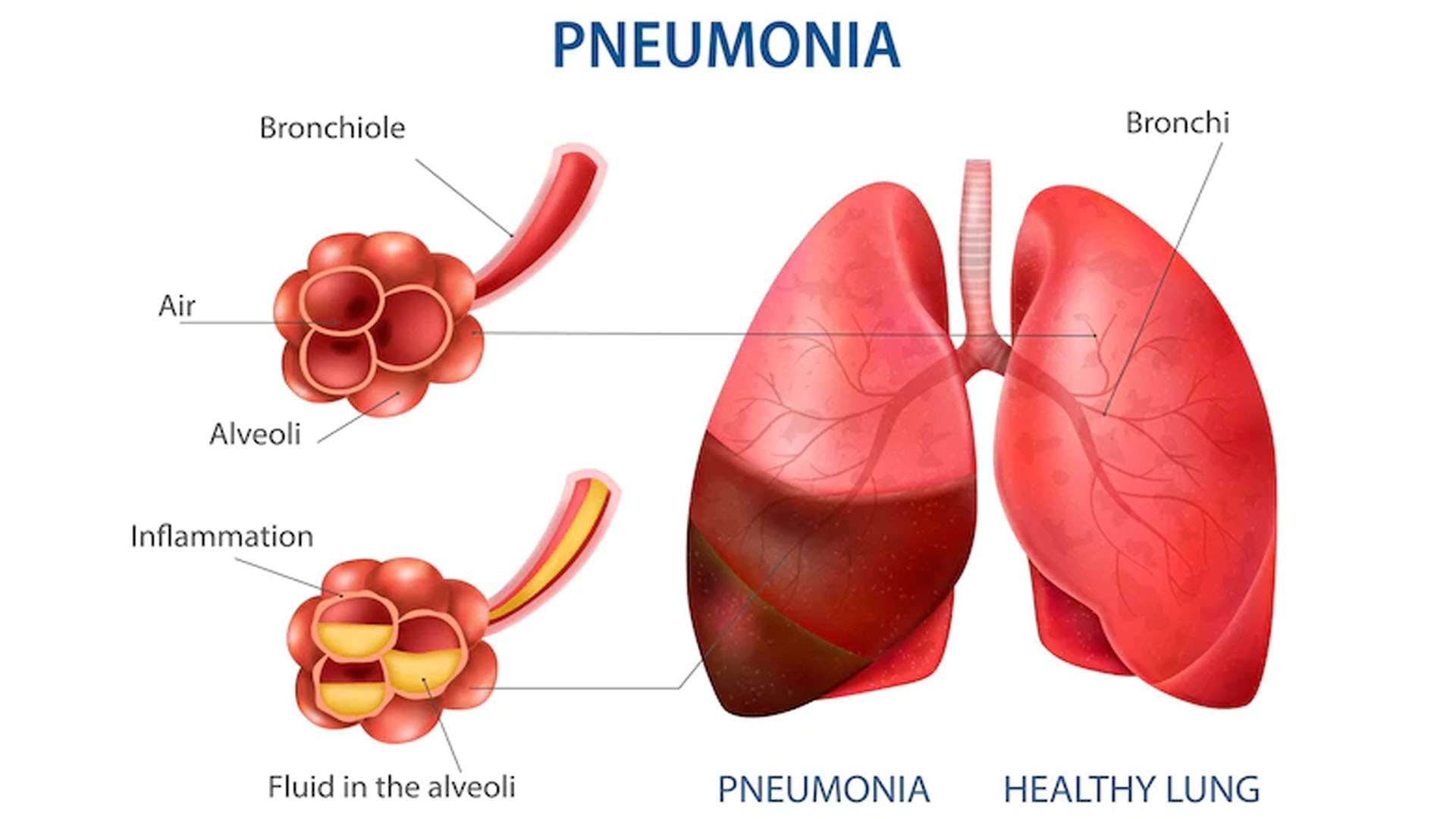
COPD encompasses lung diseases characterized by airflow limitation typically linked to smoking or prolonged environmental exposure. It demands ongoing medical attention to improve respiratory function.
- Main causes & symptoms: Persistent cough with sputum production, shortness of breath worsens progressively due to airway damage from irritants like tobacco smoke.
- Evidential diagnosis: Pulmonary function tests measure lung capacity; chest X-rays assist assessment of lung structure changes.
- Therapy focus: Bronchodilators, steroids inhalers combined with smoking cessation programs are cornerstone treatments improving breathing capacity.
- Lifestyle adjustments include: Pulmonary rehabilitation exercises enhance endurance and reduce exacerbation frequency.
A well-structured COPD management plan slows deterioration and enhances daily living comfort for affected individuals.
THYROID FUNCTION DISORDERS
The thyroid gland regulates metabolism through hormone production. Disorders can result in hypothyroidism or hyperthyroidism with diverse systemic effects requiring timely care.
- Causative factors & symptoms: Fatigue, weight changes, palpitations or cold intolerance may indicate dysfunction caused by autoimmune diseases or iodine imbalance.
- Diagnosis involves: Blood assays measuring TSH, T3 and T4 hormone levels alongside imaging if needed.
- Treatment modalities: Hormone replacement for underactive thyroid or antithyroid drugs for overactivity help restore balance.
- Mild cases monitoring: In subclinical conditions frequent observation is advised before medication initiation.
Treating thyroid disorders promptly helps reestablish normal metabolic function and alleviates related symptoms effectively.
TYPE 2 DIABETES MELLITUS CARE
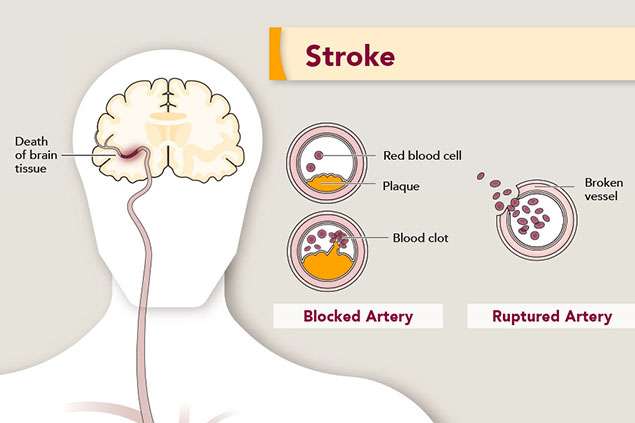
This chronic metabolic disorder affects how the body uses glucose, leading to elevated blood sugar levels. Proper management prevents serious complications like neuropathy and cardiovascular disease.
- Symptoms & causes: Increased thirst, frequent urination, obesity, sedentary lifestyle, and family history contribute significantly.
- Diagnostic tools: Blood tests including fasting glucose and HbA1c levels confirm diagnosis.
- Treatment strategies: Dietary regulation, physical activity enhancement, oral hypoglycemic agents or insulin therapy where necessary.
- Lifestyle impact: Weight loss and smoking cessation play important roles in disease control.
A tailored approach integrating medical treatment with lifestyle changes ensures optimum control and quality of life for diabetic patients.
HYPERTENSION MANAGEMENT
High blood pressure, or hypertension, is a common condition impacting the arteries and heart over time. Managing it effectively reduces risks of stroke, heart attack, and kidney problems.
- Causes and symptoms: Often asymptomatic but can be linked to obesity, stress, excessive salt intake, or genetics.
- Diagnosis: Regular blood pressure monitoring using a sphygmomanometer at different times is essential to confirm persistent elevation.
- Treatment options: Lifestyle modifications such as diet and exercise combined with medications like ACE inhibitors or beta-blockers are standard approaches.
- Monitoring: Continuous follow-up to adjust therapy helps maintain optimal blood pressure levels.
- Outlook: With proper control, patients usually lead healthy lives without complications.
Early identification and consistent treatment are crucial to prevent the long-term effects of hypertension on overall health.