
Dr Aleem Siddiqui
About Me
Dr Aleem Siddiqui
MBBS
General Physician
10 Years Experience
Biography
My Clinic
OPD Hours
| Monday | Morning | 10:00 AM | - | 02:00 PM |
| Evening | 06:00 PM | - | 09:00 PM | |
| Tuesday | Morning | 10:00 AM | - | 02:00 PM |
| Evening | 06:00 PM | - | 09:00 PM | |
| Wednesday | Morning | 10:00 AM | - | 02:00 PM |
| Evening | 06:00 PM | - | 09:00 PM | |
| Thursday | Morning | 10:00 AM | - | 02:00 PM |
| Evening | 06:00 PM | - | 09:00 PM | |
| Friday | Morning | 10:00 AM | - | 02:00 PM |
| Evening | 06:00 PM | - | 09:00 PM | |
| Saturday | Morning | 10:00 AM | - | 02:00 PM |
| Evening | 06:00 PM | - | 09:00 PM | |
| Sunday | Morning | 10:00 AM | - | 02:00 PM |
| Evening | 06:00 PM | - | 09:00 PM |
Treatments
Specialised care and treatments offered
URINARY TRACT INFECTION (UTI)
A urinary tract infection involves bacteria invading parts of the urinary system including bladder or kidneys. Prompt recognition reduces discomfort and avoids spread of infection into more serious conditions like pyelonephritis or sepsis.
- What Causes UTIs & What Symptoms Look Like: Common signs include painful urination (dysuria), frequent urge to urinate often passing small amounts just below belly pain
- Diagnostic Tests Used: Urinalysis identifying bacteria presence alongside symptoms guides diagnosis; urine culture confirms causative agent
- Treatment Modalities Available: Short courses of appropriate antibiotics relieve symptoms rapidly while hydration aids flushing out germs
- Potential Prevention Measures: Good hygiene practices plus voiding after sexual intercourse help minimize infection risk
Early intervention generally ensures full recovery without complication though recurrent infections require further examination.
GASTROENTERITIS

This common digestive tract infection causes diarrhea and vomiting. It usually resolves spontaneously but understanding its course helps reduce complications like dehydration especially in sensitive groups including children and elderly persons.
- Causes & Symptoms: Viral infections being predominant cause presenting with watery diarrhea associated with stomach cramps/fatigue/nausea
- Diagnosis: Mostly clinical based on symptom pattern while stool tests are reserved for severe cases;
- Treatment & Management: Oral rehydration salts (ORS) remain cornerstone remedy along with dietary modifications avoiding irritants
- When To Seek Further Help: Signs like high fever visible dehydration or bloody stools warrant immediate medical attention
Maintaining adequate hydration significantly speeds recovery while preventing serious outcomes linked to this intestinal inflammation.
COMMUNITY-ACQUIRED PNEUMONIA

Pneumonia acquired outside hospital settings affects the lungs' air sacs causing inflammation and fluid buildup. Early identification aids effective treatment and reduces complications risk.
- Causative Factors and Symptoms:Cough producing sputum with fever, chills, difficulty breathing, chest pain worsened by breaths;
- The Diagnostic Approach: X-rays typically confirm localized lung involvement along with clinical findings;
- Treatment Options: Antibacterial medications tailored based on suspected organism plus supportive care including oxygen therapy if needed;
- Managing Expectations: Improvement should be seen within few days though fatigue may persist longer;
Timely vaccination for influenza and pneumococcus helps lower risk particularly among vulnerable populations.
DIABETIC KETOACIDOSIS
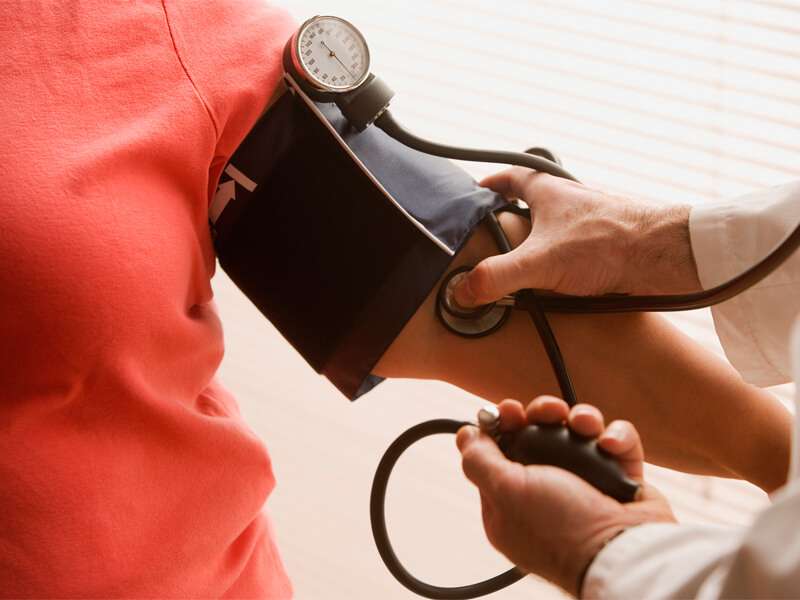
This serious complication arises primarily in diabetics when low insulin levels lead to high blood sugar and acid buildup in the blood. It needs emergency attention due to its rapid progression risk.
- Main Causes and Symptoms: Infection or missed insulin doses cause excessive thirst, frequent urination, nausea/vomiting, abdominal pain, fruity-smelling breath and deep breathing patterns.
- Diagnosing DKA: Blood tests revealing elevated blood glucose levels and ketones in urine or blood confirm diagnosis alongside acid-base balance measures.
- Treatment Protocols: Fluid replacement with intravenous saline fluids; insulin therapy to reduce glucose levels; correction of electrolytes abnormalities like potassium imbalance;
- The Management Process: Continuous monitoring under medical supervision until metabolic stabilization is achieved;
- Please Note:DKA can be life-threatening but prompt hospital treatment leads to good outcomes for most patients.
Adequate diabetes control outside emergencies prevents these episodes from occurring frequently.
HYPERTENSIVE CRISIS
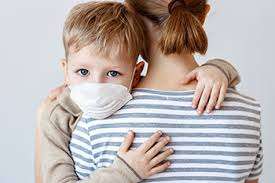
A hypertensive crisis is a severe increase in blood pressure that can rapidly lead to organ damage if untreated. This urgent condition demands prompt recognition and management.
- Causes and Symptoms: Extremely elevated blood pressure often above 180/120 mmHg; symptoms include severe headache, chest pain, visual changes, confusion, or shortness of breath.
- Diagnosis: Blood pressure measurement along with assessments for damage to heart, brain, kidneys, and eyes.
- Treatment Approaches: Immediate administration of intravenous antihypertensives in critical settings followed by oral medications once stabilized.
- Management: Close monitoring in hospital environment until pressures are controlled safely without abrupt drops.
- What Patients Should Know: Hypertensive crisis requires urgent care; delaying treatment risks stroke or heart attack.
Lifestyle modifications and regular follow-up are essential after recovery to prevent recurrence of such crises.
ACUTE BRONCHITIS

Acute bronchitis is an inflammation of the bronchial tubes, which carry air to your lungs. It often develops after a cold or respiratory infection and causes a cough that can produce mucus.
- Symptoms and Causes: Persistent cough, wheezing, chest discomfort, shortness of breath, usually triggered by viral infections.
- Diagnosis: Primarily clinical evaluation with history of recent upper respiratory illness; sometimes a chest X-ray is done to rule out pneumonia.
- Treatment Options: Rest, hydration, use of cough suppressants or expectorants; antibiotics are generally not recommended unless bacterial infection is suspected.
- Management: Avoid smoking and irritants; inhalers may be prescribed if wheezing occurs.
- What to Expect: Symptoms typically improve within 1-3 weeks but the cough may linger longer in some cases.
If symptoms worsen or last beyond typical duration, further medical evaluation may be necessary to exclude complications.