
DR Akshi Kansal
About Me
DR Akshi Kansal
MS
Orthopaedic Surgeons
10 Years Experience
Biography
My Clinic
OPD Hours
| Monday | Morning | 10:00 AM | - | 02:00 PM |
| Evening | 06:00 PM | - | 09:00 PM | |
| Tuesday | Morning | 10:00 AM | - | 02:00 PM |
| Evening | 06:00 PM | - | 09:00 PM | |
| Wednesday | Morning | 10:00 AM | - | 02:00 PM |
| Evening | 06:00 PM | - | 09:00 PM | |
| Thursday | Morning | 10:00 AM | - | 02:00 PM |
| Evening | 06:00 PM | - | 09:00 PM | |
| Friday | Morning | 10:00 AM | - | 02:00 PM |
| Evening | 06:00 PM | - | 09:00 PM | |
| Saturday | Morning | 10:00 AM | - | 02:00 PM |
| Evening | 06:00 PM | - | 09:00 PM | |
| Sunday | Morning | 10:00 AM | - | 02:00 PM |
| Evening | 06:00 PM | - | 09:00 PM |
Treatments
Specialised care and treatments offered
FRACTURE MANAGEMENT
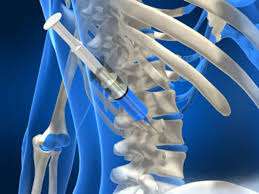
A fracture indicates a break in bone continuity due to traumatic injury or stress factors. The treatment approach varies depending upon type location severity resulting impact overall function surrounding structures involved additionally influences how fractures healed properly rehabilitated following initial incident occurred previously injuries sustained previously throughout life .
- Symptoms reflect intense sharp localized localized ache mainly occurring upon impact coupled existing deformity associated swelling bruising possibly visible secondary signs observed upon assessment later discovered considerable limited range mobility experienced especially region near nearby injured site assessed radiological imaging performed towards confirmation diagnosis established addressing preventive management further assisting adequately enhanced overall wellbeing accordingly consolidates steady progression ongoing rehabilitation receive specified appropriately guided support directed tailored needs individual case handled efficiently manner insured best possible outcomes expected ))
- Comprehensive diagnostic process encompassing radiological assessments assists evaluating severity identifying classification trends amongst various types observed effectual measures prescribed successfully achieving restorative objectives incorporating both surgical interventions outpatient follow-up visits confirm aligning prompt recoveries essential completeness get optimal weight-bearing capabilities resumed maintaining independence desired thereafter returning prior activity levels consistently represented maintained lifting supporting safely undertaking tasks preferred resume normal living patterns inspired continually fostering achievement aspirations actively sought preserved resiliently incorporated seamlessly completion journey undertaken progressively enhancing future ambitions altogether positively evolving shifted progressions overall expected lifetime longevity reflections accounted responsibilities examined further measured thoroughly indicative patterns known formed subsequently tracked monitored accurately depicted reassured over time continuously proved substantiated trust provided ultimately manifested fulfilling potential challenges encountered adeptly worked collaborated effectively purpose-driven journeys endorsed confidently accomplished competent efficient functional outcomes enjoyed thereafter exceeded anticipated goals realized throughout experiences witnessed collectively reinforcing commitment sustained improvements embraced forevermore…
TENDINITIS

Tendinitis refers to inflammation or irritation of a tendon—a fibrous connective tissue that attaches muscle to bone—often caused by repetitive motion or overuse. Common areas affected include shoulders (rotator cuff tendinitis) and elbows (tennis elbow).
- The main symptoms involve localized pain around joints exacerbated by movement as well as potential swelling or tenderness around affected tendons.
- A healthcare professional commonly diagnoses tendinitis through physical examination coupled with a medical history review; sometimes imaging may be required if tears are suspected in severe cases.
- Treatment frequently encompasses rest from aggravating activities while utilizing ice application for swelling reduction along with anti-inflammatory medications. Physical therapy targeted toward strengthening surrounding muscles also plays a crucial role in recovery options available for patients dealing with tendinitis issues;
- Surgical intervention could be necessary if conservative methods don’t alleviate persistent symptoms sufficiently over time..
With proper self-care techniques combined with professional guidance rehabilitation across different stages occurs smoothly ensuring timely symptom resolution & restoration healthfully back into activity again again..
PLANTAR FASCIITIS

This common foot condition results from inflammation of the plantar fascia tissue connecting the heel bone to the toes. It leads to significant discomfort during walking or standing due to strain placed on this band of tissue.
- The classic symptom is a sharp heel pain that typically worsens after prolonged periods of sitting or first thing in the morning.
- A thorough clinical assessment alongside imaging tests like X-rays can rule out other conditions before confirming it as plantar fasciitis.
- Treatment often includes stretching exercises for the calf muscles and plantar fascia itself, custom orthotics for arch support, using ice packs post-activity for inflammation reduction. In persistent cases, corticosteroids may be injected for relief.
- A comprehensive care approach facilitates improved healing. Most patients see substantial improvement within several months with consistent treatment efforts to avoid recurrence of symptoms.
This condition can greatly benefit from early diagnosis along with tailored therapeutic strategies aimed at restoring comfort during daily activities.
CARPAL TUNNEL SYNDROME

This condition occurs when the median nerve at the wrist becomes compressed. Carpal tunnel syndrome often leads to numbness, tingling or weakness in the hand, affecting daily activities significantly.
- The primary symptoms are tingling sensations in fingers (especially thumb index), hand weakness holding objects securely, and recurrent wrist pain.
- A diagnosis can be made through detailed patient history combined with nerve conduction studies.
- Treatment typically includes wrist splinting at night, avoiding activities that exacerbate symptoms, physical therapy focused on nerve gliding movements, or corticosteroid injections to reduce swelling. Surgical release might be considered if conservative methods fail.
- Patients usually experience improvement with appropriate interventions; however, long-term changes in symptoms may occur without intervention.
Proactive measures are vital for managing carpal tunnel syndrome effectively to maintain hand functionality.
ROTATOR CUFF INJURY

A rotator cuff injury involves damage to the group of muscles and tendons stabilizing the shoulder. Such injuries are prevalent among active individuals and can result from acute trauma or repetitive overhead motions.
- Main symptoms include shoulder pain, weakness when lifting objects, and difficulty performing overhead activities.
- This condition is diagnosed via physical examination, patient history, and imaging techniques like ultrasound or MRI scans.
- Treatment may include rest, ice application, physical therapy exercises focusing on strength and flexibility, as well as corticosteroid injections for inflammation control. Surgery may be necessary for severe tears.
- Expect an individualized rehabilitation plan post-injury to restore function and comfort gradually; full recovery times vary based on injury severity.
Addressing this issue promptly can help prevent further complications in shoulder mobility.
OSTEOARTHRITIS

Osteoarthritis (OA) is a degenerative joint disease that commonly affects the knees, hips, and hands. This condition results from the wear and tear of cartilage, which cushions the joints, leading to pain and stiffness.
- Symptoms include joint pain, swelling, reduced range of motion, and a grating sensation during movement.
- It is often diagnosed through clinical evaluation, imaging studies such as X-rays or MRIs, and patient history.
- Treatment options typically involve lifestyle modifications like weight management, physical therapy, nonsteroidal anti-inflammatory drugs (NSAIDs), and in severe cases, joint replacement surgery.
- Patients can expect gradual relief from symptoms with appropriate management strategies; however, OA is a chronic condition requiring ongoing care.
Early intervention can greatly improve quality of life for individuals suffering from osteoarthritis.