
Dr Akil Contractor
About Me
Dr Akil Contractor
Dermatologist
Biography
My Clinic
OPD Hours
| Tuesday | Morning | 10:00 AM | - | 02:00 PM |
| Evening | 06:00 PM | - | 09:00 PM | |
| Wednesday | Morning | 10:00 AM | - | 02:00 PM |
| Evening | 06:00 PM | - | 09:00 PM | |
| Thursday | Morning | 10:00 AM | - | 02:00 PM |
| Evening | 06:00 PM | - | 09:00 PM | |
| Friday | Morning | 10:00 AM | - | 02:00 PM |
| Evening | 06:00 PM | - | 09:00 PM | |
| Saturday | Morning | 10:00 AM | - | 02:00 PM |
| Evening | 06:00 PM | - | 09:00 PM | |
| Sunday | Morning | 10:00 AM | - | 02:00 PM |
| Evening | 06:00 PM | - | 09:00 PM | |
| Thursday | Morning | 10:00 AM | - | 02:00 PM |
| Evening | 06:00 PM | - | 09:00 PM |
Treatments
Specialised care and treatments offered
ROSACEA
This chronic inflammatory condition primarily affects the facial region causing redness and visible blood vessels over time. Rosacea can greatly impact self-esteem due to its noticeable effects on appearance
- Symptoms: An increased tendency towards flushing plus small red bumps resembling acne often signify this disorder
- Causes: The exact cause remains unknown but possible contributors include genetic disposition along with lifestyle factors such as exercise triggers different types
- Diagnosis: Typically diagnosed based on clinical history supplemented through physical evaluation methods focused on facial patterns observed
CONTACT DERMATITIS
This condition occurs when the skin reacts negatively after coming into contact with an irritant or allergen. Contact dermatitis often results in discomfort and significant distress due to its visible nature on exposed areas of the body.
- Symptoms: Typically includes redness, swelling, itchiness and sometimes blistering upon initial exposure
- Causes: Can arise from chemical substances like soaps or metals such as nickel
- Diagnosis: Based mainly on visual assessment; patch testing might be necessary to pinpoint specific allergens
- Treatment options: Avoidance of identified irritants paired with topical steroids are common approaches
If you suspect an environmental trigger for your rash-like symptoms consulting with a dermatologist will ensure effective management tailored just for you.
SKIN CANCER SCREENING
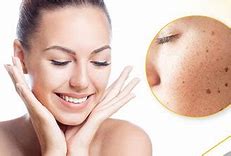
A comprehensive skin cancer screening is essential in identifying early signs of skin cancers such as basal cell carcinoma or melanoma. Early detection increases the chances of successful treatment significantly.
- Screens for symptoms: Unusual moles or growths that change in size or color should raise concern during examinations.
- Cancer causes: Exposure to UV radiation from sunlight or tanning beds elevates risks among other environmental factors.
- Differential diagnosis: Often performed visually by trained professionals; dermatologists may use dermatoscopes for clearer examination of moles & pigmented lesions
- Treatment options: Excision of malignant lesions is typically performed along with possible chemotherapy in advanced cases
Regular evaluations are recommended especially if there’s personal history of skin cancer or if risk factors are present.
ECZEMA
Eczema, or atopic dermatitis, is a chronic inflammatory condition that leads to itchy and inflamed skin. It commonly begins in childhood but can persist into adulthood in various forms.
- Symptoms: Redness and itching which can become worse after scratching leading to further irritation.
- Causes: Genetic predisposition combined with environmental factors often play a role in this condition's development.
- Diagnosis: Typically made by examining the skin's appearance; additional tests may rule out other conditions if necessary.
- Treatment options: Emollients are vital for hydration while topical corticosteroids help manage flare-ups. In more severe cases, systemic medications could be required.
If eczema impacts your daily life significantly, discussing treatment strategies with a specialist can lead to improved management outcomes.
PSORIASIS
This chronic autoimmune condition manifests as red, scaly patches on the skin and can significantly affect quality of life. Psoriasis is known to have periods of flare-ups followed by remission.
- Symptoms: Characterized by dry patches covered with silvery scales that can itch or burn.
- Causes: Factors include genetics, immune system problems, stress, and environmental triggers.
- Diagnosis: Identified through visual inspection by a healthcare provider; biopsies may be taken to confirm severity.
- Treatment options: May involve topical therapies for mild cases or systemic treatments for severe forms. Light therapy might also be considered for some patients.
A thorough management strategy from a qualified dermatologist can provide relief from symptoms and improve skin appearance over time.
ACNE VULGARIS
Acne vulgaris is a common skin condition that affects many individuals, particularly adolescents. It occurs when hair follicles become clogged with oil and dead skin cells, leading to inflammation and infection.
- Symptoms: Includes pimples, blackheads, whiteheads, and cysts primarily on the face, back, and shoulders.
- Causes: Involves hormonal changes, excess oil production, certain medications, and bacteria.
- Diagnosis: Usually determined through a physical examination; however, severe cases may require lab tests.
- Treatment options: Topical treatments like retinoids and benzoyl peroxide; oral medications such as antibiotics or hormonal therapies may be prescribed for more severe cases.
- Management: Regular cleansing of the affected area; lifestyle changes including a healthy diet can also help reduce outbreaks.
If you experience persistent acne issues, consider consulting a dermatologist for tailored advice and treatment plans.