
Dr Akhilesh Singh
About Me
Dr Akhilesh Singh
DM
Cardiologist
10 Years Experience
Biography
My Clinic
OPD Hours
| Monday | Morning | 10:00 AM | - | 02:00 PM |
| Evening | 06:00 PM | - | 09:00 PM | |
| Tuesday | Morning | 10:00 AM | - | 02:00 PM |
| Evening | 06:00 PM | - | 09:00 PM | |
| Wednesday | Morning | 10:00 AM | - | 02:00 PM |
| Evening | 06:00 PM | - | 09:00 PM | |
| Thursday | Morning | 10:00 AM | - | 02:00 PM |
| Evening | 06:00 PM | - | 09:00 PM | |
| Friday | Morning | 10:00 AM | - | 02:00 PM |
| Evening | 06:00 PM | - | 09:00 PM | |
| Saturday | Morning | 10:00 AM | - | 02:00 PM |
| Evening | 06:00 PM | - | 09:00 PM | |
| Sunday | Morning | 10:00 AM | - | 02:00 PM |
| Evening | 06:00 PM | - | 09:00 PM |
Treatments
Specialised care and treatments offered
CONGENITAL HEART DEFECTS

This refers to structural abnormalities in the heart present from birth. These defects can vary widely in severity—from minor issues requiring no intervention up to complex malformations demanding immediate surgical correction upon diagnosis shortly after delivery!
The array covers conditions such as atrial septal defects allowing shunting between chambers while impacting oxygenation levels necessitating vigilant follow-up care systems established early on pivotal throughout childhood stages ensuring milestones tracking consistently monitored accordingly thereafter! The diagnosis method largely relies upon echocardiographical assessments yielding insight into functional implications along detection methods validating healthcare efficacy maintaining progress tracked continuously through routine check-ups established foundationally geared towards fostering healthy growth trajectories noted importantly here too!Therapeutic avenues span across interventional catheterizations percutaneous means helping minimize invasive requirements compared previously been highlighted under traditional approaches further illustrating advances realized thus far undoubtedly progressing continually enhancing efficacy now evident supporting better living standards observed across younger populations suffering these burdens initially presented endemic historically established!Pediatric cardiologists play critical roles steering developmental recovery phases confidently reassuring families involved comprehensively addressing all concerns faced constantly day-by-day successfully navigating their journeys forward together onward inspired hearts thriving assuredly!
VALVULAR HEART DISEASE
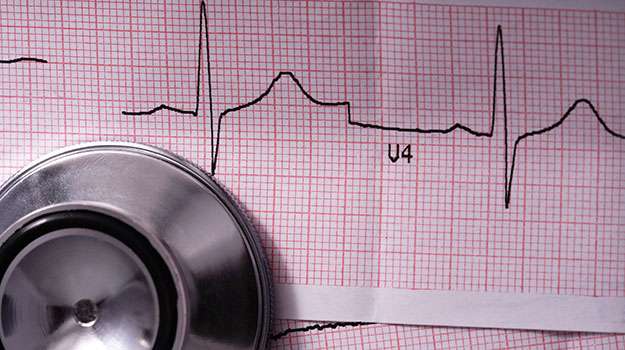
This encompasses any dysfunction involving one or more of the four valves within your heart. Affected valves either do not open fully (stenosis) or close completely (regurgitation), leading to compromised circulatory efficiency over time if untreated.
The presentation varies widely from asymptomatic cases discovered incidentally on imaging studies through symptomatic instances showcasing fatigue upon exertion among others!This condition's etiology includes rheumatic fever from untreated strep throat infections along with degenerative changes noted with aging processes affecting valve structures most commonly seen at older ages! Diagnostic methods employ echocardiography primarily; echoed sounds illuminate behavior patterns regarding structure movements aiding doctors’ clinical judgment towards guiding intervention strategies closely monitored thoroughly! Management pathways encompass both pharmacologic means targeting symptom relief alongside surgical corrections whenever feasible for optimal outcomes ensuring revitalizing bodily functions maintained across varying patient demographics presently observed globally aligning toward healthier lifestyles ultimately providing peace-of-mind necessary indeed!Your health remains our priority!HEART FAILURE
This complex clinical syndrome arises when the heart cannot pump sufficient blood to meet the body's needs. Heart failure can develop due to various underlying conditions that compromise cardiac output over time.
- Symptoms: Individuals often experience fatigue, swelling in legs/ankles due to fluid retention (edema), and shortness of breath even during mild exertion.
- Causes: Contributing factors include previous heart attack history (myocardial infarction), hypertension that has gone unmanaged over years or structural defects in heart valves affecting flow dynamics.
A proactive healthcare approach can stabilize living conditions significantly for patients facing heart failure challenges today!
ATRIAL FIBRILLATION
Atrial fibrillation (AFib) is a type of irregular heartbeat that can increase the risk of stroke if not treated. It happens when the electrical signals in the heart become chaotic, leading to an inefficient pumping action of blood throughout the body.
- Symptoms: Patients may notice palpitations, dizziness, weakness, chest discomfort, or fatigue during everyday activities.
- Causes: Conditions like hypertension and coronary artery disease increase susceptibility; other triggers include excessive alcohol consumption and stress.
- Diagnosis: Doctors use electrocardiograms (ECGs) to detect AFib by measuring electrical activity in the heart.
- Treatment: The approach includes anticoagulants to prevent clot formation coupled with rate control using beta-blockers; some patients might require catheter ablation procedures for long-term resolution.
Efficacious treatment helps manage symptoms effectively while minimizing potential complications associated with AFib over time.
CORONARY ARTERY DISEASE
This condition occurs when the coronary arteries become narrowed or blocked by plaque buildup. Over time, this can restrict blood flow to the heart muscle itself and lead to serious complications such as angina or even heart attacks.
- Symptoms: Common indicators include chest pain or discomfort, fatigue, shortness of breath during physical activity, and sometimes nausea.
- Causes: Major risk factors include high cholesterol levels, smoking, diabetes, and a sedentary lifestyle.
- Diagnosis: Tests such as stress tests or angiograms help to evaluate blood flow and identify blockages within the arteries.
- Treatment: Options range from lifestyle modifications to medications (e.g., statins) and possible surgical interventions like angioplasty or bypass surgery.
- What to Expect: Ongoing monitoring and adherence to treatment plans are crucial for long-term health outcomes.
Catching coronary artery disease early allows for effective management to preserve heart function and overall well-being.
HYPERTENSION
Hypertension, or high blood pressure, is a common condition that can lead to serious health issues if not managed properly. It is often considered a silent killer because it frequently presents with no symptoms, yet can cause significant damage over time.
- Symptoms: Many individuals experience no obvious signs, but some may have headaches, shortness of breath, or nosebleeds.
- Causes: Factors include age, obesity, lack of physical activity, and a family history of hypertension.
- Diagnosis: Blood pressure readings are taken using a sphygmomanometer; readings higher than 130/80 mmHg generally indicate hypertension.
- Treatment: Management may involve lifestyle changes such as diet and exercise, along with medications like diuretics or ACE inhibitors.
- What to Expect: Regular monitoring is essential to manage this condition effectively and reduce the risk of complications like heart disease.
With appropriate management strategies in place, individuals can lead healthy lives while keeping hypertension under control.