
Dr Akhilesh Sharm
About Me
Dr Akhilesh Sharm
MBBS
General Physician
10 Years Experience
Biography
My Clinic
OPD Hours
| Monday | Morning | 10:00 AM | - | 02:00 PM |
| Evening | 06:00 PM | - | 09:00 PM | |
| Tuesday | Morning | 10:00 AM | - | 02:00 PM |
| Evening | 06:00 PM | - | 09:00 PM | |
| Wednesday | Morning | 10:00 AM | - | 02:00 PM |
| Evening | 06:00 PM | - | 09:00 PM | |
| Thursday | Morning | 10:00 AM | - | 02:00 PM |
| Evening | 06:00 PM | - | 09:00 PM | |
| Friday | Morning | 10:00 AM | - | 02:00 PM |
| Evening | 06:00 PM | - | 09:00 PM | |
| Saturday | Morning | 10:00 AM | - | 02:00 PM |
| Evening | 06:00 PM | - | 09:00 PM | |
| Sunday | Morning | 10:00 AM | - | 02:00 PM |
| Evening | 06:00 PM | - | 09:00 PM |
Treatments
Specialised care and treatments offered
OBESITY COUNSELING AND MANAGEMENT
The prevalence of obesity has increased worldwide due to lifestyle changes. Addressing this condition involves multifaceted treatment strategies focused on sustainable weight loss goals for better overall health outcomes.Assessment consists of calculating body mass index (BMI) alongside waist circumference measurements to evaluate cardiovascular risk.
- Primary intervention prioritizes dietary modification emphasizing whole foods low in processed sugars/fats.
- Structured exercise routines tailored individually help increase energy expenditure.
- Behavioral therapy supports adherence while addressing psychological aspects related to eating habits.
- Medications or bariatric surgery might be considered when conservative approaches fail under medical supervision.
CHRONIC OBSTRUCTIVE PULMONARY DISEASE (COPD) MONITORING

COPD is a progressive lung disease causing airflow obstruction that makes breathing difficult. Monitoring helps manage symptoms and slow progression over time.">">">">Symptoms include chronic cough with sputum production and shortness of breath worsening gradually.
ROUTINE HEALTH CHECKUP
A routine health checkup is a comprehensive evaluation aimed at assessing overall wellbeing and detecting potential health issues early. It forms the foundation of preventive healthcare.
- Components included: Physical examination, vital signs measurement (blood pressure, pulse), laboratory tests like complete blood count or lipid profile as appropriate.
- Purpose: To identify risk factors such as high cholesterol or anemia before symptoms arise.
- Lifestyle assessment: Includes reviewing diet patterns, physical activity levels, tobacco/alcohol use guiding personalized advice for improvement.
- Soon-to-be diagnosed conditions caught early can be managed more effectively preventing progression into serious disease states.
SEASONAL INFLUENZA VACCINATION
The seasonal flu vaccine is an important preventive measure against influenza virus infections that commonly occur during colder months. Vaccination reduces the risk of illness and serious complications.
- Candidates for vaccination: Everyone over six months old, especially those with chronic illnesses or weakened immunity.
- Efficacy: The vaccine typically reduces flu incidence by 40-60% among the general population during flu season.
- Side effects: Usually mild and transient such as soreness at injection site or slight fever.
- Timing: Best administered annually prior to the start of flu season for optimal protection.
This simple preventive step protects you and your community by minimizing transmission risks each year.
DIABETES SCREENING AND PREVENTION

Diabetes mellitus is a metabolic disorder characterized by elevated blood sugar levels. Early screening helps identify at-risk individuals before complications develop.
- Risk factors: Include obesity, family history, sedentary lifestyle, and age over 45 years.
- Screening methods: Fasting blood glucose tests or HbA1c measurements are commonly used diagnostic tools.
- Lifestyle interventions: Emphasize healthy eating habits, weight control, increased physical activity to delay or prevent onset.
- Treatment options: For diagnosed patients may involve oral hypoglycemics or insulin therapy along with regular monitoring of blood sugar levels.
A proactive approach through screening significantly improves health outcomes by facilitating early intervention strategies.
HYPERTENSION MANAGEMENT
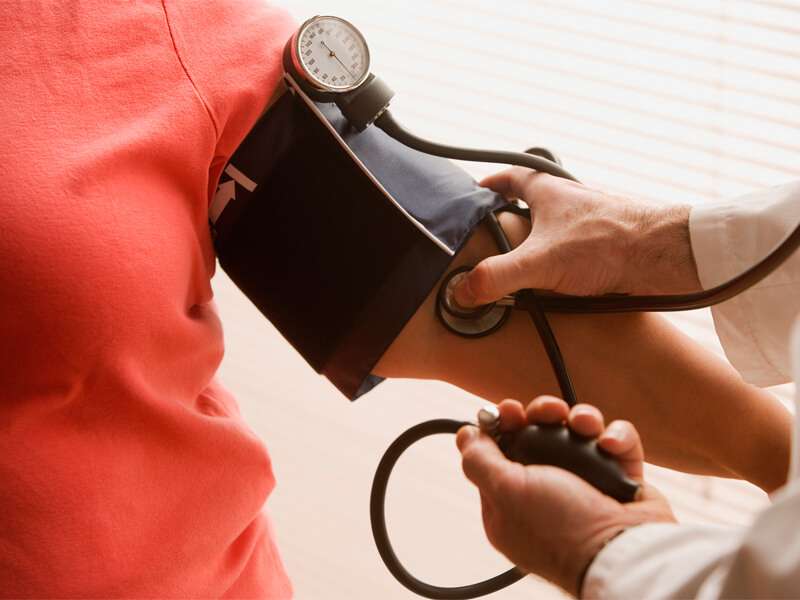
High blood pressure, or hypertension, is a common condition that can lead to serious health complications if left untreated. It often presents without symptoms, making regular monitoring essential for early detection.
- Causes and symptoms: Often asymptomatic but can be caused by genetics, poor diet, obesity, and stress.
- Diagnosis: Requires multiple blood pressure readings taken at different times using a sphygmomanometer.
- Treatment: Includes lifestyle changes such as reduced salt intake, regular exercise, weight management, and possibly medications like ACE inhibitors or beta-blockers.
- Management: Ongoing monitoring and adherence to treatment plans are crucial to prevent complications.
- Expectations: With proper care, hypertension can be controlled effectively to reduce the risk of heart disease and stroke.
Regular check-ups play a vital role in maintaining normal blood pressure and preventing long-term harm.