
Dr Akhilesh Mishr
About Me
Dr Akhilesh Mishr
MBBS
General Physician
10 Years Experience
Biography
My Clinic
OPD Hours
| Monday | Morning | 10:00 AM | - | 02:00 PM |
| Evening | 06:00 PM | - | 09:00 PM | |
| Tuesday | Morning | 10:00 AM | - | 02:00 PM |
| Evening | 06:00 PM | - | 09:00 PM | |
| Wednesday | Morning | 10:00 AM | - | 02:00 PM |
| Evening | 06:00 PM | - | 09:00 PM | |
| Thursday | Morning | 10:00 AM | - | 02:00 PM |
| Evening | 06:00 PM | - | 09:00 PM | |
| Friday | Morning | 10:00 AM | - | 02:00 PM |
| Evening | 06:00 PM | - | 09:00 PM | |
| Saturday | Morning | 10:00 AM | - | 02:00 PM |
| Evening | 06:00 PM | - | 09:00 PM | |
| Sunday | Morning | 10:00 AM | - | 02:00 PM |
| Evening | 06:00 PM | - | 09:00 PM |
Treatments
Specialised care and treatments offered
ROUTINE HEALTH CHECK-UP
A routine health check-up is essential preventive care that evaluates overall wellness status allowing early detection of silent diseases before symptoms appear prominently. This proactive approach helps maintain long-term health stability.
- Components included : Physical examination , basic blood tests , urine analysis , ECG screening based on age / risk factors .
- Purpose : Detect chronic illnesses like diabetes , hypertension , cholesterol abnormalities timely .
- Benefits : Informed lifestyle advice given post-evaluation encourages healthier habits reducing future disease risks .
- Frequency recommendations : Annual checks suggested especially after age 30 or if there’s a family history warranting closer observation .
Regularly scheduled comprehensive check-ups empower individuals with knowledge about their health encouraging timely medical intervention when necessary .
THYROID FUNCTION TESTING

The thyroid gland regulates metabolism through hormone secretion. Abnormal thyroid activity manifests with varied systemic symptoms requiring careful investigation for proper management.
- Suspicious features: Weight fluctuations, temperature intolerance, fatigue may indicate hypo- or hyperthyroidism respectively.
- Labs used for diagnosis:TFTs measuring TSH, T3 and T4 hormones reveal gland functionality status accurately helping differentiate types of disorders.
- Treatment implications : Medication such as levothyroxine for hypothyroidism or antithyroid drugs in hyperthyroidism address hormone imbalances effectively .
- Monitoring : Periodic retesting ensures dosage adequacy minimizing side effects while restoring normal physiology .
Timely thyroid function evaluation supports early intervention improving patients’ quality of life by correcting hormonal disturbances safely .
ANEMIA DIAGNOSTIC WORKUP

Anemia results from insufficient red blood cells or hemoglobin affecting oxygen transport throughout the body. Identifying the underlying cause is key to successful treatment outcomes.
- Syndrome clues: Fatigue, pallor, dizziness often accompany anemia regardless of its origin.
- Investigations employed: Complete blood count (CBC), peripheral smear examination, iron studies help determine type and cause of anemia.
- Therapeutic strategies: Iron supplementation for deficiency anemia; treating chronic diseases or vitamin deficiencies depending on diagnosis are typical interventions.
- Mild versus severe cases: Severity guides urgency—severe anemia may necessitate transfusions while mild forms respond well to outpatient care.
A systematic diagnostic approach clarifies etiology facilitating targeted therapy which effectively restores healthy blood parameters over time.
CHRONIC OBSTRUCTIVE PULMONARY DISEASE (COPD) EVALUATION
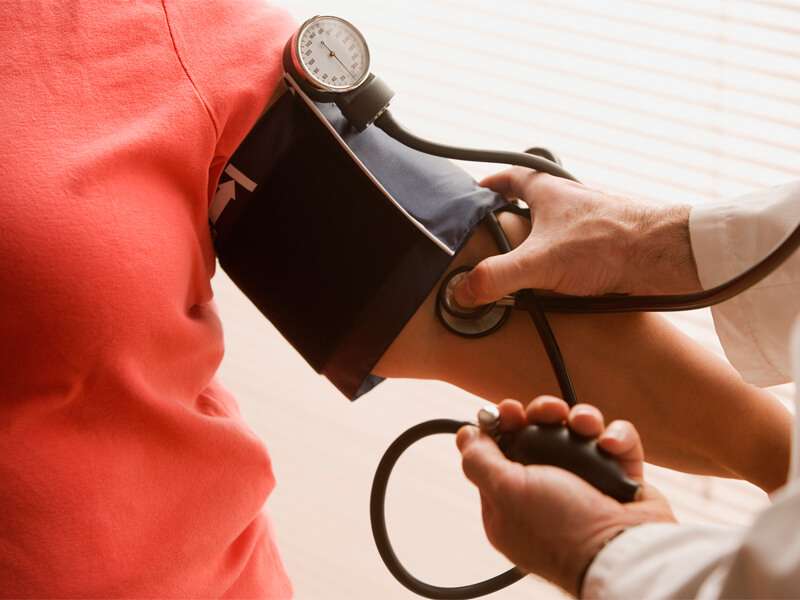
COPD encompasses progressive lung diseases causing airflow limitation primarily due to smoking or environmental exposures. Early evaluation aids symptom control and quality of life enhancement.
- Clinical signs: Persistent cough, shortness of breath especially during exertion, sputum production indicative of airway obstruction.
- Diagnostic methods: Spirometry tests measuring lung function are central; chest X-rays may supplement diagnosis.
- Treatment modalities: Smoking cessation support, bronchodilators inhalers, pulmonary rehabilitation programs are mainstays of management.
- Disease course insights: COPD is chronic with periodic exacerbations requiring prompt medical attention to avoid hospitalizations.
A comprehensive evaluation enables personalized treatment planning which can slow disease progression and improve respiratory symptoms effectively over time.
DIABETES MELLITUS SCREENING AND CONTROL

Diabetes mellitus is a metabolic disorder characterized by elevated blood glucose levels due to insulin issues. Early detection aids in preventing serious complications.
- Risk factors and symptoms: Increased thirst, frequent urination, fatigue; risk heightened by obesity, family history, sedentary lifestyle.
- Diagnostic testing: Fasting plasma glucose test, HbA1c levels, oral glucose tolerance test provide confirmation of diagnosis.
- Treatment approaches: Blood sugar control via diet management, oral hypoglycemics or insulin therapy depending on severity.
- Lifestyle considerations: Regular exercise and weight management help improve insulin sensitivity and reduce disease progression.
A proactive approach combining screening and tailored treatment plans is crucial for effective diabetes management and prevention of chronic complications.
HYPERTENSION MANAGEMENT

High blood pressure is a common condition that can significantly affect long-term cardiovascular health if left unmanaged. It often develops unnoticed but requires consistent monitoring and care.
- Symptoms and causes: Often symptomless, hypertension can arise due to genetic factors, lifestyle choices, and other medical conditions.
- Diagnosis: Regular blood pressure readings using sphygmomanometers; ambulatory monitoring might be needed for accurate assessment.
- Treatment options: Lifestyle modifications including diet and exercise, pharmacological therapy such as ACE inhibitors or beta-blockers.
- Management expectations: Continual follow-ups to adjust medications and monitor organ function are essential to prevent complications like stroke or heart attack.
Maintaining controlled blood pressure through therapeutic strategies significantly reduces risk of severe cardiovascular events and promotes overall wellbeing.