
Dr Akhil Prakash
About Me
Dr Akhil Prakash
MBBS
General Physician
10 Years Experience
Biography
My Clinic
OPD Hours
| Monday | Morning | 10:00 AM | - | 02:00 PM |
| Evening | 06:00 PM | - | 09:00 PM | |
| Tuesday | Morning | 10:00 AM | - | 02:00 PM |
| Evening | 06:00 PM | - | 09:00 PM | |
| Wednesday | Morning | 10:00 AM | - | 02:00 PM |
| Evening | 06:00 PM | - | 09:00 PM | |
| Thursday | Morning | 10:00 AM | - | 02:00 PM |
| Evening | 06:00 PM | - | 09:00 PM | |
| Friday | Morning | 10:00 AM | - | 02:00 PM |
| Evening | 06:00 PM | - | 09:00 PM | |
| Saturday | Morning | 10:00 AM | - | 02:00 PM |
| Evening | 06:00 PM | - | 09:00 PM | |
| Sunday | Morning | 10:00 AM | - | 02:00 PM |
| Evening | 06:00 PM | - | 09:00 PM |
Treatments
Specialised care and treatments offered
PREVENTIVE HEALTH CHECK-UPS
The importance of routine health assessments lies in early detection of potential problems before symptoms develop significantly. These screenings support overall wellness maintenance effectively across adult life stages.
THYROID DISORDER SCREENING

The thyroid gland influences metabolism through hormone production. Disorders can manifest variably but often require laboratory testing to confirm diagnosis accurately.
- Pertinent Symptoms & Causes: Weight changes, fatigue, mood swings may signal hypothyroidism or hyperthyroidism caused by autoimmune diseases or iodine imbalance among others.
- Efficacy of Diagnosis Procedures:
ANEMIA EVALUATION AND MANAGEMENT
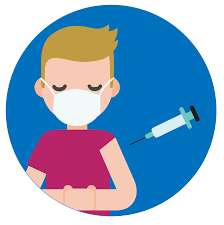
Anemia describes a decrease in red blood cells or hemoglobin resulting in reduced oxygen delivery throughout the body. Early recognition is crucial for effective treatment.
- Causative Factors & Symptoms: Fatigue, pallor, dizziness may arise due to iron deficiency, chronic disease, vitamin shortages or genetic disorders.
- Diagnostic Tools: Complete blood counts (CBC) along with iron studies help identify type and severity of anemia present.
- Treatment Strategies: Supplementation with iron/vitamins depending on etiology combined with addressing underlying diseases forms the backbone of therapy.
- Mild Cases & Follow-up: Many improve with diet adjustment alone; longer term monitoring ensures sustained recovery without relapse risk.
A personalized approach ensures restoration of adequate hemoglobin levels while improving quality of life steadily for patients affected by anemia.
ACUTE RESPIRATORY INFECTIONS CARE
Acutely developing respiratory infections frequently affect the throat, sinuses, or lungs and need timely evaluation for proper treatment.
- Symptoms and Causes: Coughing, sore throat, nasal congestion, fever often indicate viral or bacterial infections acquired through airborne droplets.
- Diagnosis Process: Clinical examination is supported by chest X-rays or lab tests when pneumonia or severe infection is suspected.
- Treatment Approaches: Symptomatic relief using rest, fluids, analgesics; antibiotics reserved for confirmed bacterial cases; supportive care for viral infections is standard practice.
- Patient Expectations: Most recover completely within days to weeks but monitoring is essential to identify worsening conditions promptly.
Caring for these infections includes preventing spread through hygiene measures alongside prescribed therapies.
TYPE 2 DIABETES MONITORING

Type 2 diabetes involves elevated blood sugar levels due to insulin resistance or deficiency, requiring careful oversight to minimize complications.
- Symptoms and Causes: Increased thirst, frequent urination, fatigue, and family history are common clues suggesting diabetes.
- Diagnosis: Blood tests like fasting glucose or HbA1c determine if glucose regulation is impaired.
- Treatment/Management: Diet modifications, regular physical activity, oral medications, and sometimes insulin injections help control blood sugar levels effectively.
- Complication Prevention: Regular screening for eye, nerve, kidney problems ensures early intervention if needed.
A comprehensive care plan aims to maintain balanced sugars while supporting overall wellness in affected patients.
HYPERTENSION MANAGEMENT
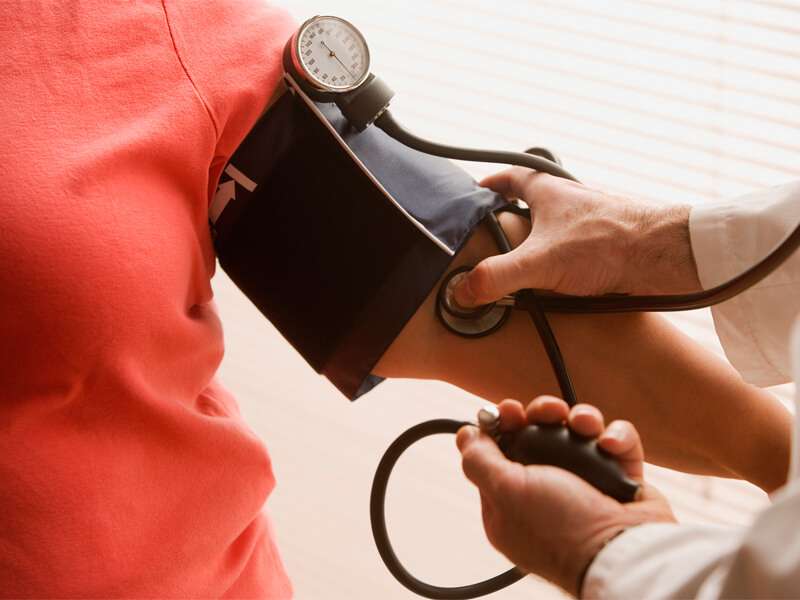
High blood pressure is a common health condition that requires ongoing attention to prevent complications.
- Symptoms and Causes: Often called the 'silent killer,' hypertension may have no symptoms but can result from genetics, lifestyle, or other medical conditions.
- Diagnosis: Regular blood pressure readings taken with a cuff during clinic visits help confirm consistent elevated levels.
- Treatment Options: Lifestyle changes such as diet and exercise alongside medications including diuretics or ACE inhibitors are typical.
- Monitoring: Patients should track their blood pressure regularly to assess treatment effectiveness and avoid risks like stroke or heart disease.
With appropriate management, individuals with high blood pressure can lead healthy lives and reduce long-term risks.